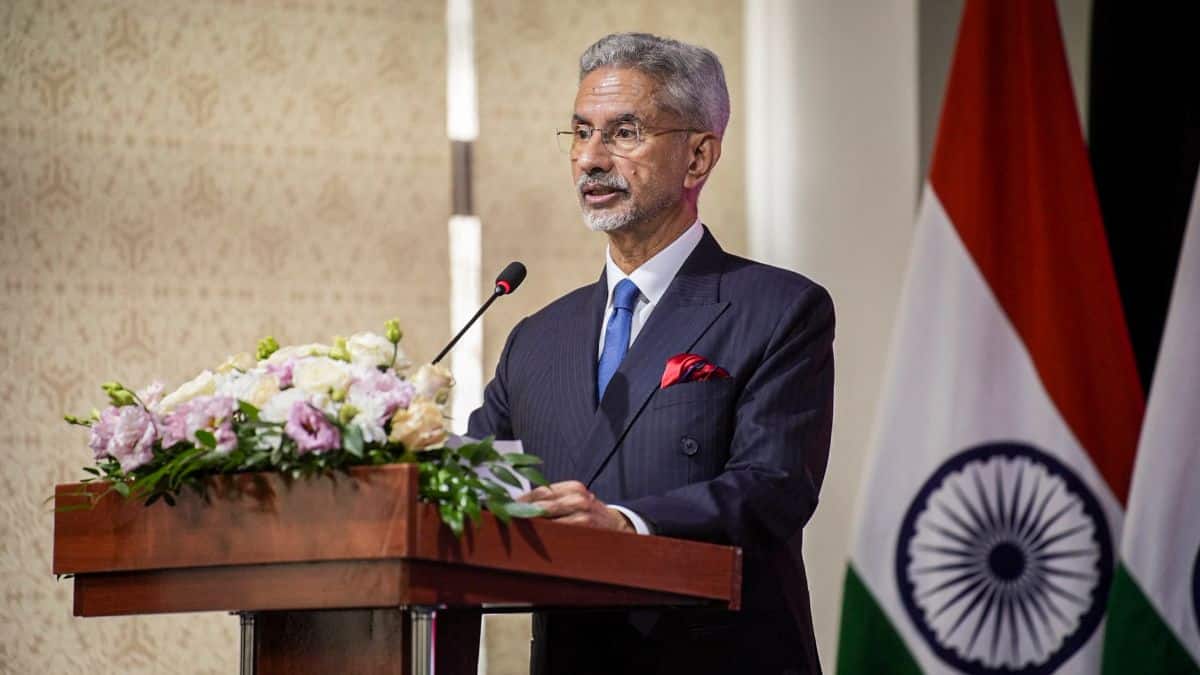
The headlines are predictable. They speak of "quiet diplomacy," "yielding results," and the steady hand of External Affairs Minister S. Jaishankar. The narrative is comforting: India is playing a sophisticated multi-vector game, whispering in Tehran’s ear to ensure the kitchen fires of Bihar and Bengaluru don't go out. It sounds like a masterclass in geopolitical balancing.
It is actually a symptom of systemic energy insecurity and a refusal to face the brutal math of the global energy transition.
When officials talk about "easing LPG pressure" through dialogue with Iran, they aren't describing a victory. They are describing a hostage situation. Calling it "quiet diplomacy" is just a polite way of saying we are desperate for a lifeline from a pariah state because our domestic infrastructure and alternative sourcing strategies are lagging behind the population's caloric needs.
The Myth of the Strategic Autonomy Win
The common consensus among the Delhi elite is that maintaining a backchannel with Iran is a triumph of "Strategic Autonomy." The logic goes that by refusing to fully bow to Western sanctions and keeping the LPG (Liquefied Petroleum Gas) flowing, India proves it isn't anyone's junior partner.
This is a hallucination.
True autonomy comes from redundancy and technological superiority, not from being the only major economy willing to haggle with a regime under constant threat of total blockade. We are patting ourselves on the back for managing to buy groceries from the one store that’s on fire, simply because the owner gives us a slight discount.
Dependence on Iranian LPG—even if mediated through third-party transfers or "quiet" arrangements—is a massive single-point-of-failure risk. Every time a drone flies over the Strait of Hormuz, the Indian economy catches a fever. We aren't "leveraging" a relationship; we are subsidizing our own anxiety.
The LPG Pipeline to Nowhere
India's obsession with LPG is itself a backward-looking policy. We have spent a decade celebrating the expansion of the Ujjwala scheme, which brought gas cylinders to millions of rural households. On paper, it’s a social miracle. In reality, it has tethered the Indian voter to global commodity fluctuations in a way that is politically explosive.
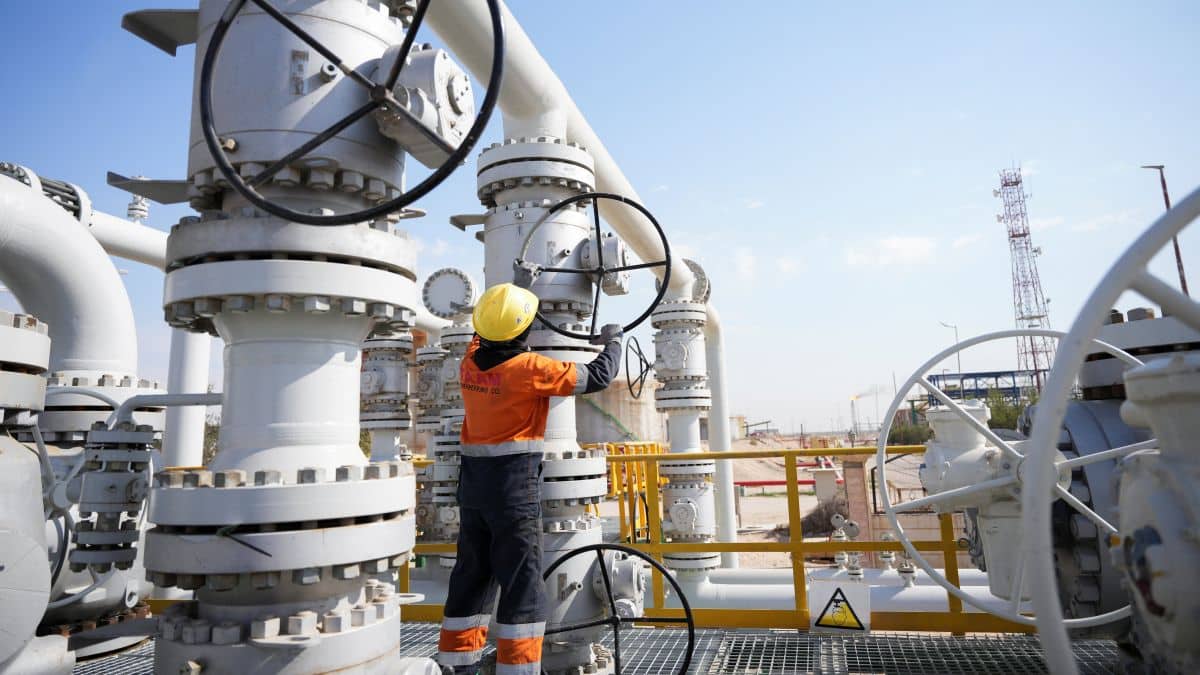
Because we have prioritized LPG—a byproduct of oil refining and natural gas processing—over a massive, aggressive push for electric cooking (e-cooking) powered by a decentralized solar grid, we have effectively built a giant straw that leads straight to the Middle East.
The "pressure" Jaishankar is trying to ease isn't just about supply; it’s about the price. When global LPG prices spike, the government has two choices: let the poor suffer or bleed the exchequer dry with subsidies. "Quiet diplomacy" is a desperate attempt to avoid both, but it doesn't solve the core problem: India is importing its inflation.
The Reality of the "Special Relationship"
Let’s dismantle the idea that Iran is a reliable partner. History shows that Tehran is a transactional actor—as they should be. They use the "India card" to signal to the West that they aren't isolated. When it suits them, they stall on the Farzad-B gas field. They dither on the Chabahar port project.
The "results" being yielded today are the bare minimum required to keep the relationship on life support. To frame this as a breakthrough is to ignore the decade of stalled projects and missed opportunities that preceded it. We are celebrating a trickle while the tap is still rusted shut.
If we were truly "sharp," we would recognize that every dollar spent securing Iranian LPG is a dollar not spent on the solid-state battery research or the green hydrogen infrastructure that would actually make us autonomous.
The Logistics of Illusion
The competitor's view suggests that diplomacy can overcome physics and economics. It can't. The cost of transporting LPG, the insurance premiums for shipping in contested waters, and the complex payment mechanisms required to bypass the dollar-denominated banking system create a "friction tax."
Even if you get the gas at a "friendship price," the landed cost is often higher than if we had just pivoted to more stable, albeit boring, long-term contracts with North American or Australian suppliers five years ago. But those contracts don't come with the romantic flair of "civilizational ties."
We are addicted to the drama of the Middle East because it masks the boredom of bad planning.
Why E-Cooking is the Real Geopolitics
The real "quiet diplomacy" should be happening between the Ministry of External Affairs and the Ministry of Power. If India moved 30% of its urban LPG demand to induction cooking powered by nuclear and renewables, the "pressure" from Iran would vanish.
Imagine a scenario where a spike in Persian Gulf tensions has zero impact on whether a family in Uttar Pradesh can cook dinner. That is what power looks like. Negotiating for a few extra tankers is what weakness looks like.
We have the world's largest renewable energy expansion program. We have a burgeoning electronics manufacturing sector. Yet, we are still begging for fossil fuel scraps from a country that is one geopolitical misstep away from a total blackout.
The Middleman Trap
A significant portion of this "quiet diplomacy" involves managing the middlemen. When you deal with sanctioned or semi-sanctioned entities, you aren't dealing with transparent markets. You are dealing with a shadow network of shippers, insurers, and banks.
This creates a massive "transparency deficit." I’ve seen how these deals work behind the scenes. The "discount" rarely reaches the end-user. It gets eaten up by the complexity of the trade itself. We are essentially paying a premium for the privilege of saying we have a "strategic" relationship.
Stop Managing the Crisis, End It
The advice usually given to the Indian government is to "diversify the basket." It’s the safest, most conventional, and most useless advice in the book. Diversifying your dependence just means you have more people to call when things go wrong.
The unconventional path—the one that actually secures India's future—is to stop viewing LPG as the destination. It’s a bridge fuel that we’ve decided to live on. We should be burning the bridge.
- Aggressive Induction Mandates: Every new urban apartment complex should be gas-free by 2027. No pipes, no cylinders.
- The Solar-Kitchen Link: Direct subsidies for solar-plus-storage solutions specifically for rural cooking, bypassing the LPG supply chain entirely.
- Strategic Natural Gas Reserves: Not just for industry, but for the power sector to ensure we aren't dependent on the whims of a single region.
The current "diplomatic success" is a sedative. It makes us feel like the problem is being handled while the underlying structural weakness remains untouched. Every time we "succeed" in getting a concession from Tehran, we lose the incentive to innovate our way out of the trap.
The next time you hear a minister talk about the success of quiet diplomacy in the energy sector, ask yourself: why do we still need to whisper?
If we were actually strong, we wouldn't need to talk at all. We would just turn on the lights.
Stop celebrating the fact that we are good at managing a crisis. Start demanding that we become a country that doesn't have the crisis in the first place. The LPG era is a chain around India's neck, and no amount of "quiet diplomacy" is going to turn that chain into a gold necklace.
Break the link. Forget the "special relationship." Build the grid.