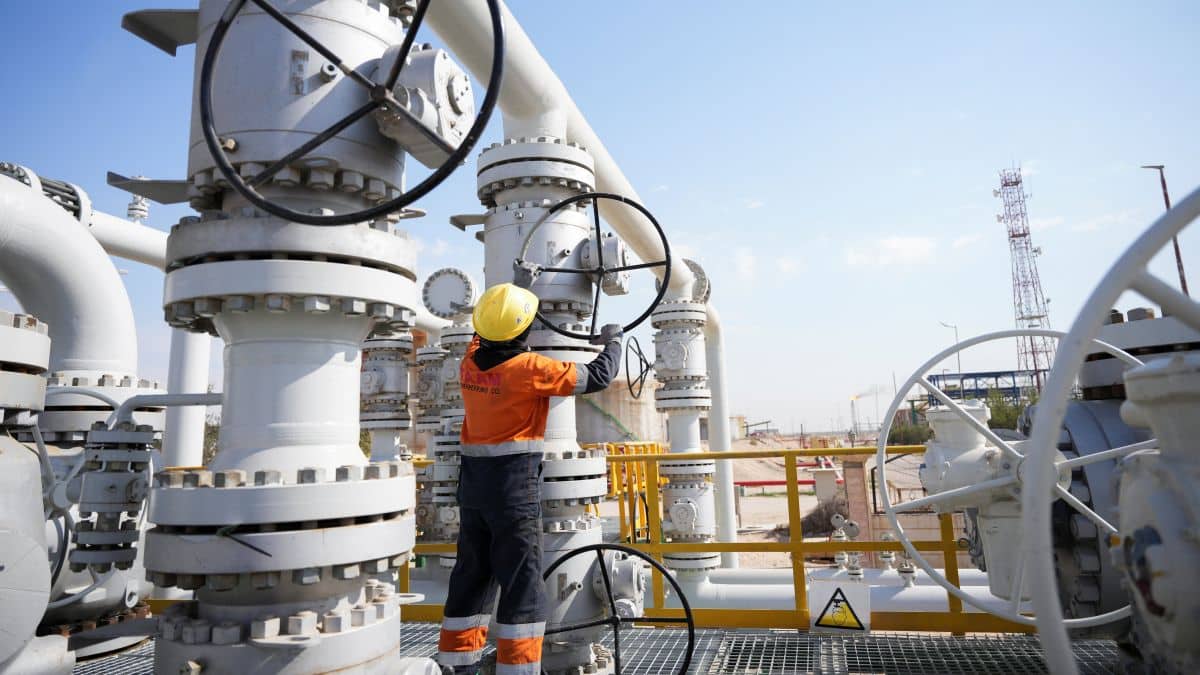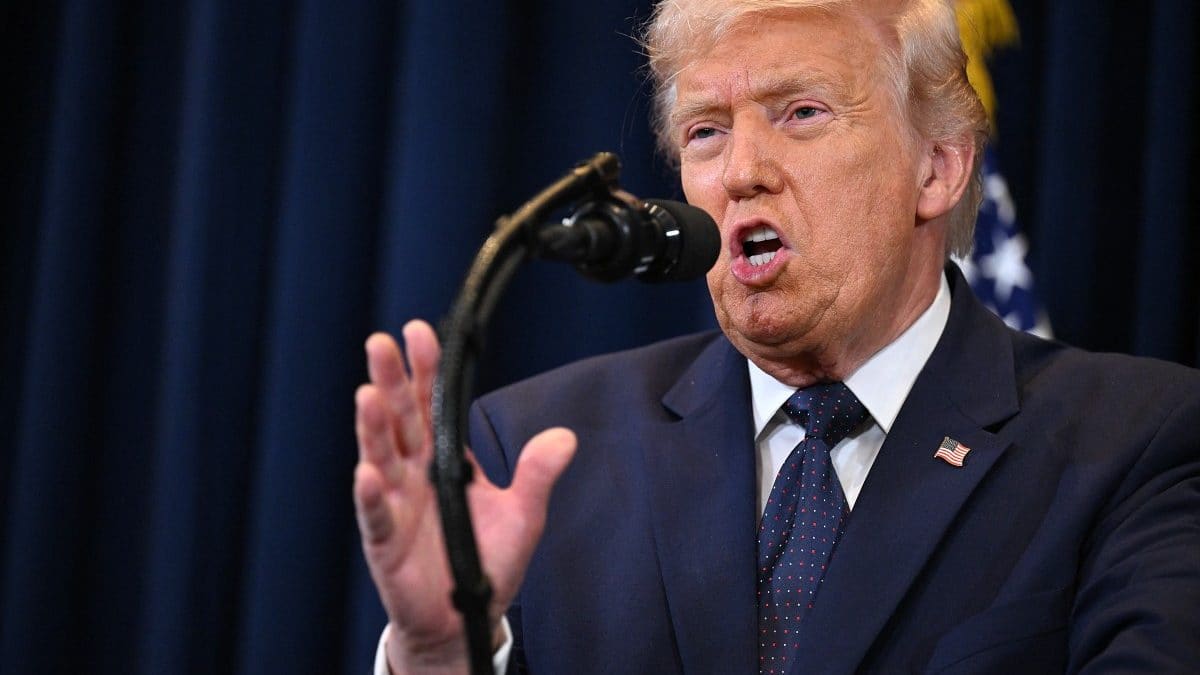
The global energy market is currently held hostage by a 21-mile-wide strip of water, and the White House is betting that a "sovereign backstop" of warships and insurance credits can break the siege. President Donald Trump is preparing to formally announce an international coalition designed to escort commercial vessels through the Strait of Hormuz, a move that comes after two weeks of total maritime paralysis. The primary objective is to restart the flow of 20% of the world's oil and liquefied natural gas (LNG), which has been effectively frozen since the joint U.S.-Israeli strikes on Iran began on February 28, 2026.
While the administration frames this as a decisive restoration of order, the reality on the water is far more volatile. This is not just a military maneuver; it is a high-stakes financial gamble aimed at collapsing the skyrocketing insurance premiums that have made transit impossible for private companies.
The Insurance Wall and the $20 Billion Backstop
Even if the U.S. Navy clears every sea mine and sinks every IRGC fast-attack boat, the ships will not move unless the actuaries in London and New York give the green light. Since the conflict began, shipping insurance rates for the Strait have surged by 600%. For most commercial carriers, the cost of protection now outweighs the value of the cargo.
To bypass this, the Trump administration has activated a "sovereign backstop" through the U.S. International Development Finance Corporation (DFC). This $20 billion reinsurance facility is designed to assume the "first-loss" risks that private insurers are currently fleeing. By providing federal guarantees for Hull & Machinery and Cargo coverage, Washington is attempting to artificially lower the barrier to entry for tankers.
This move signals a radical shift in maritime finance. If successful, it could permanently migrate the center of global shipping insurance from the Lloyd’s of London markets to the DFC in Washington. However, the plan relies on a critical assumption: that the U.S. Navy can actually guarantee the safety of these vessels. If a federally insured tanker is sunk, the American taxpayer isn't just paying for the ship; they are paying for the precedent.
A Coalition of the Reluctant
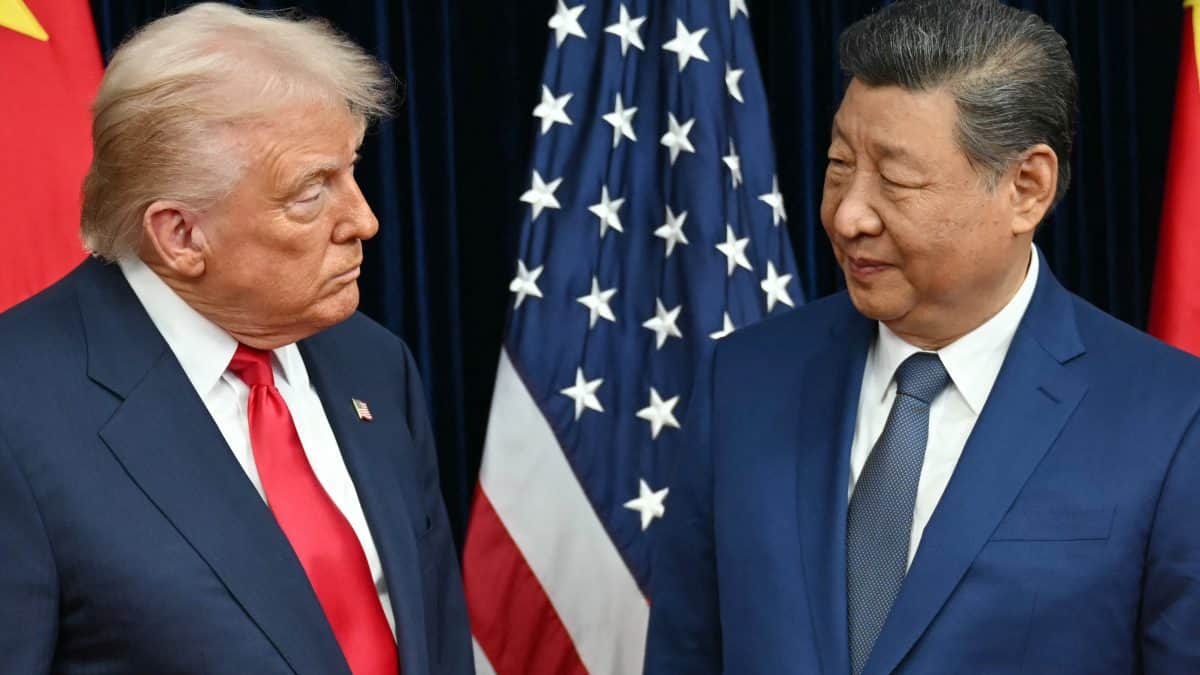
The President has publicly "demanded" that seven nations—specifically those most reliant on Persian Gulf energy—contribute warships to the effort. His logic is transactional: if China gets 90% of its oil from this passage, China should be the one policing it.
The response has been a mix of quiet compliance and overt hesitation.
- France and the G7: Paris has signaled a "purely defensive" escort mission under Operation Aspides, pledging a dozen ships to the wider region.
- China: While Energy Secretary Chris Wright expressed hope that Beijing would be a "constructive partner," the Chinese have traditionally preferred to negotiate safe passage directly with Tehran rather than join a U.S.-led military command.
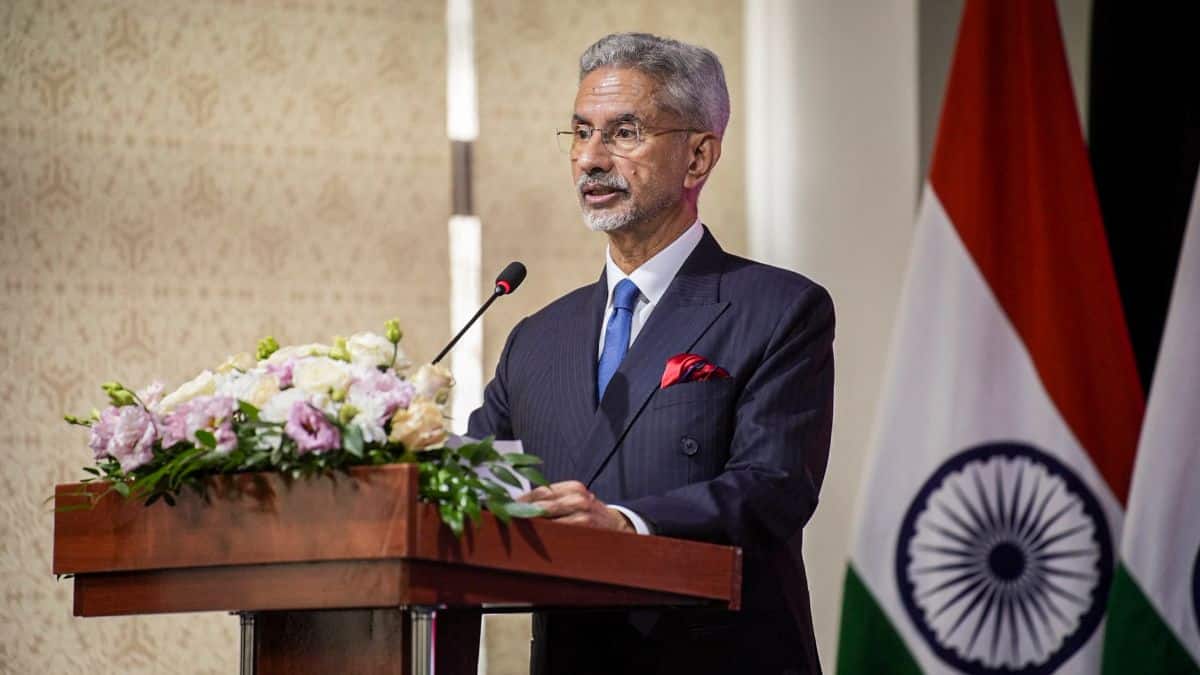
- India: New Delhi is already in direct talks with Iran to secure safe passage for its tankers, highlighting a fractured international response where countries are prioritizing bilateral deals over the American-led coalition.
The tension lies in the nature of the escort. A "defensive" escort involves ships traveling in a convoy with a destroyer. This makes them a massive, slow-moving target for the remaining Iranian ballistic missiles and drone swarms. Despite General Dan Caine’s reports that Iran’s missile volume is down 90%, the "fight back" mentioned by the President still includes sophisticated sea mines that are difficult to detect in the shallow, high-traffic waters of the Strait.
Decimation vs. Desperation
The administration's rhetoric emphasizes that Iran has been "essentially defeated." Military reports indicate that Iran’s air defense and missile manufacturing capabilities have been decimated. Yet, in maritime warfare, a defeated enemy is often the most dangerous.
Desperation has pushed the IRGC to use civilian ports as staging grounds for minelaying operations. U.S. Central Command (CENTCOM) recently warned that these ports have lost their protected status, effectively broadening the target list for future strikes. The tactical problem is that you do not need a high-tech navy to shut down the Strait. You only need enough mines to create a "risk-perception" blockade.
Currently, fewer than ten vessels a day are transiting the Strait, a 90% drop from the February average. Most of these are Iranian "dark fleet" tankers sneaking crude to China with transponders turned off. For the rest of the world, the waterway is a graveyard of abandoned ships and rising costs.
The High Cost of the "Fun" Strategy
The President’s recent comment about hitting Kharg Island "a few more times just for fun" masks a very serious economic reality. U.S. gas prices have risen by 70 cents per gallon in just fourteen days. The global price of Brent crude peaked at $126 per barrel, the highest since the 1970s energy crisis.
The coalition's success depends on more than just fire-power; it depends on timing. The DFC’s insurance facility is only a temporary fix for a systemic shock. If the escort missions do not begin by the end of March, the "short-term economic shock" feared by Republicans in Congress could turn into a permanent recessionary spiral.
Furthermore, the new 2026 National Defense Strategy (NDS) makes it clear that the U.S. is looking to shift the burden of regional security to its allies. By forcing other nations to protect "their own territory," as the President calls the international shipping lanes, Washington is attempting a fundamental rewrite of the global maritime security contract.
This is no longer just about stopping Iran. It is about whether the United States still wants to be the world’s unpaid security guard, or if it is ready to let the markets—and the warships of other nations—decide the price of safe passage.
The first convoy of the new coalition is expected to move within the week. Its arrival at the mouth of the Strait will determine if the $20 billion insurance gamble pays off, or if the "sovereign backstop" is merely a expensive seat for the largest energy disruption in human history.
The navy has the ships. The DFC has the money. Now, the world waits to see if the tankers have the courage to follow.