Imagine paying 95% of a multimillion-dollar bill, waiting eight years for your goods, and having the supplier pull the plug days before delivery. That's exactly what just happened to Malaysia.
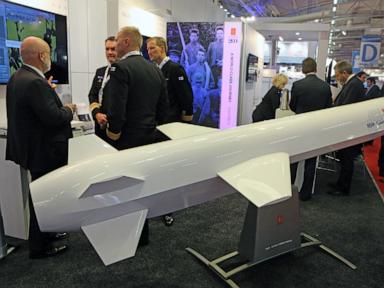
Norway threw a massive wrench into Southeast Asian defense planning by pulling the export licenses for its highly sought-after Naval Strike Missile (NSM) system. Built by Kongsberg Defence & Aerospace, these anti-ship weapons were the centerpiece of Malaysia’s long-delayed Maharaja Lela-class Littoral Combat Ship (LCS) modernization program.
Malaysian Prime Minister Anwar Ibrahim didn't hold back. He called the decision unilateral and unacceptable during a tense phone call with Norwegian Prime Minister Jonas Gahr Støre. Anwar publicly vented that signed contracts are solemn instruments, not confetti to be scattered capriciously.
But Norway is digging its heels in. Oslo defends the move under the guise of tightened national security and stricter export controls. The real takeaway here goes far beyond a single broken contract. It exposes a harsh reality that non-NATO countries can no longer ignore: buying Western weapons means your national security is always at the mercy of foreign political winds.
The 145 Million Dollar Deal That Turned into Paper Confetti
Malaysia originally signed the €124 million ($145 million) contract back in April 2018. The plan was simple. Malaysia wanted 48 NSM anti-ship missiles to equip its six new littoral combat ships, built by Boustead Naval Shipyard based on a French design. Later in 2025, they tacked on another $11.19 million for launchers to upgrade two operational Lekiu-class frigates.
Malaysian Defense Minister Mohamed Khaled Nordin revealed that Kuala Lumpur had already paid nearly 95% of the total contract value. The shipments were supposed to arrive in early March 2026. Instead of getting world-class missiles, Malaysia got a last-minute door slammed in its face.
Norway’s Foreign Ministry claims it has revised its arms export rules, effectively limiting the distribution of sensitive tech like the NSM strictly to NATO members and close partner nations. Industry insiders whisper that the sudden block might also involve a U.S.-made gyroscope component used in the missile’s guidance system, triggering American export control triggers.
Kongsberg itself washed its hands of the mess, stating it simply complies with Norwegian government regulations. For Malaysia, it's a logistical nightmare.
The Devastating Ripple Effect on Malaysia's Navy
You don't just swap out a missile system like a dead battery. The entire geometry, weight distribution, and software integration of Malaysia’s Maharaja Lela-class frigates were designed specifically around the NSM. The ships use the SETIS combat management system, supplied by France’s Naval Group, which was carefully tuned to talk to the Norwegian missiles.
Pulling the NSM now throws a defense program that was already plagued by mismanagement and delays into total chaos. The LCS project started in 2011, saw its fleet cut from six ships to five to save cash, and recently pushed the delivery of its first vessel from August to December 2026. Now, those ships won't have their primary teeth.
Malaysia has to look at alternatives. They could pivot to the French Exocet MM40 Block 3C or look toward Turkey's Atmaca missile. But switching suppliers means starting procurement from scratch, redesigning deck mounts, rewriting combat software, and spending millions more. It puts the Royal Malaysian Navy's operational readiness in serious jeopardy at a time when South China Sea tensions are bubbling over.
The Growing Risk of Buying Western Defense Tech
This drama highlights a structural flaw in global arms procurement. When you buy hardware from Western suppliers, you aren't just buying a machine. You're buying a permanent dependency on that country's shifting foreign policy.
Western nations are aggressively tightening their export circles following the ongoing conflict in Ukraine and shifting geopolitical alliances. If you aren't in the inner circle, your contracts can be ripped up without warning.
Anwar Ibrahim raised a valid point that should make defense ministries across Asia, Africa, and South America sweat. If European defense suppliers reserve the right to renege without repercussion, their value as strategic partners disappears. Buying Western now means accepting the risk that a change of government in Oslo, Paris, or Washington could instantly cripple your navy.
How Non Aligned Nations Must Pivot Their Defense Strategy
If you're a defense planner in a non-aligned nation, you can't rely on traditional Western handshakes anymore. Relying on a single foreign source for critical kinetic capabilities is a fast track to getting stranded.
First, future contracts must include brutal financial penalty clauses for government-enforced cancellations. If a European state pulls an export license, they or the manufacturer should owe double the contract value in liquidated damages.
Second, non-aligned states need to diversify their weapon ecosystems immediately. Mixing European hulls with missile systems from countries like Turkey, South Korea, or domestic suppliers provides a vital buffer. Turkey’s defense industry, for instance, operates with far fewer political strings attached than NATO’s Scandinavian fringe.
Finally, Malaysia's immediate move should be a swift legal and diplomatic press. The government is already considering legal action to claw back its 95% payment. Kuala Lumpur needs to force Norway to the table to secure not just a refund, but full intellectual property and integration data compensation so they can pivot to an alternative missile system without wasting another eight years.
The sudden cancellation of the NSM deal proves that in the modern defense market, cash and signed contracts don't guarantee security. Sovereignty means nothing if your fleet's firepower can be turned off by a bureaucrat in Oslo. Non-NATO buyers need to stop overthinking traditional alliances, diversify their supply lines, and realize that true strategic autonomy is never bought on Western terms.