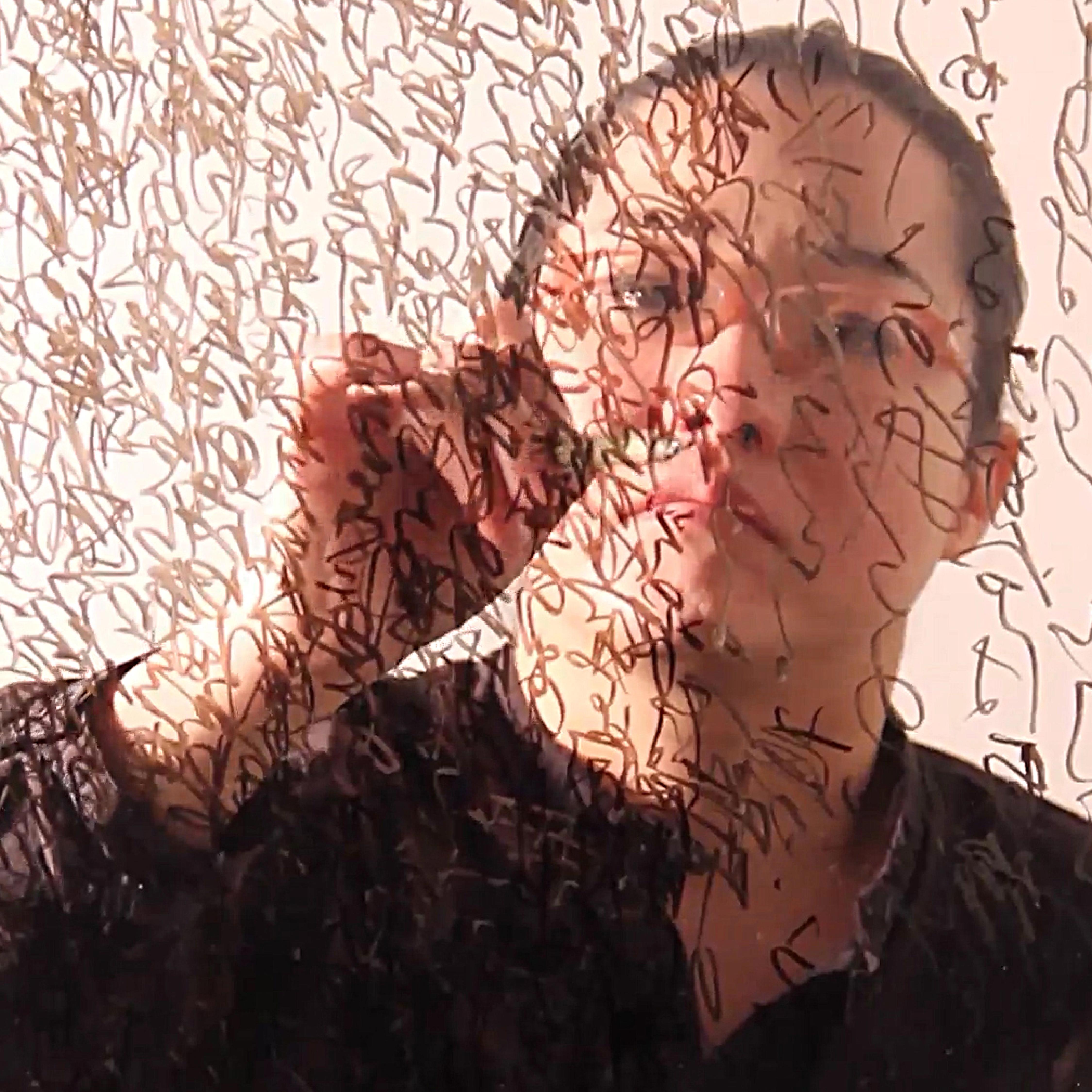
The air in the small suburban living room felt thick. It wasn't the humidity of a Virginia summer or the smell of damp coats. It was something else. Sarah sat on the edge of her floral-patterned sofa, clutching a lukewarm mug of coffee, staring at a corner of the ceiling where nothing in particular was happening. For three months, she had felt a persistent, unexplained dread. Her doctor called it stress. her yoga instructor called it a blocked chakra. But as she watched the shadows lengthen across the floorboards, Sarah felt as though she were being watched by something that didn't have eyes.
Most people dismiss these moments as overactive imagination or the byproduct of a late-night horror movie marathon. We live in an age of silicon and glass, where everything can be tracked by GPS and explained by a neurological firing of synapses. Yet, a new cinematic project from CBN is betting that millions of people like Sarah are looking for a different language to describe their internal storms.
The film isn't just a collection of jump scares. It is an exploration of a concept as old as humanity itself: the idea that our physical world is merely a thin veil over a much more complex, much more aggressive spiritual reality.
The Mechanics of the Invisible
Imagine a radio. If you tune it to 95.5, you hear jazz. Turn the dial a fraction, and you get heavy metal. Both signals exist in the same room, at the same time, passing through your body. You simply need the right receiver to hear them. This film posits that angels and demons aren't winged babies or red-skinned monsters with pitchforks. They are the signals we’ve forgotten how to tune into.
The production team spent months interviewing people who claim to have stepped behind the curtain. These aren't just fringe theorists. They are teachers, mechanics, and nurses. They describe a "spiritual warfare" that looks less like a Hollywood battle and more like a subtle tug-of-war over the human psyche.
One interviewee, a former skeptic, described the sensation of "oppression" not as a ghost in the closet, but as a sudden, localized gravity. He felt a weight on his chest that medical tests couldn't explain. When he began to view his struggle through a spiritual lens—treating his fear as an external intruder rather than a personal failing—the weight lifted.
This shift in perspective is the emotional core of the new film. It challenges the modern obsession with self-optimization. If the problem isn't just in your head, then the solution isn't just in a self-help book.
More Than Smoke and Mirrors
The film’s director didn't want to rely on the tired tropes of the genre. There are no spinning heads here. Instead, the cinematography focuses on the "glitches" in the everyday. A flickering light that persists after the bulb is changed. A sudden chill in a room with the heat turned up to 75 degrees. The feeling of being shoved when no one is standing behind you.
These details ground the supernatural in the mundane. By showing these occurrences in well-lit, ordinary kitchens and offices, the film strips away the safety of the "scary movie" distance. It forces the viewer to wonder if that unexplained sense of peace they felt during a crisis, or that sudden flash of rage that felt "unlike them," might have an external source.
Statistics suggest this resonates with a massive audience. According to recent surveys on religious beliefs, a significant majority of Americans still believe in the existence of angels and demons. Despite our technological advancement, the belief in an invisible world hasn't shrunk; it has simply moved underground, whispered about in private rather than debated in public.
The Geography of the Soul
The narrative takes us from the quiet streets of the American Midwest to ancient historical sites where the veil is said to be thin. It traces the history of "deliverance," a term that has seen a massive resurgence in search trends over the last five years.
Why now?
Perhaps it’s because we are more connected and more miserable than ever before. We have mastered the physical world, yet the "invisible stakes"—our sense of purpose, our mental clarity, our ability to love—seem to be slipping through our fingers. The film suggests that we are losing because we are fighting the wrong enemy with the wrong weapons.
Consider a soldier trying to stop a cyber-attack with a bayonet. He is brave, he is disciplined, but he is fundamentally ill-equipped for the medium of the conflict. The film argues that modern anxiety, addiction, and discord are the digital viruses of the soul. You can't fix a soul-virus with a physical pill alone.
The Cost of Acknowledgment
Admitting that there might be a spiritual dimension to our struggles is uncomfortable. It requires a level of vulnerability that most high-achievers find terrifying. If demons are real, it means we aren't fully in control. If angels are real, it means we are being looked after, but also that we are part of a much larger, much more dangerous story than our 9-to-5 schedules suggest.
Sarah, the woman on the sofa, eventually watched a screening of the film. She didn't have a miraculous, cinematic transformation. There were no flashes of light. But she did start to pray. She started to speak to the "thin air" in her room, asserting her right to peace.
Slowly, the thickness began to dissipate.
The film doesn't offer a tidy ending because the subject matter doesn't allow for one. Spiritual warfare, as described by the experts on screen, is a daily discipline. It’s the choice to believe that your life has a significance that echoes beyond the grave. It’s the decision to see the person who cut you off in traffic not as a villain, but as someone fighting their own invisible battle.
We are all walking through a forest at night. We can pretend the shadows are just trees, or we can admit that something is moving between the trunks. The film doesn't tell you what to be afraid of. It tells you that you aren't crazy for feeling the wind on the back of your neck when the windows are closed.
The credits roll, but the questions remain. They linger in the quiet walk to the car. They sit in the passenger seat on the drive home. They wait in the corner of the bedroom as you turn out the light.
The weight isn't gone. You're just finally aware of how much you've been carrying.