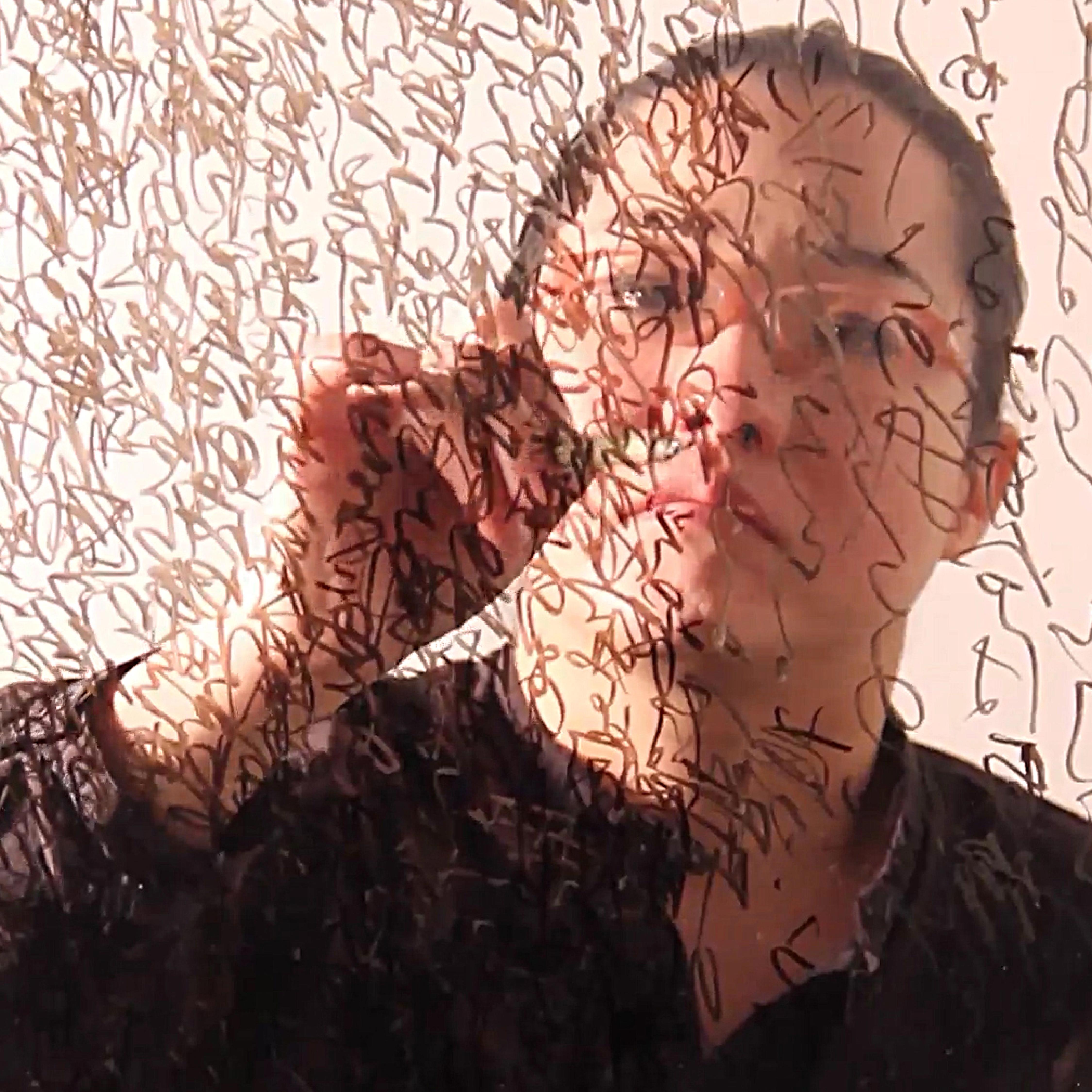
Asian American "assimilation horror" functions as a specific sub-genre of psychological thrillers where the primary antagonist is not a supernatural entity, but the structural friction between cultural heritage and the pressure of hyper-homogenous social integration. In films like Slanted, the narrative tension relies on the "uncanny valley" of racial performance—the point where an individual attempts to mirror the dominant white cultural aesthetic so perfectly that the resulting behavior becomes distorted, hollow, and ultimately terrifying.
The failure of many contemporary entries in this genre stems from a refusal to engage with the economic and sociological mechanisms of this displacement. When a film is described as "too timid," it is usually because it prioritizes aesthetic metaphors over a rigorous deconstruction of the power dynamics at play. To move beyond surface-level commentary, one must analyze the three distinct pillars that define the Asian American horror experience: the commodification of "model" behavior, the spatial isolation of the suburban panopticon, and the psychological cost of mimicry.
The Triad of Assimilation Friction
The horror in these narratives is generated by the breakdown of three specific social systems. When these systems fail to provide the promised rewards of safety and belonging, the protagonist enters a state of existential crisis.
1. The Performance of Model Meritocracy
The "Model Minority" myth functions as a social contract. The terms are simple: perform at a high level, maintain social invisibility, and adhere to the dominant culture’s values in exchange for proximity to power. Horror arises when the protagonist realizes the contract is unenforceable. In Slanted, the protagonist’s descent is catalyzed by the realization that no amount of professional or social optimization can bridge the gap between "honorary" status and genuine inclusion.
2. The Suburban Panopticon
Spatial geography is a critical variable. Assimilation horror almost exclusively utilizes the sterile, high-income suburb as its primary setting. This environment acts as a panopticon—a space where every deviation from the norm is observed and corrected. The horror is not that someone is watching, but that the protagonist begins to watch themselves through the eyes of their neighbors, leading to a fragmented self-identity.
3. The Biological Uncanny
The most visceral element of the genre is the physical manifestation of cultural erasure. This includes the surgical or behavioral modification of the self to fit an "American" (read: white) ideal. The horror stems from the biological rejection of these modifications. Whether through literal body horror or metaphorical "glitches" in social performance, the narrative captures the moment the suppressed identity violently reasserts itself.
The Cost Function of Mimicry
The psychological strain of assimilation can be quantified as a "cost function." Every act of social mirroring requires a high degree of cognitive load. In a stable environment, this load is manageable. However, when the environment becomes hostile or the rewards of assimilation are withheld, the individual experiences "Identity Debt."
- Cognitive Load: The energy required to suppress native linguistic patterns, cultural references, and emotional responses.
- Identity Debt: The cumulative psychological deficit caused by long-term suppression of the authentic self.
- The Break Point: The moment where the cost of maintaining the mask exceeds the individual's psychological resources, resulting in a "psychotic break" or supernatural manifestation within the film’s logic.
This cost function explains why many assimilation horror films feel "timid." They depict the symptoms of the stress without addressing the systemic weight of the debt. A robust analysis requires looking at the specific stressors—the micro-aggressions that act as incremental additions to the debt—and the macro-structures that enforce them.
Analyzing the "Something's Not White" Paradox
The central conflict in Slanted and its peers is the "Not Quite White" paradox. This is a state of permanent liminality. The protagonist is far enough from their heritage to lose their original community but is structurally barred from full integration into the white hegemony.
This creates a specific type of horror: the horror of the void. The protagonist has traded their original identity for a hollow shell that they are told is "valuable," only to find that the shell is empty. This is why these films often feature recurring motifs of masks, mirrors, and doubles. The double is not an external threat; it is the version of the self that successfully assimilated, mocking the version that failed.
The "whiteness" being chased in these films is not a biological reality but a set of exclusionary social permissions. The horror is the realization that these permissions are granted arbitrarily and can be revoked at any time. This creates a state of perpetual hyper-vigilance, which is the baseline emotional state of the assimilation horror protagonist.
The Structural Failure of the "Timid" Narrative
A narrative becomes timid when it focuses on the feeling of being an outsider rather than the mechanisms of exclusion. To elevate the genre, filmmakers and critics must look at the specific bottlenecks in the assimilation process:
- The Language Barrier of the Soul: The loss of native tongue is often used as a shorthand for loss of culture, but the real horror lies in the inability to express one's internal reality using the "approved" vocabulary of the new culture.
- The Consumption of Heritage: Dominant cultures often "invite" outsiders in by consuming their food, art, and aesthetics while still excluding the people. The horror here is the protagonist watching their own culture being sterilized and sold back to them.
- The Fetishization of the Other: In many horror scenarios, the "villain" is not a hater, but a "lover" of the protagonist’s culture who seeks to possess it. This creates a terrifying inversion of the assimilation goal: the protagonist is targeted not because they are different, but because their difference has been assigned a market value.
Strategic Framework for Future Genre Development
To move the genre forward, the focus must shift from "wanting to belong" to "surviving the cost of belonging." The narrative should not end with the protagonist realizing they will never be white; it should begin there.
- Operationalize the Ghost: Supernatural elements should represent the "Identity Debt" coming due. The "ghost" is the discarded parts of the self—the language, the ancestors, the "un-American" emotions—demanding to be heard.
- Subvert the Hero’s Journey: In assimilation horror, the traditional "call to adventure" is usually a promotion, a new house, or a marriage into a white family. The "trials" are the acts of betrayal the protagonist must commit against their own community. The "return" is not a return to home, but a realization that "home" no longer exists.
- Quantify the Antagonist: The antagonist should be represented by institutions (HR departments, neighborhood associations, elite schools) rather than single "bad" individuals. This makes the threat systemic and inescapable, which increases the psychological stakes.
The current stagnation in Asian American horror is a result of playing it safe within the boundaries of "relatability." True horror is not relatable; it is a clinical exposure of the things we pretend do not exist. In the case of assimilation, that "thing" is the fact that the American Dream often requires a psychic lobotomy.
The strategic play for creators is to lean into the "Uncanny Valley of Race." Stop trying to make the audience empathize with the protagonist’s desire to fit in. Instead, make the audience feel the visceral wrongness of the protagonist’s transformation. Force the viewer to witness the surgical precision with which a culture is disassembled and replaced by a generic, "market-ready" substitute. Only by exposing the grisly details of the assimilation machine can the genre achieve its full potential as a tool for social and psychological deconstruction.