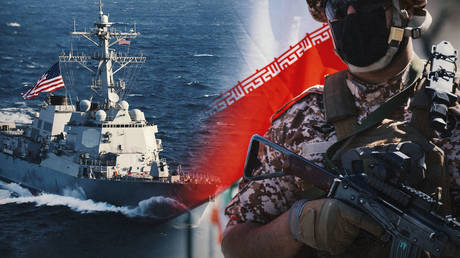
Tensions in the Strait of Hormuz aren't just about oil prices anymore; they've devolved into a high-stakes psychological war. Recently, Tehran has taken to social media and state airwaves to mock President Trump, claiming he's "begging" for international help to secure oil shipments. This isn't just typical regime bluster. It's a calculated move to exploit the friction between Washington and its allies.
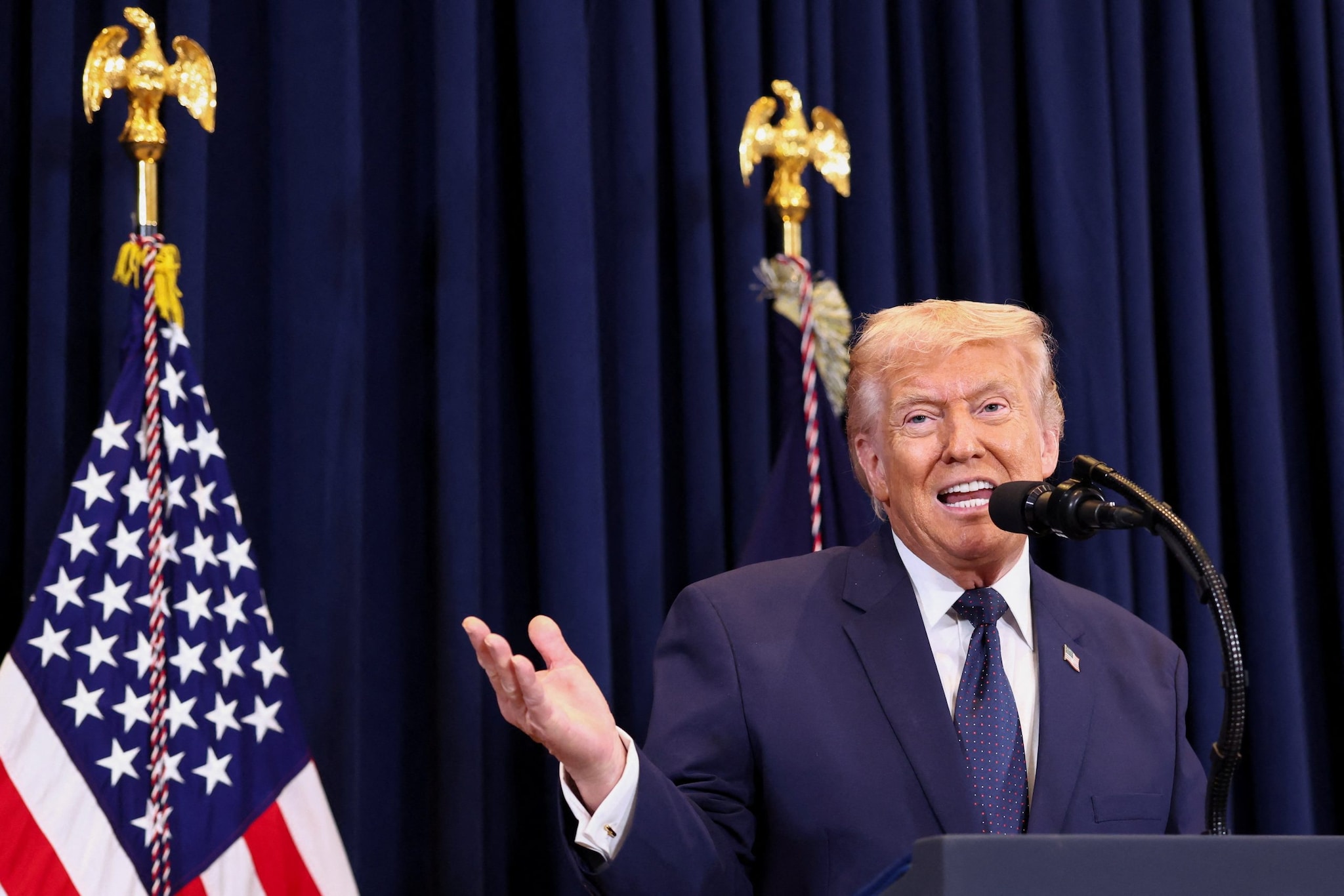
If you're wondering why a global superpower is being called a "beggar" by a sanctioned nation, you've got to look at the cracks in the maritime coalition. Trump has been vocal on Truth Social, demanding that countries like China, Japan, and South Korea send their own warships to patrol the Persian Gulf. To Tehran, this looks like a sign of weakness. To the White House, it’s a demand for "burden sharing." But in the middle of a literal war, the optics are messy.
The Strategy Behind the Mockery
Tehran’s propaganda machine is currently running at full throttle. After recent U.S. and Israeli strikes on Iranian military installations—including the reported "obliteration" of sites on Kharg Island—the Iranian leadership needs a win. They can't win a direct symmetrical fight against the U.S. Navy, so they're fighting with memes, videos, and sharp-tongued diplomats.
Ali Larijani, a senior official in Iran’s security council, recently told Trump to "be careful not to be eliminated." That's not just a threat; it's a dismissal of American authority. The Iranian narrative is simple: Trump is desperate because his "maximum pressure" hasn't stopped Iran from harassing tankers, and now he needs the rest of the world to bail him out.
By framing American calls for a maritime coalition as "begging," Tehran aims to:
- Alienate U.S. Allies: They want to make it look like joining the U.S. is a fool's errand.
- Boost Domestic Morale: After the death of Supreme Leader Ali Khamenei and the rocky transition to his son, Mojtaba, the regime needs to look strong.
- Spike Oil Prices: Every time a headline mentions "instability" or "begging for security," the markets jitter.
Why the Strait of Hormuz is the Ultimate Leverage
You can’t overstate how vital this narrow stretch of water is. About 20% of the world's oil flows through here. If Iran even hints at closing it, gas prices at your local pump start climbing.
Trump's recent demand for tankers to "show some guts" and keep moving despite the threats shows his frustration. He’s claimed the U.S. has wiped out most of Iran’s launchers, but the "asymmetric" threat remains. You don't need a massive navy to cause chaos; you just need some "suicide" drones, a few limpet mines, and the guts to use them.
The Reality of "Operation Epic Fury"
The current conflict, dubbed Operation Epic Fury by some in the administration, has seen thousands of strikes against Iranian targets. Secretary of War Pete Hegseth noted that Iran's missile volume is down significantly. Yet, the "desperation" Tehran talks about refers to the U.S. trying to assemble a patchwork of navies to do a job the U.S. used to do alone.
Honestly, it’s a bit of a stalemate. The U.S. can bomb the shoreline "to hell," as Trump put it, but as long as one Iranian speedboat can drop a mine, the shipping insurance companies will stay terrified. That terror is what Tehran is banking on.
What Most People Get Wrong About the "Begging" Narrative
It’s easy to fall for the headline that the U.S. is "losing" because it’s asking for help. That’s a fundamental misunderstanding of modern geopolitics. Trump isn't asking for help because he can't do it; he's asking because he doesn't want to pay for it.
The U.S. has been the "policeman of the seas" for decades, often at its own expense. Trump’s "America First" approach basically says, "If you want your oil to arrive safely in Tokyo or Seoul, you need to send your own destroyers." It’s transactional. Tehran calls it begging; Trump calls it a bill that’s long overdue.
The Risks of a Multi-National Coalition
- Communication Gaps: Coordinating ships from five different countries in a combat zone is a nightmare.
- Escalation: If a South Korean ship gets hit, does that pull another nation into a hot war?
- Fragmented Authority: Who gives the order to fire when a "suspicious" Iranian dhow approaches?
The Mojtaba Factor
We also have to talk about the man now sitting in the big chair in Tehran: Mojtaba Khamenei. He’s younger, reportedly more radical, and far more comfortable with digital warfare than his father was. The mocking tone coming out of Tehran carries his signature. It’s aggressive, tech-savvy, and aimed directly at Trump’s perceived ego.
While the U.S. claims Mojtaba was injured in recent strikes, his "debut" as a leader involves doubling down on the Hormuz closure threat. He knows that as long as he holds the "oil screw," he has a seat at the table, even if his military is being decimated.
Moving Forward in the Gulf
Don't expect the mockery to stop. In fact, expect it to get louder as oil hits $120 a barrel. The U.S. is likely to continue its "escort" missions, but until a formal, robust coalition is actually on the water, the shipping industry will remain skeptical.
If you’re watching this play out, keep an eye on two things:
- The Strategic Petroleum Reserve: If Trump taps this, he’s worried about the election-year impact of gas prices.
- Back-channel Diplomacy: Turkey’s Foreign Minister suggested Tehran is open to quiet talks. The mockery might just be a loud "no" that actually means "maybe, for the right price."
The next few weeks are critical. If tankers don't "show some guts" soon, the economic fallout will be worse than the military one. Watch the insurance rates; they tell the truth that neither Tehran nor Washington will admit.