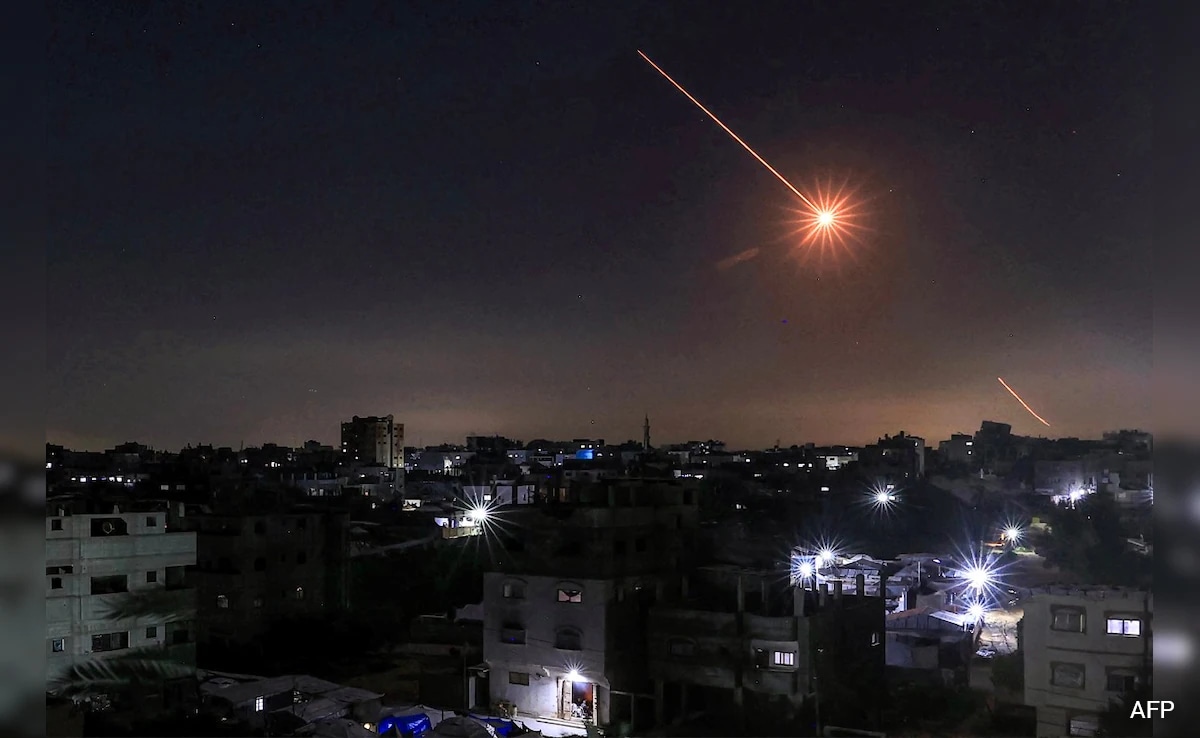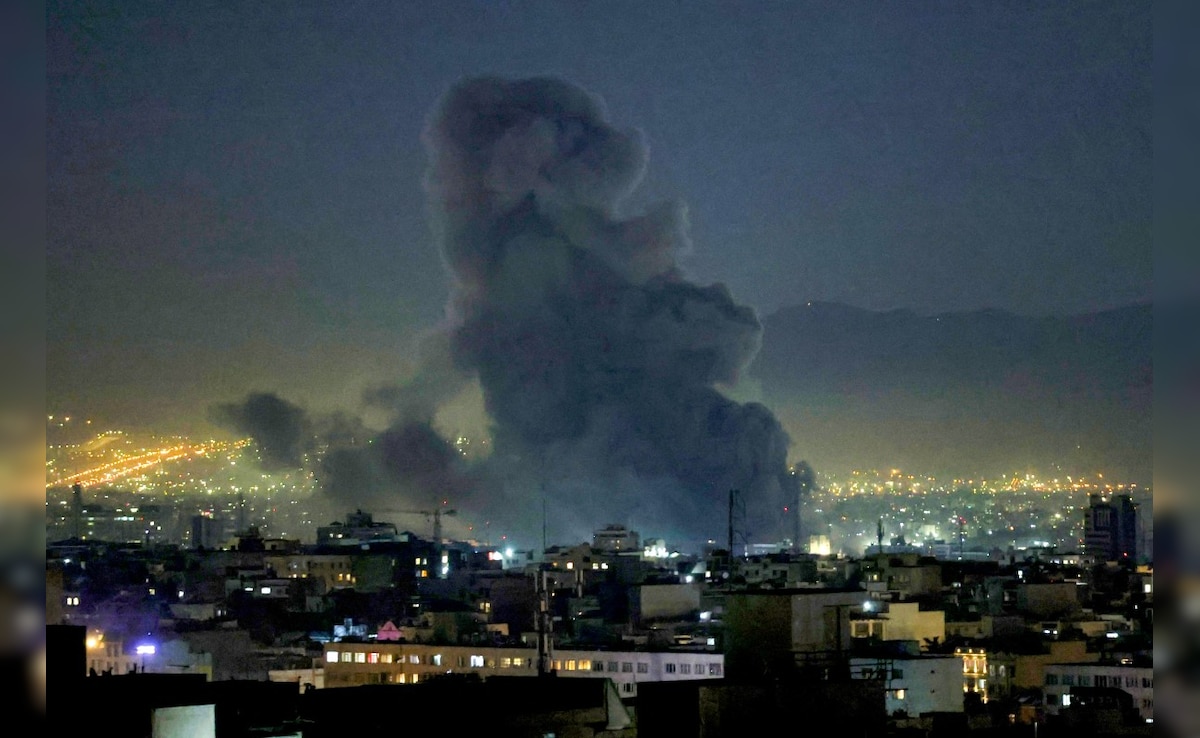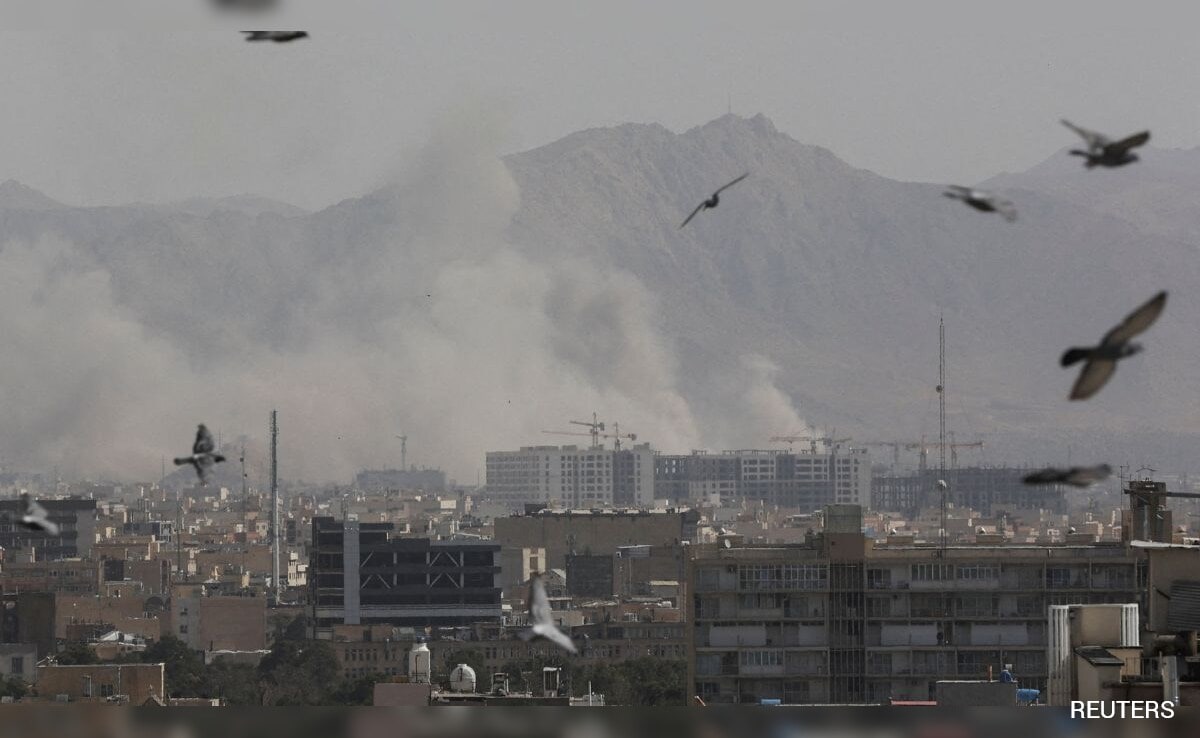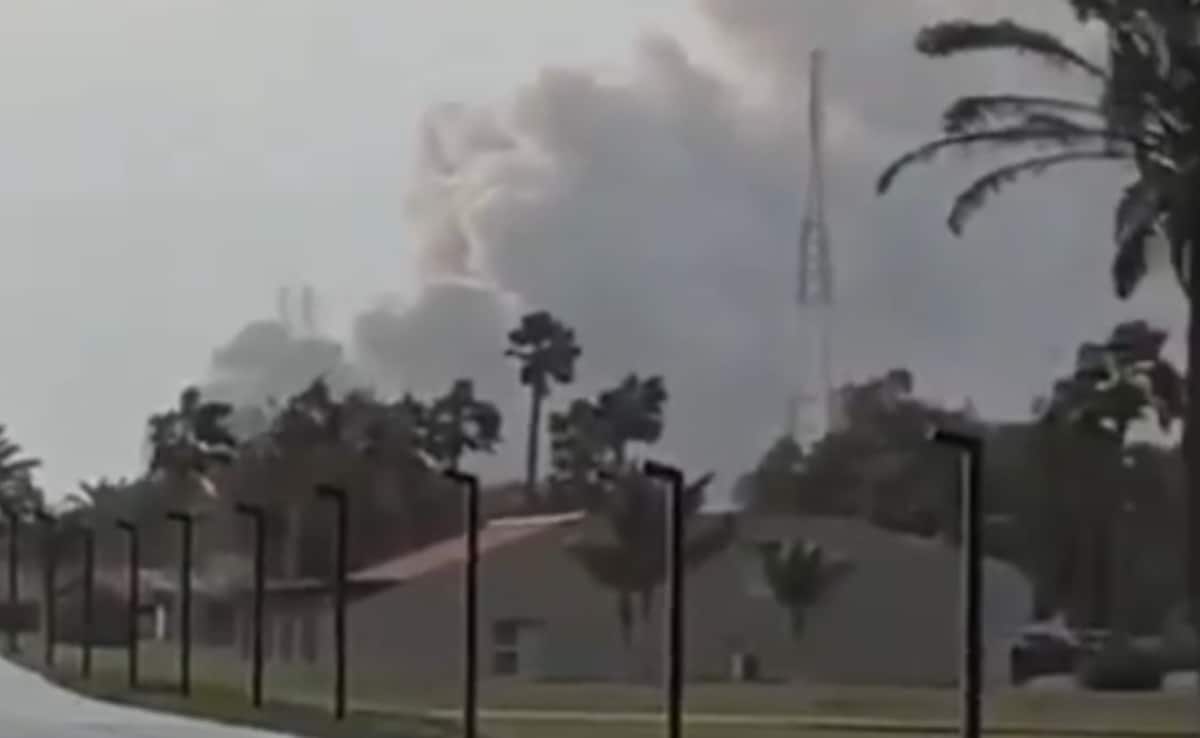
The smoke rising over the Ras Tanura refinery on Monday morning wasn't just another localized fire. It was a signal that the firewalls keeping the Gulf monarchies out of the direct line of fire have officially crumbled. While Saudi officials were quick to report that the damage from intercepted Iranian drones was "limited" and that domestic supplies are safe, the psychological and strategic damage is done.
You don't just "contain" a strike on the world's largest offshore oil loading facility. Ras Tanura is the heart of the Saudi energy machine, handling about 16% of the Kingdom's total refining capacity. When drones start falling there—even if they're intercepted—the "strategic patience" Riyadh has practiced for years hits a breaking point. We’re no longer talking about a shadow war. This is a regional conflagration that has finally dragged the biggest player in the neighborhood into the ring.
The Illusion of Neutrality is Dead
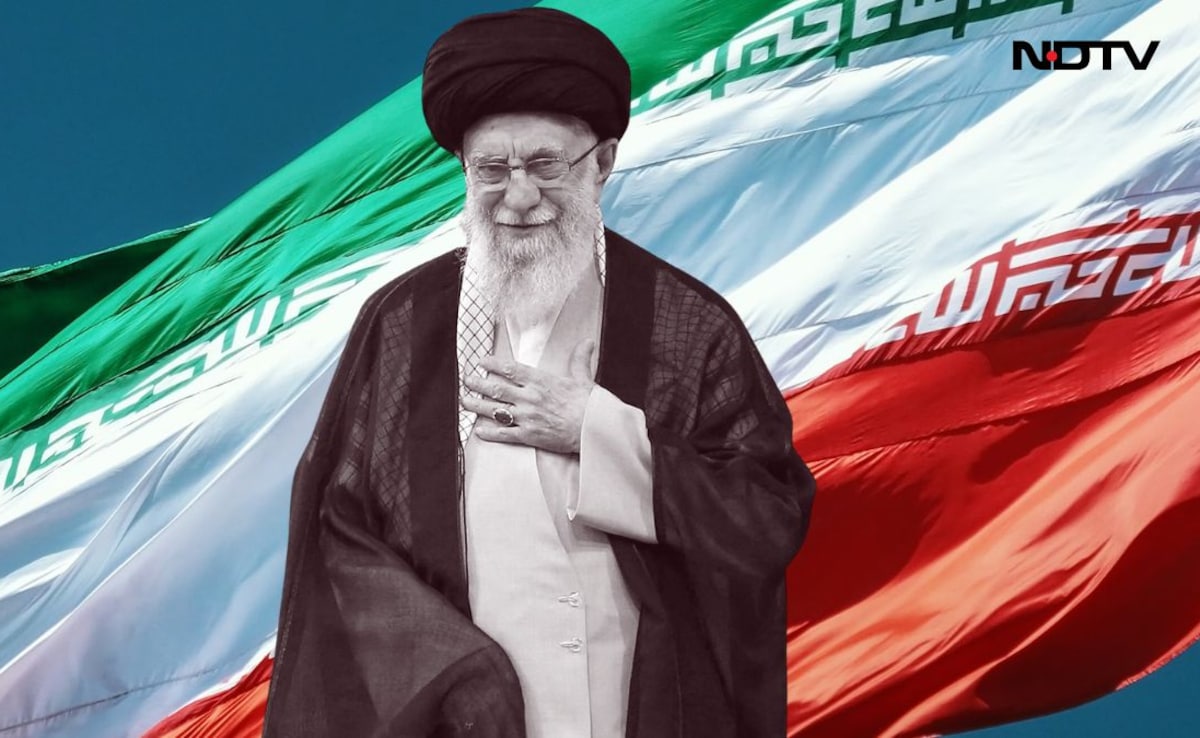
For the last 48 hours, Saudi Arabia tried to play it cool. Even as the US and Israel launched massive strikes against Tehran following the death of Ayatollah Ali Khamenei, Riyadh maintained a stance of cautious restraint. They didn't want this war. They've spent the last few years trying to diversify their economy through Vision 2030, and you can't build a global tourism hub if missiles are flying over your luxury resorts.
But Iran has made it clear: if they go down, they're taking the neighborhood's economy with them. By targeting Ras Tanura, along with energy sites in Qatar and the UAE, Tehran is proving that no amount of diplomatic "normalization" provides a shield when the missiles start flying.
The reality is that Saudi Arabia is now forced to choose. They can either continue to watch their infrastructure get picked apart by "retaliatory" strikes or they can fully commit to the US-Israeli coalition to end the threat once and for all. Honestly, the choice has already been made for them. You can't stay neutral when your primary source of income is under active bombardment.
Why Ras Tanura Matters More Than You Think
To understand the panic in the global markets—where Brent crude surged 13% to over $82 a barrel—you have to look at what Ras Tanura actually does. It’s not just a refinery; it’s a massive complex that includes a crude oil stabilization plant and two major export terminals.
- Refining Power: It processes 550,000 barrels per day.
- Export Hub: It handles the lion’s share of Saudi crude exports to Asia.
- Geopolitics: It sits right on the Persian Gulf, making it a sitting duck for drone swarms launched from across the water.
When Saudi Aramco shuts down a facility like this "as a precaution," it isn't just a safety drill. It’s a massive hit to the global supply chain. We’re already seeing Qatar halting LNG production and Iraqi Kurdistan stopping its pipeline exports to Turkey. The energy map of the world is shrinking by the hour, and Ras Tanura is the most vital piece of real estate on that map.
The Strategy of Economic Sabotage
Iran’s play here is obvious but effective. They know they can’t win a conventional high-tech war against the combined might of the US and Israel. Their only leverage is the global economy. By hitting the "lifeblood" of the Saudi economy, they're betting that the world will scream for a ceasefire before Tehran is completely dismantled.
It’s a desperate move. It’s also a move that backfires by turning former rivals into a unified front. By hitting Saudi, Bahrain, and the UAE, Iran has done what decades of diplomacy couldn't: it's created a de facto military alliance between the Gulf states and Israel.
The Failed Deterrence of Interceptions
The Saudi Defense Ministry confirmed they intercepted two drones. In the past, that would be considered a win. Today, it’s a failure of deterrence. If the drones are getting close enough for debris to cause fires at a facility as sensitive as Ras Tanura, the defensive perimeter isn't wide enough.
We’ve seen this before in 2019 with the Abqaiq-Khurais attacks. Back then, it took weeks for production to fully recover. The difference now is the context. In 2019, there wasn't a total war happening in the background. Now, there's no guarantee that the next wave won't be ten times larger.
What Happens to Your Wallet Next
If you're wondering why you should care about a refinery in the desert, look at the pump. The closure of the Strait of Hormuz is effectively in play. About 20% of global oil passes through that narrow choke point.
When you combine the "effective closure" of the Strait with the physical damage to refineries, you get a supply shock that no amount of OPEC+ output hikes can fix. Saudi Arabia and Russia already agreed to raise output by 206,000 barrels a day for April, but that’s a drop in the bucket compared to the 15 million barrels a day that could be blocked if the Gulf stays a combat zone.
Expect volatility to become the new baseline. We aren't just looking at $100 oil; we're looking at a fundamental re-evaluation of regional security. The "security umbrella" the US once promised the Gulf is being tested in a way it never has been.
The Shift in Riyadh's Military Stance
Keep an eye on the Saudi military's readiness levels. They've moved from "precautionary" to "active defense." This means we’re likely to see Saudi jets participating in the next wave of sorties over Iranian territory. Crown Prince Mohammed bin Salman and UAE President Sheikh Mohamed bin Zayed are in constant contact, and the rhetoric is shifting from "calling for restraint" to "reserving the right to defend."
Saudi Arabia isn't just being pulled into the war; they're being pushed into a leadership role they’ve spent years trying to avoid. They have the most to lose, which makes them the most dangerous player if they decide to go all-in.
If you're tracking this, look beyond the daily price fluctuations. Watch the movement of US carrier groups and the frequency of "precautionary" shutdowns in the Eastern Province. The next step for Riyadh isn't more diplomacy; it's a massive expansion of their air defense bubble, likely involving much deeper coordination with CENTCOM.
Check your local energy price forecasts and prepare for a long period of regional instability. The days of "business as usual" in the Gulf ended the moment those drone fragments hit the storage tanks at Ras Tanura.