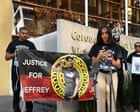
The courtroom is supposed to be where the truth comes out. But in the coronial inquest into the 2017 death of a 35-year-old Indigenous man in a Victoria police cell, the truth is hitting a wall. A very specific, legalistic wall. Several Victoria Police officers are now asking for protection against self-incrimination before they testify. They don't want their own words used against them in future criminal or disciplinary proceedings.
This isn't just a procedural hiccup. It's a massive blow to the family of the deceased, who have waited years to understand why their loved one died while under the care of the state. When the very people responsible for "serving and protecting" refuse to speak without a safety net, the system feels rigged.
We need to talk about why this happens and what it means for accountability in Australia.
The Right to Silence vs. The Right to Answers
The legal argument here is based on a well-established principle. No one should be forced to confess to a crime. In a standard criminal trial, you have the right to remain silent. But a coronial inquest isn't a criminal trial. It’s a fact-finding mission. Its sole purpose is to figure out how someone died and how to prevent it from happening again.
When police officers invoke the privilege against self-incrimination, they effectively stall that mission. In this specific case, the man was found unresponsive in a cell at a regional police station. The inquest is looking into the adequacy of checks, the medical response, and whether systemic failures contributed to his death. If the officers who were there that night won't speak freely, the family and the coroner are left with an incomplete picture.
It’s a classic conflict between individual legal rights and the public’s need for transparency. Honestly, it’s hard not to see it as a tactic to shield the force from scrutiny.
The Privilege Against Self-Incrimination Explained
In Victoria, the Coroners Act 2008 allows witnesses to refuse to answer questions if they believe the answer might incriminate them. However, there’s a workaround. The coroner can grant a "certificate" of protection. This means the witness must answer the question, but their testimony can’t be used against them in a criminal or civil case later on.
It sounds like a fair compromise, right? Not exactly.
The catch is that while the testimony itself is protected, the information gained can still lead investigators to other evidence. For a police officer, even a protected statement could trigger internal disciplinary action or damage their career. That’s why they fight so hard for these protections before they even take the stand.
The problem is that for the family, this legal maneuvering feels like a slap in the face. They aren't looking for a "gotcha" moment. They want to know if their son, brother, or father was treated like a human being in his final hours. When the police prioritize their own legal safety over the family's grief, the trust between the community and the law enforcement system erodes further.
Why Indigenous Deaths in Custody Still Happen
This case is part of a much larger, uglier pattern. Since the 1991 Royal Commission into Aboriginal Deaths in Custody, hundreds more Indigenous Australians have died while in the hands of the state. Many of these deaths involve failures in medical care, neglect, or unnecessary force.
One of the key recommendations of that 1991 commission was that police should only use arrest as a last resort. Decades later, Indigenous people are still disproportionately arrested and detained for minor offenses. This man was in custody for public drunkenness and an outstanding warrant. He should have been in a medical facility or at home. Instead, he ended up in a cell where things went horribly wrong.
The legal system often treats these deaths as isolated incidents. But when you look at the stats, they're clearly not. They’re the result of a system that frequently fails to recognize the humanity of Indigenous people.
The Problem with Internal Investigations
When a death in custody occurs, the initial investigation is often handled by other police officers. In Victoria, that usually means the Professional Standards Command. Critics argue this is basically "police investigating police." It's a system built on loyalty rather than transparency.
By the time a case reaches a coronial inquest, years have passed. Evidence has gone cold. Memories have faded. And then, the legal teams for the officers start filing motions for protection against self-incrimination. It's a multi-layered defense system that makes it incredibly difficult to hold anyone accountable.
The Impact on the Family and Community
Imagine waiting nine years for an answer. That's the reality for many families. During that time, they have to navigate a complex legal landscape, often without the same resources as the Victoria Police.
The emotional toll is exhausting. Every time a lawyer argues for a "certificate of protection," it sends a clear message to the family: "Our legal safety is more important than your closure." It’s a dynamic that reinforces the idea that the law isn't for everyone. It’s for those who know how to work the system.
In this case, the family’s legal representative has been vocal about the need for full transparency. They've argued that the public interest in a thorough investigation into a death in custody outweighs the individual rights of the officers involved.
Reforming the Inquest Process
It's time to admit the current system isn't working for the people it's meant to serve. If we want to stop Indigenous deaths in custody, we need to change how we investigate them.
First, we need truly independent oversight. The investigation into a death in custody should never be led by the same police force involved in the incident. We need an external body with the power to gather evidence and interview witnesses immediately after a death occurs.
Second, we need to rethink the "privilege against self-incrimination" in the context of public service. When you sign up to be a police officer, you're taking on a role of immense power and responsibility. That should come with an obligation to be fully transparent when things go wrong under your watch.
Moving Toward Real Accountability
Accountability isn't just about punishment. It's about systemic change. Every coronial inquest ends with a set of recommendations. These might include better training for officers, more frequent cell checks, or the presence of medical staff at all times.
But recommendations are just words on paper if they aren't followed. According to many advocacy groups, only a small fraction of coronial recommendations are ever actually implemented. This is where the real work needs to happen.
If we want to honor the lives lost, we have to demand more than just an inquest. We have to demand action. That means following through on the recommendations and holding the government accountable for the safety of everyone in its care.
The next time you hear about a police officer seeking legal protection before testifying in an inquest, don't just see it as a legal technicality. See it as a symptom of a system that's still struggling to find the courage to be honest.
If you're following this case, stay informed. Support organizations like the Victorian Aboriginal Legal Service (VALS) or the National Aboriginal and Torres Strait Islander Legal Services (NATSILS). They’re on the front lines fighting for the families who are being silenced by the legal system. Your voice matters in pushing for the legislative changes that would make independent investigations a reality. Don't let this story fade into the background.