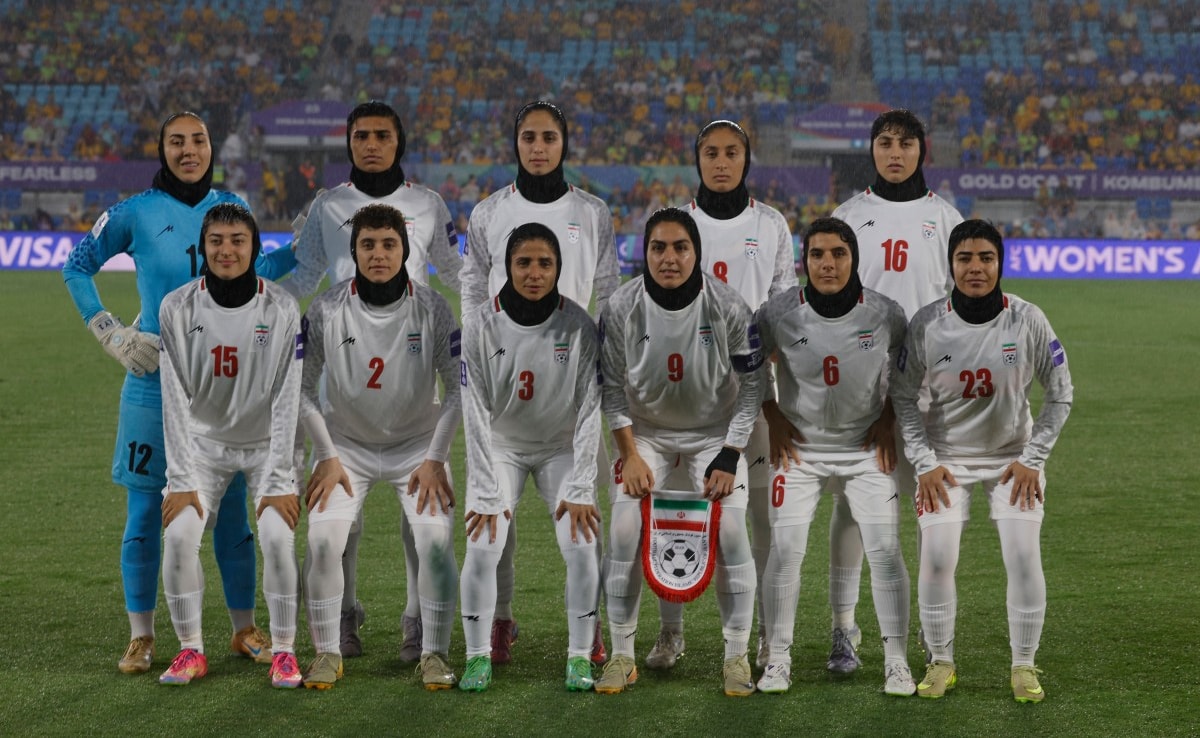
They left to save their lives. Now they're going back. It sounds like a contradiction, or maybe a tragedy, but the reality of the Iranian women’s national football team members who sought asylum in Australia is far more layered than a simple headline. Most people think seeking asylum is a one-way door. You leave, you struggle, you settle. But for these athletes, the door didn't just stay ajar; it became a weight they couldn't carry anymore.
When the news broke that members of the Iranian women’s football contingent were looking for protection in Australia following a tournament, it wasn't just a sports story. It was a political explosion. These women weren't just players; they were symbols of a massive cultural shift happening inside Iran. Yet, the news that some are now planning a return home—or have already started the process—has left many fans and human rights advocates stunned.
It’s not because things got better in Tehran. It’s because the cost of being a ghost in a foreign land is sometimes higher than the cost of being a rebel at home.
The Australian Dream That Turned Into a Limbo
Australia has a reputation for being a sporting paradise. For a professional footballer, it looks like the ultimate escape. High-performance facilities, a professional league (the A-League Women), and a culture that actually respects female athletes. But when you’re an asylum seeker, you don’t get the keys to the gym on day one.
You get paperwork. You get months of waiting. You get the crushing realization that without a proper visa, you can’t play professional sports.
I’ve seen this happen with athletes from various conflict zones. They arrive with nothing but a kit bag and a dream, only to find that the "system" doesn't care about their goal-scoring record. In Australia, the bridging visa system can be a black hole. You aren't allowed to work in some cases, or you're stuck in regional areas far from the elite clubs where you belong. For a player at the peak of her physical powers, six months of inactivity is a death sentence for a career.
These Iranian players found themselves in a unique kind of purgatory. They weren't just "refugees." They were elite competitors whose entire identities were tied to the pitch. When the pitch was taken away, what was left?
What the Media Missed About the Pressure from Tehran
Most reporting focuses on the "bravery" of the escape. That’s the easy part to write. What’s harder to track is the psychological warfare that starts the moment the plane lands in Sydney or Melbourne.
The Iranian government has a long memory. When an athlete "defects," the pressure doesn't just fall on the individual. It falls on the family back in Shiraz, Isfahan, or Tehran. We’re talking about late-night phone calls. We’re talking about parents losing jobs. We’re talking about subtle and not-so-subtle threats that their "treason" will be paid for by those they left behind.
It’s easy to say "stay and be free" when it's not your mother’s safety on the line. Some of these players realized that their presence in Australia was a constant source of danger for their relatives. Returning home isn't always a sign of defeat. Sometimes, it’s a calculated sacrifice. They are trading their personal freedom for the collective peace of their families.
The Quality of Life Math
Let’s be brutally honest. Being a top-tier athlete in Iran means you’re someone. You have status. You have a community. You have a league, even with all its ridiculous restrictions and mandatory headscarves.
In Australia, if you aren't picked up by a top club immediately, you’re just another person struggling with the cost-of-living crisis. You're working 12-hour shifts in a warehouse or driving Ubers to pay for a tiny apartment in a suburb where nobody knows your name. For some of these women, the "freedom" of the West felt remarkably like a different kind of prison—one made of isolation and poverty.
This isn't a knock on Australia. It’s just the truth about the refugee experience. The gap between the life of a national hero and the life of a struggling migrant is a canyon. Some of these players looked across that canyon and decided to walk back.
The Risk of the Return Trip
Going back to Iran after seeking asylum is not like returning from a holiday. You don't just clear customs and go get a kebab.
The Iranian football federation and the security apparatus usually require "guarantees." This often involves public apologies or scripted "confessions" that blame Western influence for their "mistake." It’s a humiliating process. There’s also no guarantee they’ll ever be allowed to play for the national team again. In fact, they might be banned from the sport entirely.
The Iranian authorities want to use these returning players as propaganda tools. "See? Life in the West is terrible. They came crawling back." It’s a win for the regime’s narrative. The players know this. They aren't stupid. They’re just exhausted.
Why This Matters for the Future of Asian Football
The Asian Football Confederation (AFC) and FIFA have been largely silent on this specific saga. That’s a failure. If FIFA truly believes in its "Football Unites the World" slogans, it needs to do more for players caught in geopolitical crossfires.
We need a faster track for elite athletes to maintain their fitness and careers while their asylum claims are processed. If these women could have been integrated into Australian clubs within weeks rather than months, the urge to return to a dangerous situation might have vanished.
The Reality of Women’s Sports in Iran Today
Despite the headlines, women’s football in Iran is growing. The talent is undeniable. But the players are walking a tightrope. They have to navigate the "Woman, Life, Freedom" movement while wearing the kit of a government that many of them internally oppose.
When you see them play, you aren't just watching a game. You’re watching a negotiation. Every goal is a statement of existence. Every win is a reminder that they can’t be erased.
For those returning, the goal now is survival. They will try to blend back in. They will try to find a way to play in the domestic league again. Some will succeed. Others will become cautionary tales.
Support the Players Still in Australia
If you actually care about the fate of these athletes, don't just read the news and move on. The players who chose to stay in Australia still need help. They need connections to local clubs. They need legal aid that understands the specific risks of Iranian dissidents.
Check out organizations like Human Rights Watch or local Australian refugee sports programs. They often have grassroots initiatives to help these players keep their boots on. Supporting a local club that sponsors a refugee player is a direct way to make sure the next person doesn't feel like their only option is to head back into the fire.
Keep an eye on the squad lists for the upcoming seasons. When you see a name you recognize from the Iranian national team, know that her being on that pitch is a miracle of bureaucracy and bravery. Don't let their stories fade just because the news cycle moved on to the next scandal. Real lives are being lived in the gaps between the articles.