Thousands of workers are walking off the line at major US meatpacking hubs, signaling a collapse in the fragile peace between industrial food giants and the labor force that keeps the nation fed. This is not a simple dispute over a few cents an hour. It is a fundamental rejection of a production model that has prioritized volume over human durability for three decades. If these plants stay dark for more than a week, the ripple effects will move from the slaughterhouse floor to the grocery aisle with a speed that will catch most consumers off guard. We are looking at a systemic fracture in the way America processes protein.
The Invisible Pressure Cooker Inside the Kill Floor
To understand why a strike of this magnitude is happening now, you have to look past the press releases. Meatpacking remains one of the most physically punishing jobs in the industrialized world. Workers stand shoulder-to-shoulder in damp, cold environments, performing repetitive motions thousands of times per shift. The "line speed"—the rate at which carcasses move past workers—is the central point of contention. Management wants it faster to offset rising grain and energy costs. Workers say they are already at a breaking point.
When the line moves too fast, safety protocols become suggestions rather than rules. The industry has spent years trying to automate these processes, but the biological reality of animal carcasses—each one a different size and shape—makes full automation nearly impossible with current technology. Humans are still the primary sensors and cutters. When those humans decide to stop, the entire multi-billion dollar machine grinds to a halt. There is no "Plan B" for a shuttered plant that processes 5% of the national beef supply daily.
Thin Margins and the Myth of the Efficient Market
The meatpacking industry is dominated by a handful of massive players. This concentration was supposed to create efficiency through scale. Instead, it created a series of single points of failure. The current strike highlights how lean the inventory levels actually are. Most plants operate on a "just-in-time" delivery system for live cattle and hogs. When workers walk out, ranchers have nowhere to send their animals. Within 48 hours, the backlog begins to hit the agricultural sector, forcing farmers to hold livestock they cannot afford to feed, which eventually drives up the price of the meat that does make it to market.
Investors often view labor as a variable cost that can be squeezed to protect dividends. This is a miscalculation of risk. The cost of a 10% wage increase is negligible compared to the cost of a total plant shutdown. Yet, corporate leadership often resists these increases because they fear setting a precedent across their entire domestic portfolio. They are playing a game of chicken with people who have nothing left to lose but their physical health.
The Demographic Shift Disrupting the Labor Pool
For decades, the meatpacking industry relied on a steady stream of immigrant labor, often from regions where the high wages—by comparison—outweighed the brutal conditions. That tap is drying up. Tighter border controls and shifting global economics mean the "reserve army of labor" is no longer waiting at the gates. The workers currently on the line are more established, more aware of their collective power, and less willing to tolerate the "churn and burn" philosophy of human resource management.
The Breakdown of the Mid-Level Contract
In the past, a meatpacking job was a grueling but reliable path to the middle class. Today, that path is obstructed by the rising cost of living in the rural towns where these plants are located. When the local rent increases by 20% but the union contract only offers a 3% raise, the math no longer works. Workers aren't just striking for more money; they are striking because the current wage no longer covers the basic cost of existing near their place of work.
Safety Records and the Ghost of 2020
The memory of the pandemic still haunts these locker rooms. During the height of the 2020 crisis, meatpacking plants were some of the most dangerous places to be. Workers were told they were "essential" but often felt they were treated as "expendable." That resentment has simmered for years, and it is now boiling over. The demand for better health insurance and paid sick leave isn't a luxury—it’s a direct response to the trauma of being forced to work in close quarters during a global health emergency.
The Looming Threat of Food Protectionism
If the US meatpacking sector remains unstable, it opens the door for international competitors to seize market share. Brazil and Australia are watching these strikes with intense interest. Every day a major US plant is offline is a day that an export contract might be lost to a more stable supplier. This isn't just a domestic labor issue; it’s a matter of national economic security. If we cannot process our own livestock, we lose sovereignty over our food prices.
The industry likes to talk about "resilience," but true resilience requires a workforce that isn't constantly on the verge of exhaustion. The current strike is a loud, clear signal that the old way of doing business—relying on high turnover and maximum line speeds—is no longer sustainable in a modern economy.
Why the Consumer Will Pay the Ultimate Price
Don't expect the meat companies to eat the cost of a new labor contract. They will pass every cent of those wage increases, and likely a bit more, directly to the consumer. We are entering an era of "permanent protein inflation." The era of cheap, abundant meat was built on the backs of an underpaid and overstressed workforce. As that workforce demands a fair share of the value they create, the price at the butcher counter will reflect the true cost of production.
This isn't a temporary spike. It is a correction.
The strike is a symptom of a deeper malaise in the American industrial heartland. We have spent forty years optimizing for the lowest possible price, forgetting that the people inside the system are the ones who actually hold it together. When the line stops, the silence in the plant is deafening. It is the sound of a business model reaching its expiration date. The companies that survive will be the ones that realize their most valuable asset isn't the stainless steel machinery or the logistics software, but the people holding the knives.
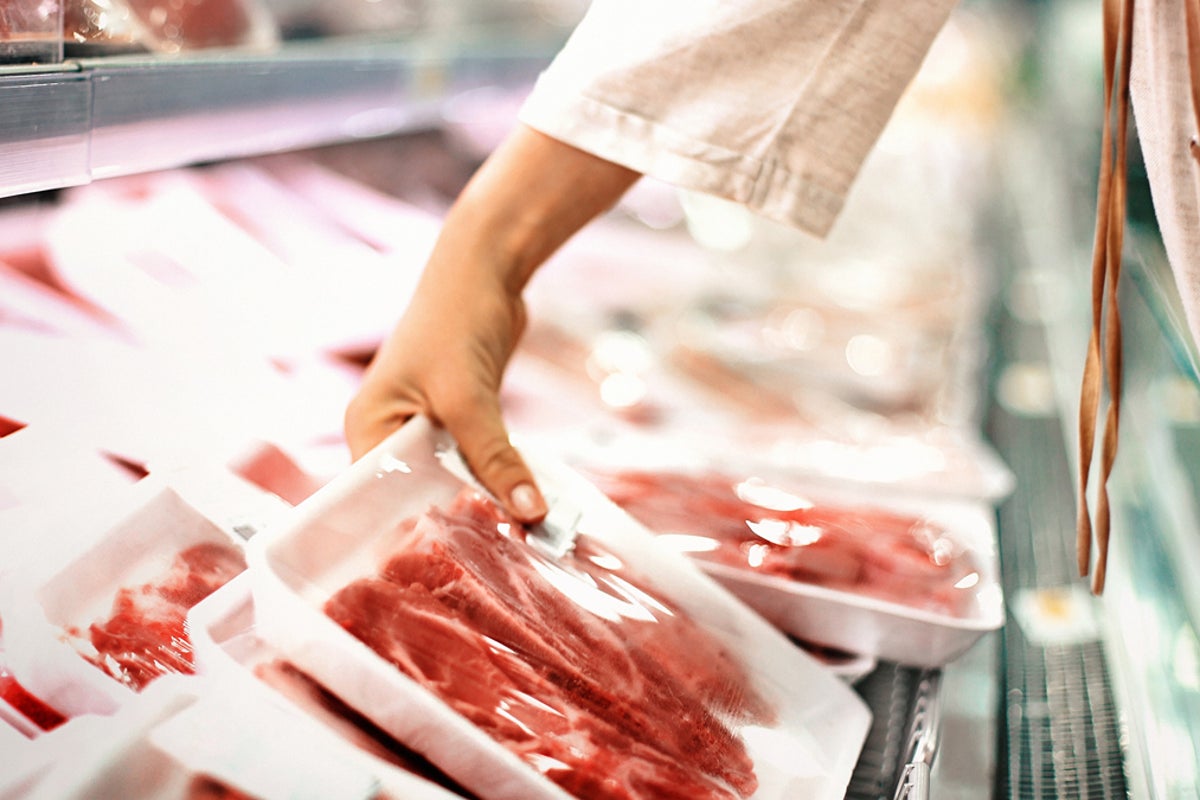
Go to the grocery store this weekend and look at the prices. Then look at the labels. If you see a shortage of specific cuts, know that it isn't a supply issue in the fields—the animals are there. It is a failure of the middleman to maintain the human bridge between the farm and your table. This strike is the first of many if the industry doesn't radically rethink its relationship with the people on the floor.