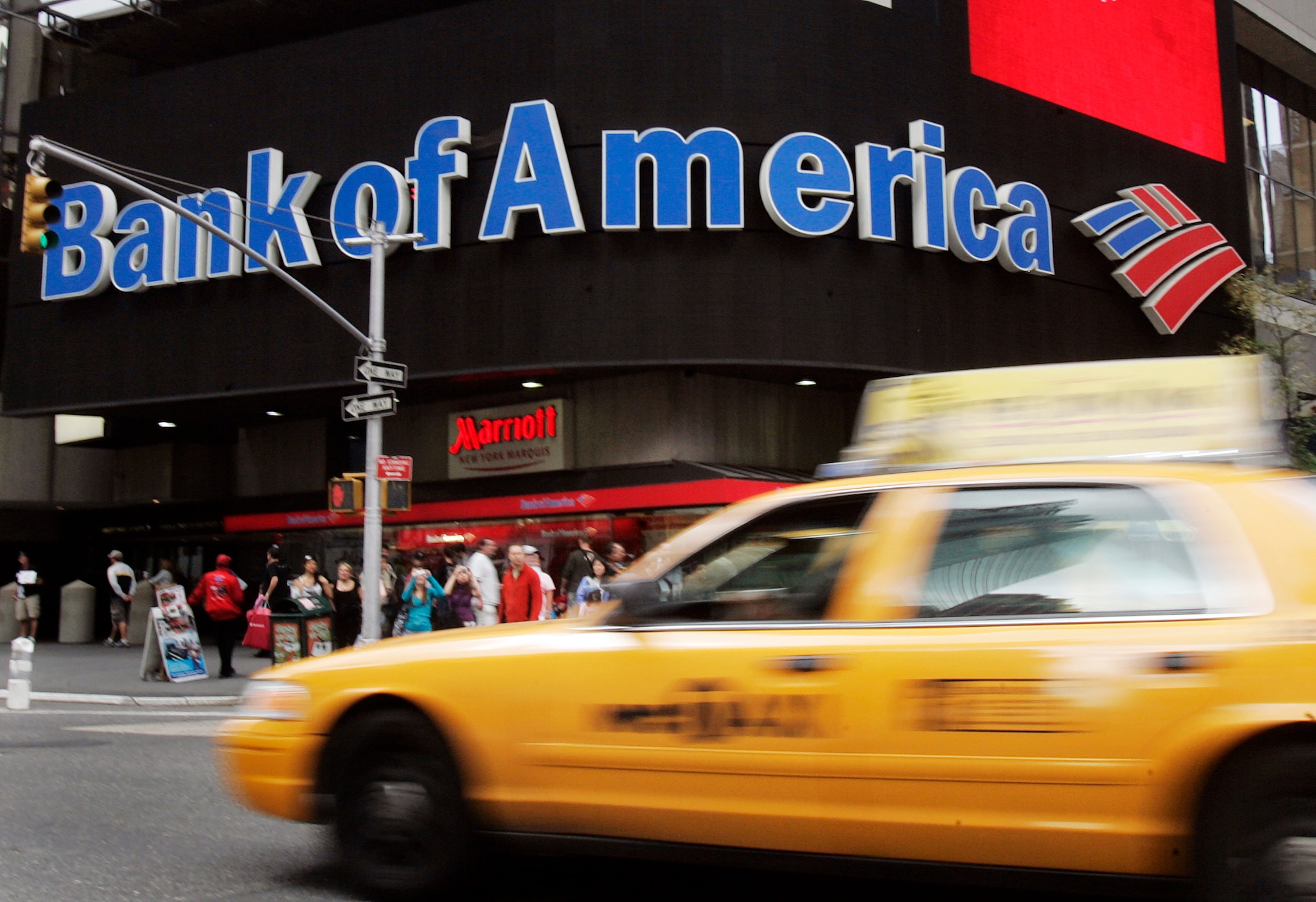
Bank of America just got the green light from a federal judge to hand over $72.5 million. It’s not a donation. It’s a settlement for a class-action lawsuit brought by women who say the bank basically looked the other way while Jeffrey Epstein ran his sex-trafficking ring. If you think that sounds like a lot of money, you’re right. But in the world of Wall Street legal battles, it’s actually a bit of a discount compared to what other big banks have paid.
U.S. District Judge Jed Rakoff gave the preliminary nod on Thursday. This means the deal is moving forward, and dozens of survivors are one step closer to getting some financial relief. The bank still says it didn't do anything wrong. They’re sticking to the "we just provided normal banking services" defense, but they’re clearly ready to write the check and make this headline disappear.
The Cost of Looking the Other Way
The core of the lawsuit is pretty ugly. A woman identified as Jane Doe filed the case last October, claiming Bank of America ignored a mountain of red flags. We're talking about suspicious transactions that should’ve triggered alarms at any institution following federal laws.
Instead, the lawsuit alleges the bank prioritized profits over people. They allegedly processed payments that funded Epstein’s operations between 2008 and 2019. One of the biggest sticking points involved Leon Black, the billionaire co-founder of Apollo Global Management.
Black reportedly moved about $158 million to Epstein for what he called "tax and estate planning." Those transfers went through Bank of America. The plaintiffs argue that no sane compliance department would see those numbers and not ask questions, especially given Epstein’s very public history as a sex offender.
Why This Settlement Matters for You
You might wonder why a bank is responsible for what a client does. Normally, they aren't. But the Trafficking Victims Protection Act (TVPA) changed the rules. Under this law, if a business "knowingly benefits" from participating in a venture that engages in sex trafficking, they can be held liable.
Judge Rakoff ruled back in January that the bank had to face these claims. He didn't buy the argument that these were just "routine services." By settling now, Bank of America avoids a messy trial that was supposed to start in May. They also stop the discovery process, which likely would've unearthed even more embarrassing internal emails or memos.
How the Money Breaks Down
The $72.5 million sounds massive, but here is how it actually splits up:
- Legal Fees: The lawyers (including heavy hitters like David Boies) can grab up to 30% of the pot. That’s roughly $21.8 million right off the top.
- The Victims: At least 60 survivors are currently identified as part of the class.
- Administrative Costs: A chunk goes toward the logistics of finding and verifying claimants.
If you compare this to the $290 million JPMorgan Chase paid or the $75 million from Deutsche Bank, Bank of America is getting out relatively light. Why? Probably because Epstein wasn't a direct "client" of Bank of America in the same way he was at the other firms. The bank’s involvement was more about the associates and entities linked to him.
The Reality of Financial Complicity
The banking industry likes to pretend it’s a neutral pipe for money. It isn't. Every time you open an account or send a wire, there are algorithms and human compliance officers watching. When a bank ignores $10 million transfers to a known felon, it’s a choice.
Honestly, these settlements are becoming a "cost of doing business" for Wall Street. While the $72.5 million provides some closure and much-needed cash for women who were abused and coerced, it doesn't necessarily change the culture of big-box banking. The bank’s spokesperson even said the resolution allows them to "put this matter behind us." That’s corporate speak for "we paid to make the problem go away."
What Happens Next for the Class Members
If you’re following this because you think you might be affected, or you’re just tracking the legal precedent, here’s the timeline. Judge Rakoff set a final approval hearing for August 27, 2026. Between now and then, the court-appointed administrator will start reaching out to potential class members.
The settlement covers women who were sexually abused or trafficked by Epstein or his network between June 30, 2008, and July 6, 2019. If the judge gives final approval in August, the checks should start moving shortly after.
Don't expect Bank of America to admit guilt. They won't. But the fact that they’re willing to part with $72 million suggests their legal team knew a jury trial in Manhattan would be a total disaster. For the survivors, this isn't just about the money. It's about the fact that a massive institution finally had to pay a price for being part of the infrastructure that kept Epstein in business for so long.
Keep an eye on the August hearing date. That's when the deal becomes ironclad and the "closure" the bank wants so badly finally becomes official.