The peace talks in Islamabad haven't even started, and they might already be dead. On Sunday, the US Navy didn't just intercept a ship; they blew a hole in its engine room and sent Marines rappelling onto the deck. This wasn't some routine "freedom of navigation" operation. It was a high-stakes gamble that effectively shredded the fragile ceasefire agreement between the US, Israel, and Iran just forty-eight hours before it was set to expire.
If you're wondering why oil prices just jumped over 5%, this is the reason. The M/V Touska, an Iranian-flagged container ship, is now sitting in US custody. Iran is calling it "piracy." President Trump is calling it a win for the blockade. But for the rest of the world, it's a sign that the Strait of Hormuz is back to being a shooting gallery.
The Six Hour Standoff and the Five Inch Gun
The operation wasn't a surprise to anyone watching the tracking data. The Touska was sailing from Malaysia—specifically Port Klang—and was making a beeline for the Iranian port of Bandar Abbas. It was moving at 17 knots, trying to punch through the naval blockade the US imposed last Monday.
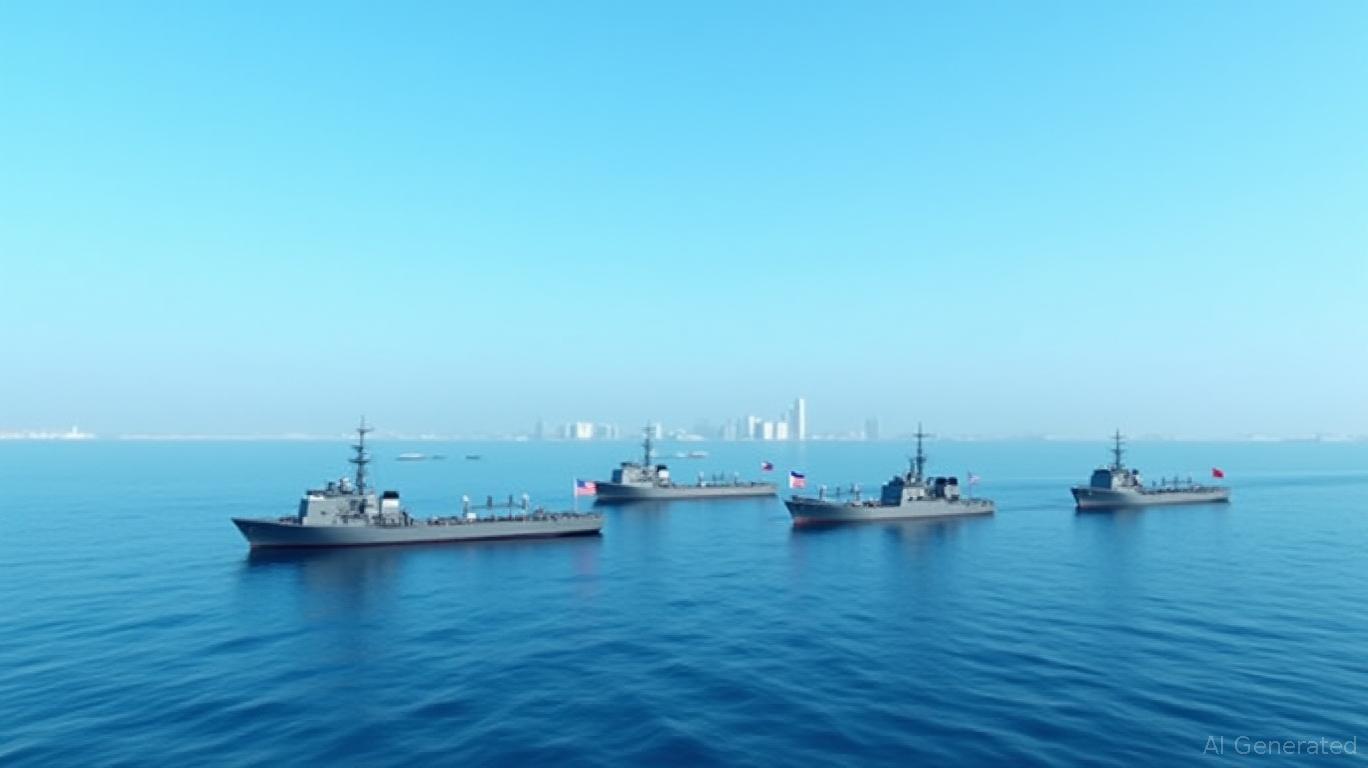
According to US Central Command (CENTCOM), the USS Spruance, a guided-missile destroyer, shadowed the vessel for six hours. The radio logs are chilling. The US crew repeatedly told the Touska to stop. They didn't. Eventually, the order came down to disable the ship.
"Vacate your engine room. We are about to subject you to disabling fire."
That wasn't a bluff. The Spruance used its MK 45 5-inch gun to put several rounds directly into the Touska’s engine room. Once the ship lost propulsion and started dead-sticking in the water, the 31st Marine Expeditionary Unit moved in.
Why the Touska Was the Target
You might ask why the US picked this ship. It isn't a military vessel. It's a cargo ship. But according to the White House, the Touska was already under US Treasury sanctions for "prior history of illegal activity."
In the eyes of the US military, the Touska was a test case. Since the blockade began, the Navy has ordered 25 merchant vessels to turn back. Most complied. The Touska didn't. By disabling and seizing it, the US sent a message: the blockade isn't a suggestion.
But there's a flip side. This is the first non-military Iranian ship the US has hit during this specific conflict. By doing so, the US has technically moved the goalposts of the "rules of engagement."
The Ceasefire is Gaping with Holes
This seizure happened right as the April 7 ceasefire was nearing its end. Both sides are now accusing each other of being the first to blink.
- The US Stance: Iran violated the agreement by firing bullets in the Strait of Hormuz on Sunday morning and trying to run the blockade.
- The Iranian Stance: The US violated the ceasefire by maintaining a naval blockade on civilian ports, which they argue is an act of war in itself.
The fallout was instant. Iran’s parliamentary speaker, Mohammed Bagher Qalibaf, basically signaled that the second round of talks in Pakistan is a no-go. You can’t expect a country to sit at a table in Islamabad while their ships are being shot at in the Gulf of Oman.
The Economic Shrapnel
Don't look at this as just a military skirmish. It's an energy crisis in the making. The Strait of Hormuz carries about 20% of the world’s oil. Right now, it’s effectively closed to most traffic.
Hundreds of ships are currently idling at both ends of the strait, waiting to see if they’ll be the next ones caught in the crossfire. While a couple of cruise ships—specifically the Mein Schiff 4 and 5—were allowed through with special permission, the "free oil market" Iran's Vice President Mohammad Reza Aref talked about is gone.
If the talks in Pakistan don't happen, or if they fail, we aren't just looking at more seized ships. We're looking at a scenario where the US moves from hitting ships to hitting infrastructure like power plants and bridges, a threat Trump has already voiced on social media.
What Happens Next
If you're tracking this for business or travel, keep your eyes on two things:
- The Islamabad Delegation: Watch if the US team—led by JD Vance, Steve Witkoff, and Jared Kushner—actually meets any Iranian officials. If they don't, the ceasefire ends Wednesday with a bang.
- Retaliation Patterns: Iran has already launched drones at US warships in response to the Touska seizure. If they move from "harassment" to "impact," the naval blockade will turn into a full-scale regional war.
The move to seize the Touska was a show of strength, but it might have been the move that made peace impossible. You don't "disable" a ship and expect the owner to come to the table with a smile. The next 48 hours will decide if the Gulf stays a trade route or becomes a graveyard for tankers.
Stop waiting for a "diplomatic breakthrough" that's likely not coming. Prepare for higher fuel costs and shipping delays that could last through the summer. The blockade is real, the fire is real, and the Touska is just the beginning.