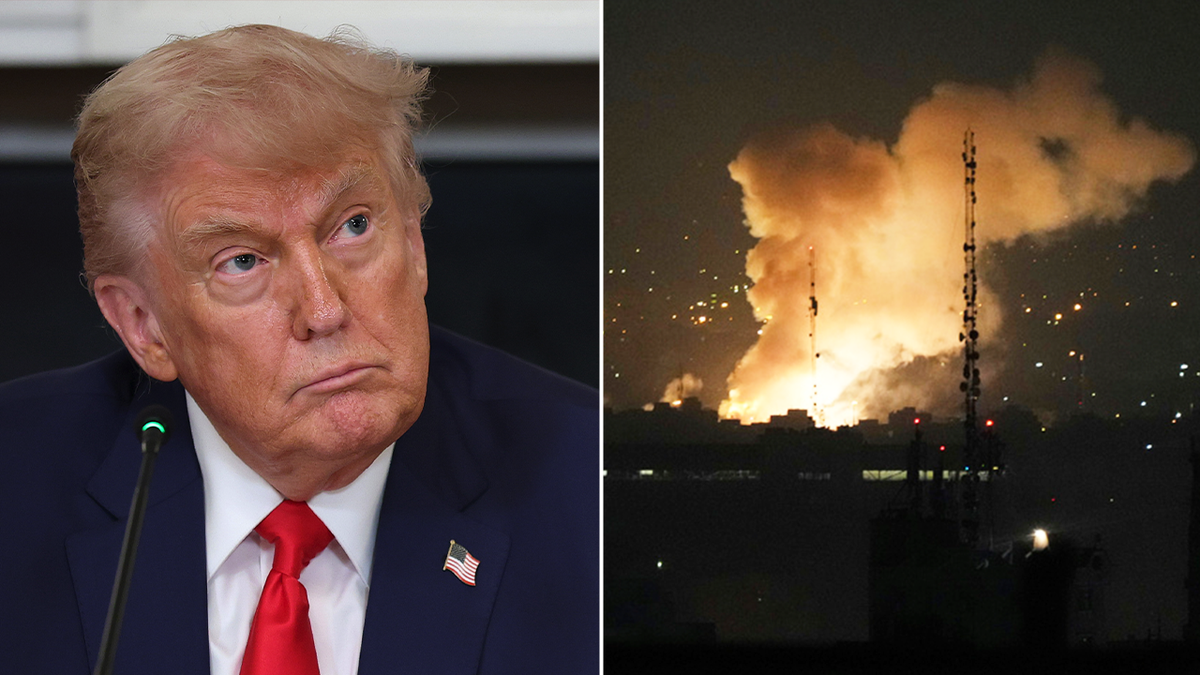
Donald Trump has flatly rejected a proposal from Vladimir Putin to transfer Iran’s stockpile of highly enriched uranium to Russian custody. The rejection, delivered during a high-stakes phone call this week, effectively shuts down a Kremlin-brokered "off-ramp" for the ongoing U.S.-Iran conflict. While Moscow presented the plan as a pragmatic way to neutralize the nuclear threat without further bloodshed, the White House appears to have calculated that such a move would leave the most dangerous materials in the world under the control of a partner they no longer trust.
The immediate reality is that approximately 450 kilograms of 60%-enriched uranium remain at the heart of the crisis. This material is not a theoretical problem; it is a technical reality sitting in hardened Iranian bunkers. At its current level of enrichment, that stockpile can be converted into weapons-grade fuel for more than ten nuclear warheads within a matter of weeks. By refusing to let Russia act as the middleman, Trump is signaling that he will settle for nothing less than a "secured" and U.S.-verified removal of the material, a stance that raises the probability of a high-risk ground operation by American or Israeli special forces.
The Ghost of 2015 and the Trust Deficit
Putin’s offer was not a new invention. It was a play from an old playbook. Under the 2015 nuclear deal (JCPOA), Russia served as the repository for Iran’s low-enriched uranium, a role that gave Moscow significant leverage in Middle Eastern diplomacy. However, the world of 2026 is fundamentally different from the world of 2015.
The administration’s refusal to accept the Kremlin as a neutral "locker room" for nuclear fuel stems from a deepening suspicion of the Russia-Iran military axis. Throughout the current conflict, reports have surfaced suggesting Moscow has shared intelligence and targeting data with Tehran to help defend against U.S. and Israeli airstrikes. For Trump, the idea of handing the "crown jewels" of the Iranian nuclear program to a nation that may be actively assisting the enemy was a non-starter.
“The president is always willing to make a deal,” a senior U.S. official noted following the call, “but it has to be a good deal. We need to see the uranium secured, not just moved to a different set of shadows.”
Inside the Bunkers of Isfahan and Natanz
The logistical nightmare of this conflict is centered on two specific locations: the underground facility at Isfahan and the deeply buried site at Natanz, often referred to by analysts as Pickaxe Mountain. These are not simple warehouses. They are fortified complexes designed to survive the very bombing campaign that the U.S. and Israel have been conducting since late February.
The 450 kilograms of uranium are believed to be stored in small canisters, roughly the size of scuba tanks. While the U.S. "Operation Midnight Hammer" in 2025 and the strikes in early 2026 successfully damaged the surface infrastructure of these sites, the canisters themselves remain intact.
The Difficulty of the Extraction
If the material isn’t shipped out voluntarily to a destination the U.S. approves of, the alternative is a ground "snatch-and-grab" mission. Defense Secretary Pete Hegseth recently hinted that the U.S. possesses a "range of options," but the technical reality is daunting:
- Weight and Volume: Moving nearly half a ton of radioactive material requires heavy-lift capabilities and specialized shielding.
- The Mobile Uranium Facility: The U.S. has developed specialized equipment designed to contain and transport HEU (highly enriched uranium) in hostile environments, but deploying this equipment requires a secure perimeter that does not currently exist.
- The Decimation Requirement: Trump has stated that U.S. ground troops will not be deployed until Iranian defending forces are "so decimated that they wouldn’t be able to fight on the ground level."
The Strategic Failure of "Maximum Pressure" Diplomacy
The rejection of the Russian offer highlights a massive disconnect between the administration's military objectives and its diplomatic capacity. Before the strikes began on February 28, 2026, negotiators in Geneva were reportedly close to a deal where Iran would dilute its stockpile or move it to a third country.
Critics argue that the U.S. negotiating team, led by Special Envoy Steve Witkoff, lacked the technical depth to close the gap. When Iran proposed diluting the material on-site under IAEA supervision, the U.S. viewed it as a stalling tactic. When Russia offered to take the material, the U.S. viewed it as a strategic trap. This leaves the administration in a "zero-sum" position: total Iranian capitulation or a protracted war of attrition.
The Risks of a Decapitated Regime
The situation is further complicated by the death of Supreme Leader Ali Khamenei and the ensuing chaos within the Iranian leadership. A decapitated regime is often more dangerous than a stable one. With the "Axis of Resistance" (Hezbollah, the Houthis, and Iraqi militias) threatening a "war of attrition," the window for a peaceful transfer of the nuclear stockpile is closing.
If the U.S. continues to reject international mediation—even from a flawed partner like Russia—it assumes the entire burden of the nuclear risk. If those canisters are moved by the IRGC to mobile, hidden locations during the chaos of the bombing, the "proliferation risk" the war was intended to stop will actually increase.
The 450 kilograms of 60% uranium are a ticking clock. By swatting away Putin’s hand, Trump has staked everything on the belief that American power can force a better outcome through sheer military dominance. It is a gamble that assumes the material will stay put until the U.S. is ready to take it. But in war, nothing stays put.
Would you like me to look into the specific technical capabilities of the U.S. Mobile Uranium Facility or the current status of the Iranian leadership transition following Khamenei’s death?