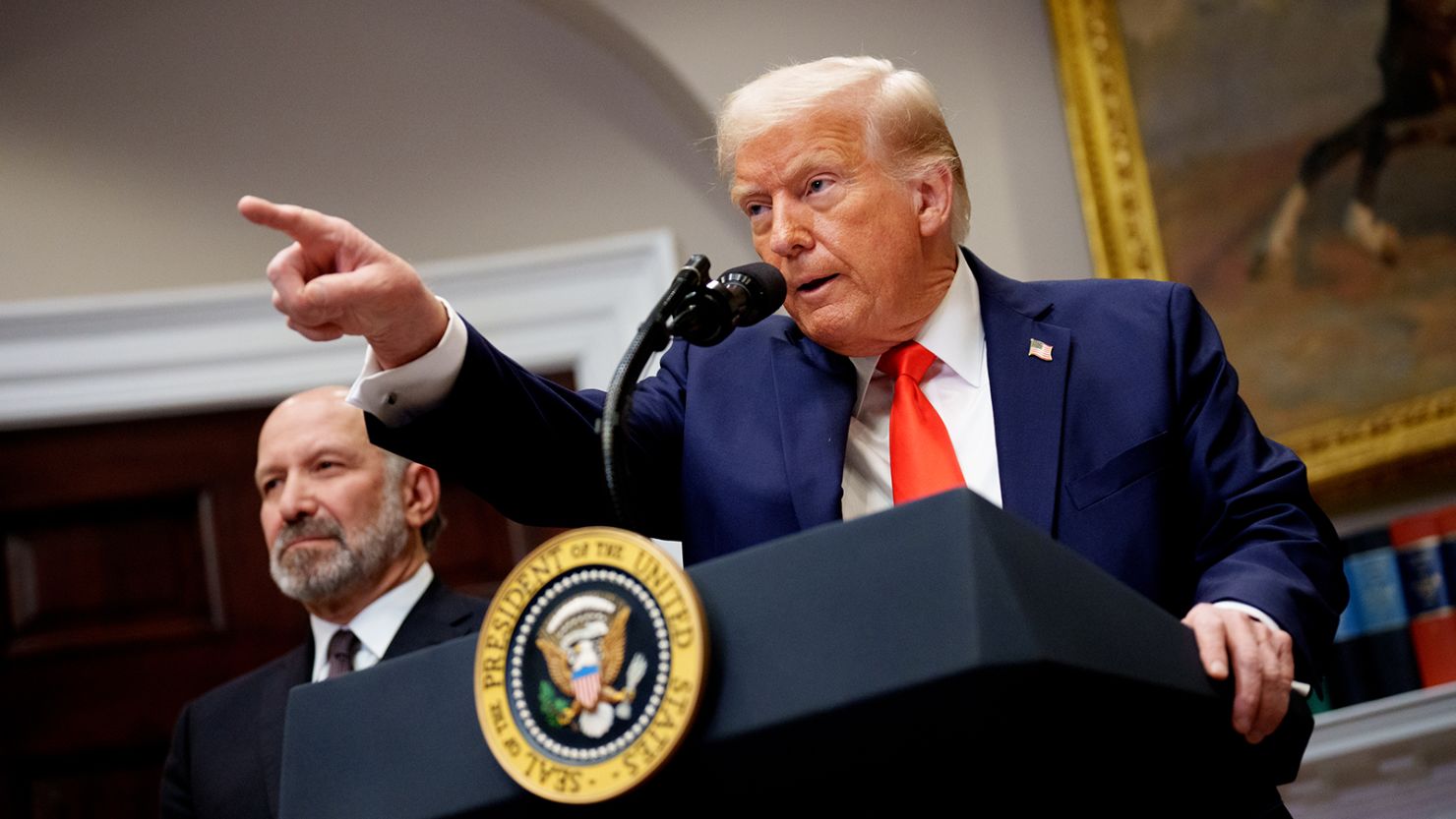
Donald Trump isn't pulling any punches when it comes to Tehran. During a White House cabinet meeting on Thursday, March 26, 2026, the U.S. President laid down a blunt ultimatum to Iran: accept a deal to end the month-old conflict, or the U.S. and Israel will "keep blowing them away unimpeded."
It's a high-stakes squeeze. Trump claims Iran is "begging" for a way out. Tehran denies this, calling Washington’s fifteen-point proposal completely one-sided. While the rhetoric flies, global energy markets are jittery and oil prices are creeping up.
If you're trying to make sense of the noise, you're not alone. Let's look at what's actually happening behind closed doors, why the two sides are so far apart, and what this means for global security.
The Fifteen Point Friction
The White House insists it’s offering a clear off-ramp. Trump's special envoy, Steve Witkoff, confirmed that Washington presented a fifteen-point ceasefire proposal. On paper, it hits the big Western security goals. It demands that Iran permanently abandons its nuclear ambitions, rolls back its missile program, and reopens the vital Strait of Hormuz. In exchange, the U.S. offers a pathway to lift heavy economic sanctions.
But if you look at it from Tehran’s perspective, the deal looks more like a surrender document than a bilateral treaty.
A senior Iranian official recently told Reuters that the plan is "one-sided and unfair." They argue that it forces Iran to strip away its own defensive capabilities in exchange for some incredibly vague promises of economic relief. Tehran fired back with its own list of heavy conditions through state media. They aren't just asking for a ceasefire; they want ironclad guarantees that no future wars will be waged against them, reparations for war damages, and formal recognition of their sovereignty over the Strait of Hormuz.
Right now, the gap between what Trump wants and what Tehran will accept is a canyon.
Oil Markets And The Hormuz Chokehold
Why does this matter if you aren't a geopolitical junkie? Because it hits your wallet.
The Strait of Hormuz is a massive bottleneck. Roughly twenty percent of the world's oil flows through that narrow strip of water. When Iran restricts traffic or threatens shipping, global energy prices react instantly.
We saw that exact reaction on Thursday. Markets are pricing in a heavy geopolitical risk premium. Investors hate uncertainty. When Trump floats the idea that military operations will continue "unimpeded" or casually mentions that taking Iranian oil is an option, traders panic. They sell off risky assets and buy up commodities.
What You Need To Know About The Economic Ripple
- Energy Prices: Expect fuel costs to stay volatile as long as the Strait remains a military flashpoint.
- Shipping Risks: The U.S. Maritime Administration is already warning commercial vessels about regional shipping hazards.
- Gulf State Anxiety: Neighboring Gulf countries are feeling the heat. Tourism and business hubs in the Middle East don't do well when missiles are flying nearby. Several regional states are calling for a de-escalation to protect their own economic stability.
Reading Between The Lines Of Trump Rhetoric
If you've watched Trump negotiate over the last decade, you know he loves the art of the squeeze. He frequently switches between calling adversaries "great negotiators" and threatening them with total destruction. It's a classic maximum-pressure playbook.
On Truth Social, Trump claimed that Iran is "militarily obliterated" with zero chance of a comeback. He also noted that U.S. operations are way ahead of schedule. But in the same breath, he expressed doubt about whether he even wants to finalize an agreement. "I don't know if we'll be able to do that," Trump said of the prospects for a deal. "I don't know if we're willing to do that."
Taking both sides of the argument is a deliberate tactic. It keeps the opposition guessing and projects a posture of ultimate strength. By acting indifferent to whether a deal happens, Trump tries to force Iran's hand.
But there's a limit to how much military pressure can achieve. Security analysts are quick to point out that while heavy airstrikes can degrade weapons facilities and naval assets, they rarely force a proud regime to its knees. Often, it just hardens their resolve. Plus, Tehran knows that direct U.S. ground intervention is a massive, costly headache that Washington desperately wants to avoid.
Practical Realities To Track
If you are tracking this conflict for business, investment, or general awareness, don't just get caught up in the daily headlines. Watch these concrete indicators instead:
1. Watch the Strait of Hormuz Traffic
Ignore the political speeches and watch the water. If commercial shipping remains choked or insurance premiums for tankers spike, it means the military threat is active and real. If shipping normalizes, a quiet back-channel deal might be cooking.
2. Look at Regional Intermediaries
Direct U.S.-Iran talks are a mess. Keep an eye on regional neighbors like Pakistan, Turkey, or Oman. History shows that when real breakthroughs happen in the Middle East, they happen through quiet, third-party facilitators, not through public social media posts.
3. Monitor Oil Price Baselines
If Brent crude holds stubbornly high despite normal production numbers elsewhere, it tells you the market believes a wider war is possible. If it dips, it means traders think the rhetoric is just posturing.
The clock is ticking. Trump's warning that there is "no turning back" signals that the window for a diplomatic off-ramp is closing fast. Whether this ends at a summit table or with a wider regional flare-up depends entirely on who blinks first.