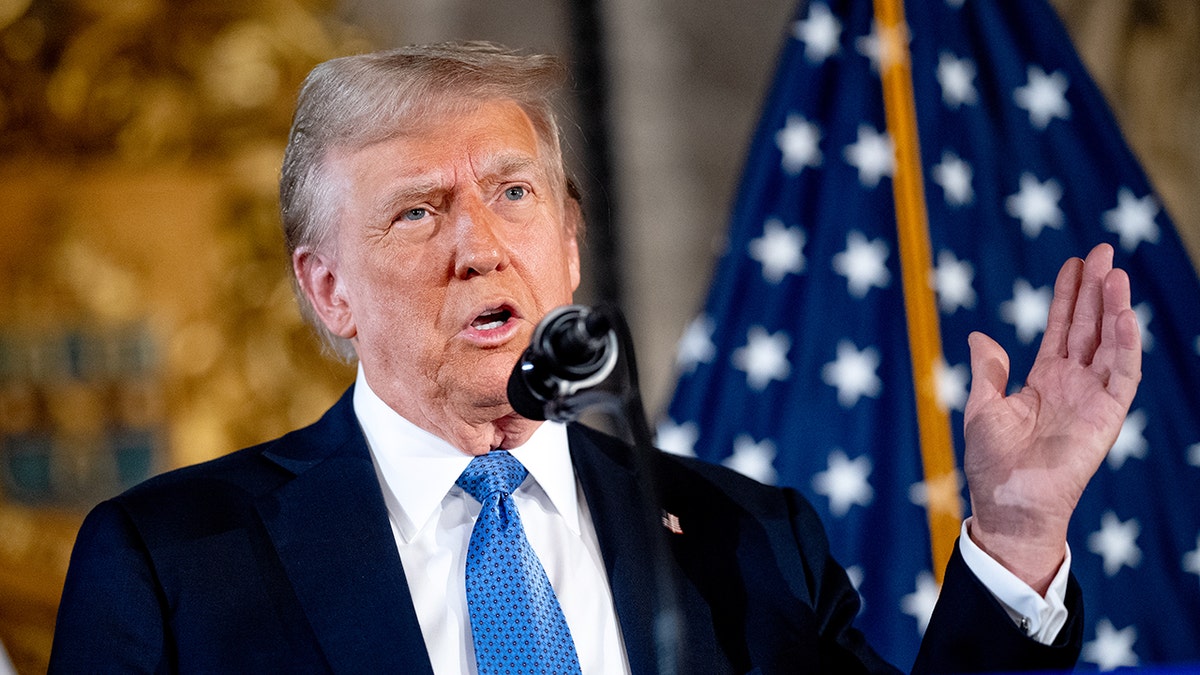
Donald Trump keeps telling crowds he ended nine wars during his presidency and wants to make the Russia-Ukraine conflict his tenth trophy. It’s a bold claim that hits hard in an era of intervention fatigue. People are tired of seeing tax dollars fly overseas while domestic issues rot. They want to believe a single leader can just "turn off" global violence like a light switch. But when you look at the actual math of global conflict, the "nine wars" figure feels more like creative accounting than a historical record.
Voters care about this because it speaks to a fundamental shift in American foreign policy. We’re moving away from the neoconservative era of nation-building and toward a messy, unpredictable brand of isolationism. Trump isn't just boasting; he’s pitching himself as the ultimate closer. He’s telling you that while the "warmongers" in Washington get stuck in quagmires, he just walks in and signs a deal.
The reality of how wars end is never that clean. It involves grueling diplomacy, shifting front lines, and often, just rebranding a conflict as a "frozen" one. If you want to understand if he can actually stop the bleeding in Ukraine, you have to look at what happened between 2017 and 2021.
The Mystery of the Nine Wars
Where does the number nine come from? If you ask a military historian to list nine wars that started and ended during the Trump administration, they’ll probably stare at you blankly. Most conflicts don't have a clear "The End" credit roll. Instead, the Trump team often points to the territorial defeat of ISIS in Iraq and Syria as their gold standard.
It’s true that the physical caliphate collapsed under his watch. He gave commanders more autonomy and ramped up the pressure. But "ending" a war is different than winning a battle. Thousands of ISIS fighters just melted back into the population or ended up in prison camps that remain a ticking time bomb today. To call that a completed mission is a stretch.
Then there’s the Abraham Accords. These were historic agreements between Israel and several Arab nations like the UAE and Bahrain. While they didn't end active shooting wars—since these countries weren't actively killing each other at the time—they certainly lowered the temperature in the Middle East. They were diplomatic wins, not military conclusions. Trump counts these as "wars avoided," which pads the stats.
He also claims credit for de-escalating with North Korea. Remember the "Little Rocket Man" era? We went from the brink of nuclear catastrophe to handshakes in the DMZ. It was high drama. It was effective branding. But did the war end? Technically, the Korean War has been on "pause" since 1953. Trump didn't sign a peace treaty. He just changed the vibe.
The Ukraine Problem is a Different Beast
Russia’s invasion of Ukraine isn't a regional skirmish or a counter-insurgency. It’s a high-intensity, industrial-scale war between two sovereign nations. Trump says he’d "love to" make this his tenth ending. He’s claimed he could settle it in 24 hours. That’s the kind of confidence that wins elections but makes diplomats break out in hives.
Stopping this war requires more than a handshake. You’ve got Putin, who sees Ukraine as part of Russia’s historical soul, and Zelenskyy, who won’t trade land for a fake peace. Trump’s strategy usually involves leverage. He’d likely tell Zelenskyy, "No more weapons unless you talk," and tell Putin, "If you don't talk, we'll give Ukraine everything."
It sounds simple. In practice, it’s a gamble. If he cuts off Ukraine, Europe panics. If he threatens Putin, he risks the very escalation he claims to hate. His "I’ll just call them" approach ignores the deep-seated ethnic and territorial grievances that have fueled this fight since 2014. It’s not just a business deal where two CEOs argue over a stock price. It’s about blood and soil.
Why the Non-Interventionist Brand Works
Despite the shaky math on the "nine wars," the message resonates because the American public is over it. We spent twenty years in Afghanistan only to see the Taliban take it back in a weekend. People see the billions going to Kyiv and wonder why their local bridge is falling down.
Trump tapped into a vein of skepticism that both the left and right now share. He’s the first president in decades who didn't start a new foreign war. That’s a legitimate talking point. Even if he didn't "end" nine, he didn't add any to the list. That’s a rare feat in modern American history.
Critics say his "America First" policy creates a vacuum that China and Russia fill. They aren't wrong. When the U.S. pulls back, someone else steps in. But for the average person in the Midwest, a vacuum in the Donbas is better than a funeral in their hometown. Trump knows this. He’s leaning into the role of the "Peace Candidate," even if his rhetoric is often aggressive.
The Real Cost of Negotiated Peace
If Trump gets his wish and "ends" the Russia-Ukraine war, what does that peace look like? This is where it gets messy.
- Territorial Concessions: Russia likely keeps Crimea and parts of the Donbas.
- Neutrality: Ukraine might have to give up its dream of joining NATO.
- Security Guarantees: Who ensures Russia doesn't just invade again in five years?
Most experts at places like the Council on Foreign Relations argue that a forced peace today just guarantees a bigger war tomorrow. They think Putin only understands strength. Trump thinks Putin only understands a better deal. It’s the ultimate clash of worldviews.
I’ve watched these cycles for years. Leaders promise quick fixes to ancient problems. They rarely deliver. But the mere promise of an ending is a powerful drug for a war-weary electorate.
Moving Toward a New Diplomacy
You can't just ignore the "nine wars" claim because the numbers don't add up. You have to look at the intent. The intent is to signal a total departure from the "Global Policeman" era. Whether you love him or hate him, Trump changed the conversation about what America owes the rest of the world.
If you're watching the headlines, don't get bogged down in the specific count. Instead, look at the underlying mechanics. Is he talking about a diplomatic surge, or is he talking about a total withdrawal? There’s a big difference. One leads to a structured peace; the other leads to chaos.
To stay informed on this, start looking at the specific peace proposals coming out of the "Trump-aligned" think tanks like the Center for Renewing America. They are already drafting the blueprints for a negotiated settlement. Read between the lines of the campaign speeches. They’re telling you exactly how they plan to pressure both sides. Stop waiting for the "24-hour" miracle and start looking at the actual trade-offs being discussed behind closed doors. That’s where the real tenth war will be won or lost.