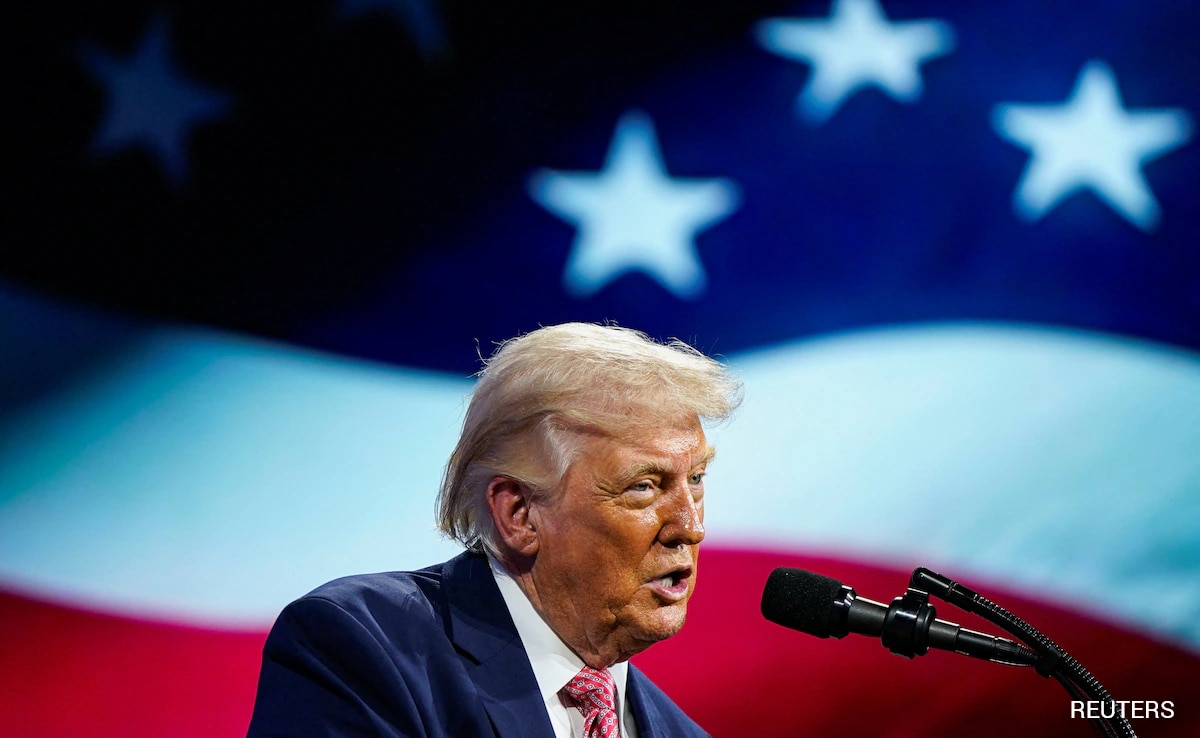
Donald Trump just dropped a bombshell in Miami that has the entire Caribbean on edge. While the U.S. military is currently tied up in a massive joint operation with Israel against Iran, the President took a stage at the Future Investment Initiative on March 27, 2026, and said the words Havana has been fearing for decades.
"Cuba is next, by the way."
He tried to play it off immediately after, telling the media to "pretend I didn't say that," but the message was sent. You don't just "accidentally" mention the next target of a military that just finished a regime-change operation in Venezuela and is currently dismantling the Iranian leadership. This isn't just tough talk; it's a look at a 2026 foreign policy that's moving faster than anyone predicted.
The domino effect from Caracas to Tehran
To understand why Cuba is suddenly in the crosshairs, you have to look at what's happened over the last three months. On January 3, 2026, U.S. forces moved into Venezuela and seized Nicolas Maduro. That wasn't just about Venezuela; it was a decapitation strike against Cuba’s literal life support.
For years, Havana survived on Venezuelan oil. That tap is now dry. The new government in Caracas, led by Delcy Rodríguez under heavy Washington influence, cut off the shipments. Cuba is currently dark. Power plants are failing, and the economy is in a freefall that makes the 1990s "Special Period" look like a vacation.
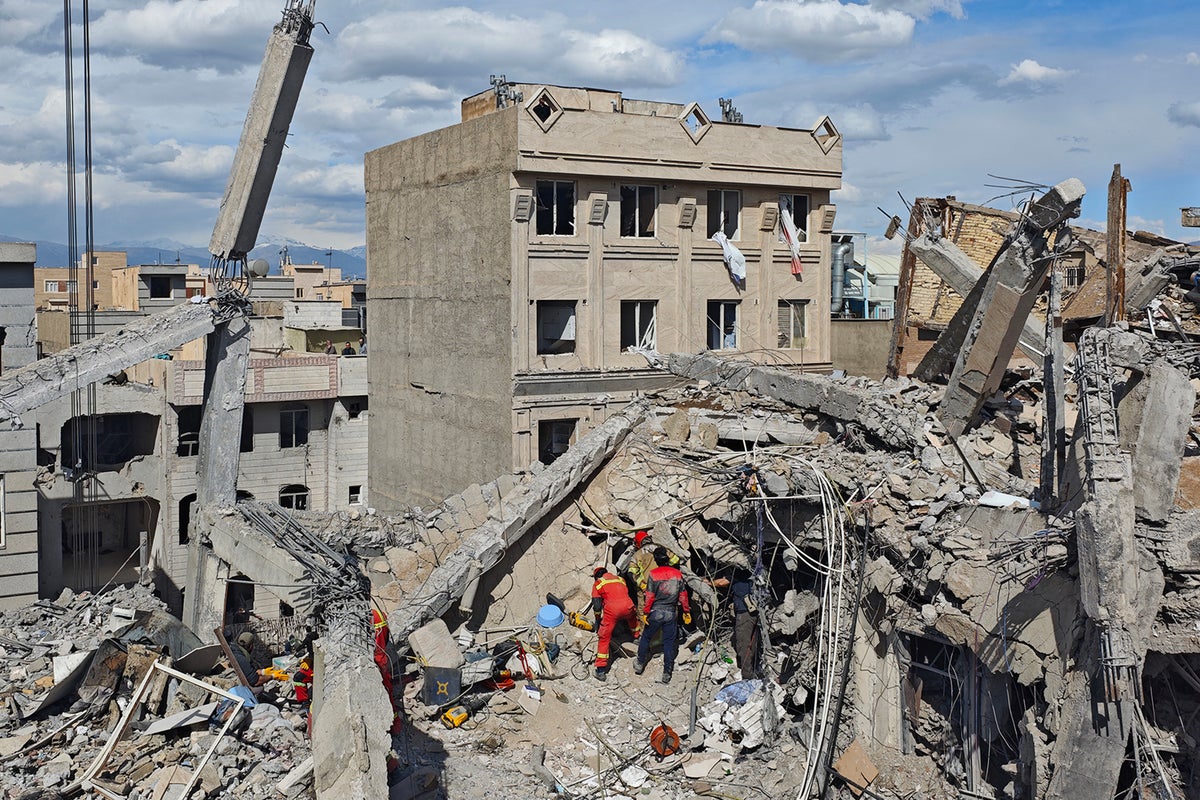
Then came February 28. Operation Epic Fury launched against Iran. With the Ayatollah dead and the U.S. Navy controlling the Strait of Hormuz—which Trump has cheekily started calling the "Strait of Trump"—the administration feels invincible. They've proven they can take down a regional power in weeks.
Why Havana is terrified right now
Trump’s "Cuba is next" comment wasn't made in a vacuum. He’s already laid the legal groundwork for whatever comes next. Back in January, he signed Executive Order 14380, declaring a national emergency regarding Cuba. He’s also threatening massive tariffs on any country that dares to sell oil to the island.
It’s a classic squeeze play.
- Step 1: Cut off the energy supply (Venezuela).
- Step 2: Sanction anyone who tries to help (The Tariff Threat).
- Step 3: Wait for the internal collapse or provide a "nudge."
The Cuban President, Miguel Díaz-Canel, is reportedly already in talks with Washington just to keep the lights on. But Trump is playing both sides. One day he talks about a "friendly takeover," and the next he’s reminding a room full of investors that he built a "great military" and "sometimes you have to use it."
The NATO factor and a new world order
One of the most striking things about Trump’s recent Miami speech wasn't just the Cuba threat—it was his absolute disdain for traditional allies. He called NATO a "paper tiger" because they haven't joined the fight in Iran.
"Why would we be there for them if they're not there for us?" he asked.
This tells us everything we need to know about "Cuba is next." If the U.S. moves on Havana, it won't be a coalition. It’ll be a unilateral American operation. Trump is signaled that he’s done waiting for European permission. He’s looking at the Western Hemisphere as his own backyard again, and he’s clearly tired of the 60-year-old stalemate 90 miles off the coast of Florida.
What actually happens next
Don't expect paratroopers over Havana tomorrow morning. The U.S. is still very much occupied with the "clean up" in Iran and the stabilization of Venezuela. But the economic war is already at a 10 out of 10.
If you're watching this play out, keep an eye on the oil tankers. If the U.S. starts intercepting third-party ships headed for Cuban ports, the "kinetic action" Trump hinted at has officially begun. The administration is betting that the Cuban government will fold under the weight of a total energy blockade before a single shot needs to be fired.
Keep your eyes on the following triggers:
- Oil Interdictions: Watch for U.S. Coast Guard or Navy activity in the Florida Straits.
- The "Peacemaker" Pivot: Trump loves a deal. He might use the threat of force to demand a total transition of power in Havana in exchange for lifting the blockade.
- Domestic Unrest: As the food and power situation in Cuba worsens, Washington will likely amplify its rhetoric to encourage internal protests.
The "Cuba is next" comment might have been framed as a slip of the tongue, but in the world of 2026 geopolitics, there are no accidents. The map is being redrawn, and Havana is the last piece of the old puzzle Trump wants to flip.