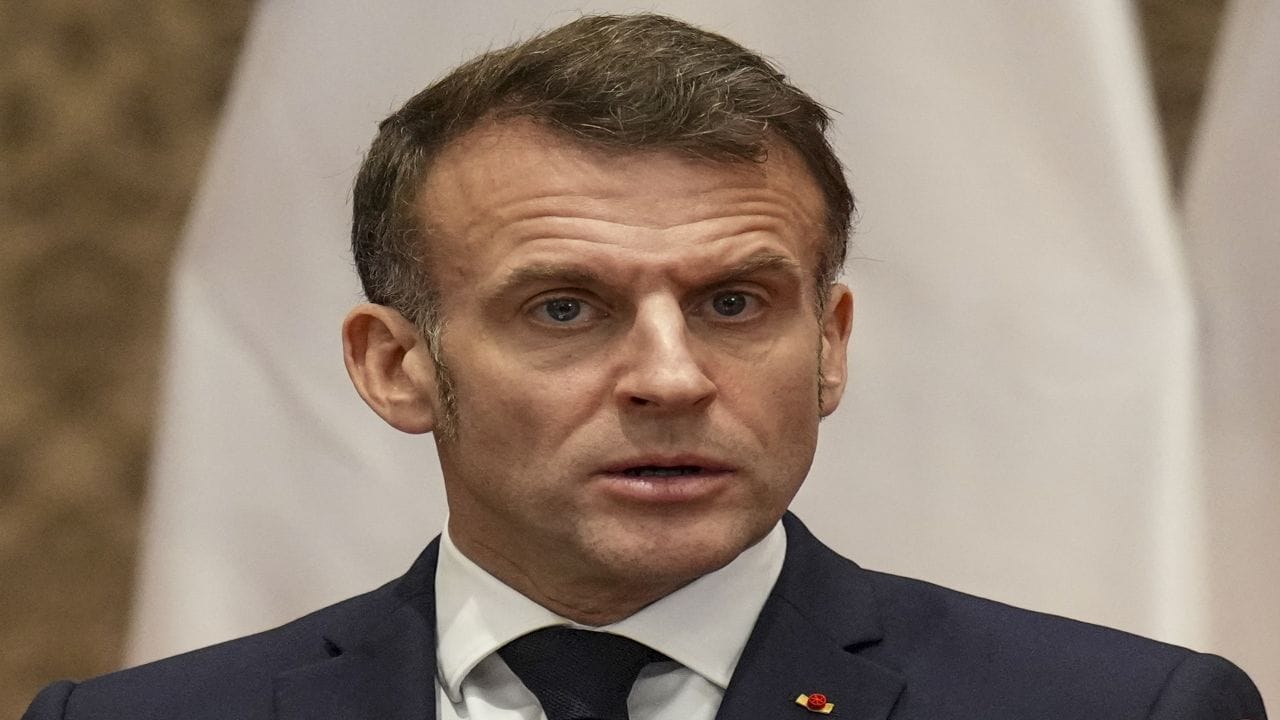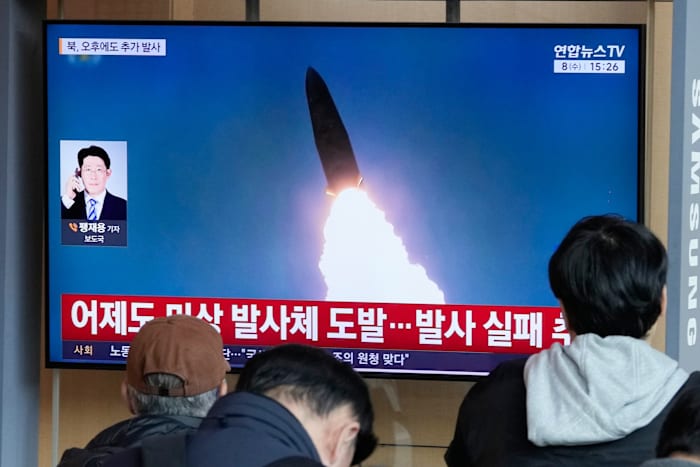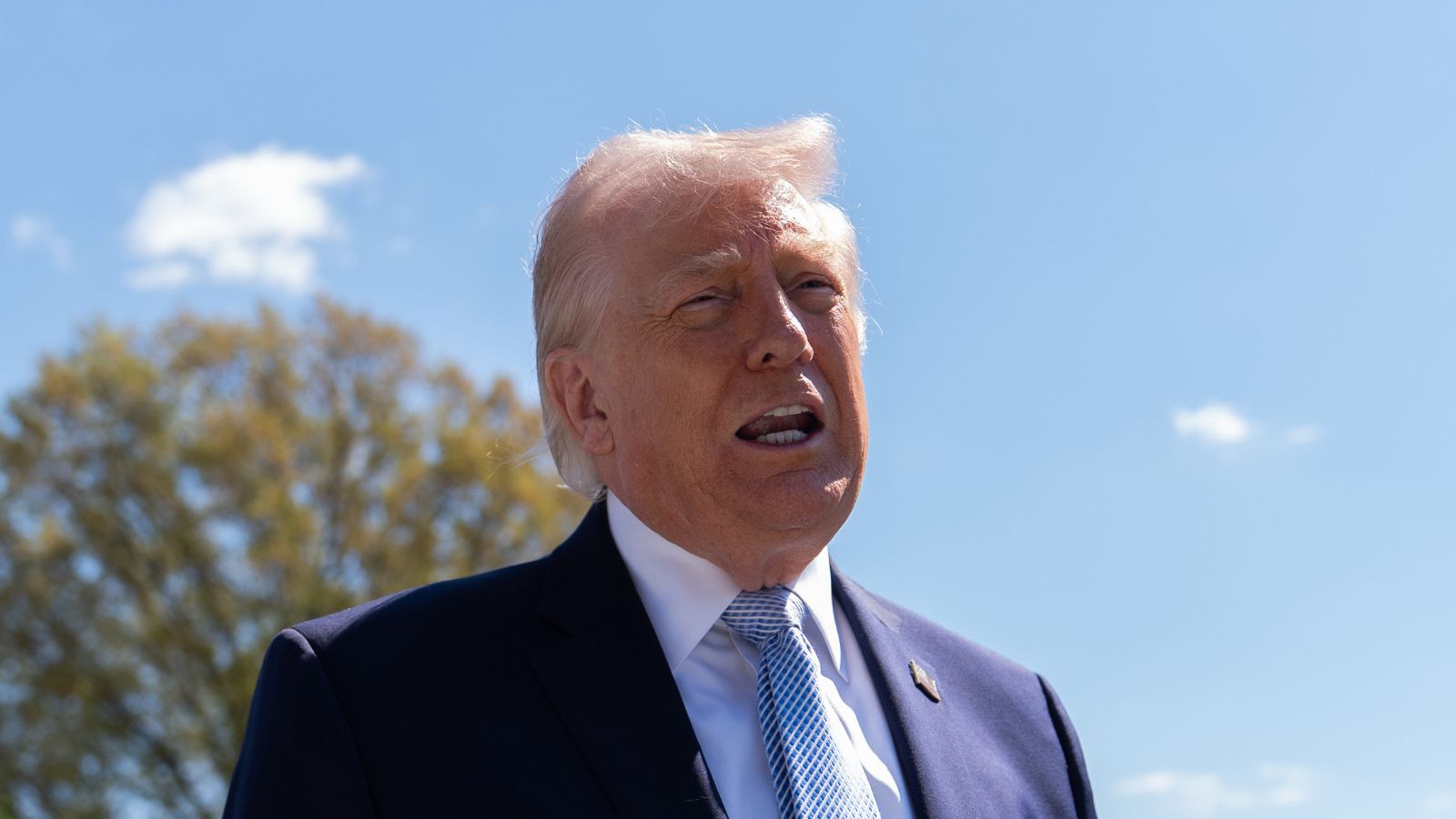
Donald Trump just did what he does best. He pulled the world back from the edge of a cliff at the very last second. Just ninety minutes before his deadline to "annihilate" Iran's infrastructure, he pivotally—and characteristically—announced a two-week ceasefire. But the real story isn't just the pause in the bombing. It's the fact that Trump is openly giving a nod to China for helping pull the strings in Tehran.
You've gotta wonder why the man who spent years bashing Beijing’s trade policies is suddenly calling them a helpful partner in the Middle East. It’s because he knows something most of the talking heads on cable news are missing. China is the only country with enough financial leverage to make the Iranian leadership actually listen when their backs are against the wall.
The secret architecture of the April truce
The ceasefire didn't just fall out of the sky. While Pakistan acted as the formal intermediary—shuttling a 10-point proposal from Tehran to the White House—Beijing provided the weight. China buys the vast majority of Iran's oil. If Beijing says "stop," the Iranian economy doesn't just stumble; it dies.
Trump’s "I hear yes" comment when asked about China’s secret role wasn't a slip of the tongue. It’s a calculated setup for his upcoming summit with Xi Jinping. He's framing China as a responsible global power because he wants something in return during those Beijing talks. He’s essentially saying, "You helped me with Iran, now let's talk about the South China Sea and those tariffs."
What Iran actually put on the table
The 10-point plan isn't a surrender. It's a "workable basis," according to Trump, but the details are still incredibly thorny. If you look at the Farsi versions of the proposal vs. the English ones, there’s a massive gap.
- Sanctions relief: Iran wants a total lift of primary and secondary sanctions.
- The Hormuz Factor: They're demanding continued "dominion" over the Strait of Hormuz, which handles 20% of global oil.
- Nuclear Enrichment: The Farsi documents mention "acceptance of enrichment," a phrase that mysteriously vanished from the English translations handed to Western reporters.
Trump's gamble is that he can use the next 14 days to turn these maximalist demands into something the U.S. and Israel can live with. It’s a classic "Art of the Deal" move. He cranks the pressure to 11, threatens total destruction, and then offers a tiny window of hope that everyone is too relieved to ignore.
Why the Beijing summit is the real endgame
Don't be fooled into thinking the Iran war is the only thing on Trump’s mind. The May trip to Beijing is the centerpiece of his second-term foreign policy. By crediting China with the Iran ceasefire, Trump is building a "debt" that he expects Xi Jinping to pay.
China has been playing it cool. Foreign Ministry spokesperson Mao Ning has been careful to say they "advocate for political and diplomatic channels" without taking too much credit. They don't want to look like they're doing Trump's bidding. But behind the scenes, Chinese diplomats have been in constant contact with Tehran. They need the Strait of Hormuz open just as much as we do. Their economy is fueled by that oil, and a global recession caused by $150-a-barrel crude is the last thing Xi wants.
The risks of the two-week window
Two weeks is nothing in diplomacy. It’s barely enough time to get the right people in a room in Islamabad. Critics say Trump "blinked." They argue that by backing down from his 8 p.m. deadline, he showed Iran that his threats are just bluster.
I don't buy it. Trump didn't blink; he took the profit. The ceasefire announcement alone sent West Texas Intermediate (WTI) crude prices tumbling by 20%. The stock market had its best day in years. For a president who measures success by the Dow Jones and the price at the pump, that’s a massive win before he even sits down at the negotiating table.
But the danger is real. Israel has already added a "Lebanon footnote" to the truce, signaling they might keep hitting Hezbollah even if the strikes on Iran pause. If one side pushes too hard, the whole thing goes up in flames.
Making sense of the chaos
If you're trying to figure out what happens next, watch the oil tankers. If Iran actually reopens the Strait of Hormuz as promised, the ceasefire has a chance. If they stall, expect the B-1B bombers at RAF Fairford to be back in the air before the 14 days are up.
Trump is betting that he can outsource the "heavy lifting" of Middle East stability to China so he can focus on his domestic agenda. It’s a messy, high-stakes strategy that ignores decades of traditional diplomacy. But honestly, that’s exactly what people expected when they put him back in office.
Keep an eye on the Islamabad talks starting this Friday. That’s where we’ll see if the "10-point plan" is a real bridge to peace or just a way for Tehran to buy time while they move their assets underground. Trump has made his move. Now it's up to Beijing to prove they can actually control the tiger they've been feeding.
If you're invested in energy or international markets, now is the time to hedge. The volatility isn't over; it's just taking a breath. Watch the official Chinese state media (Xinhua) and Trump’s social media feeds for the real indicators of how the Beijing summit prep is going. Those are the only two sources that matter right now.