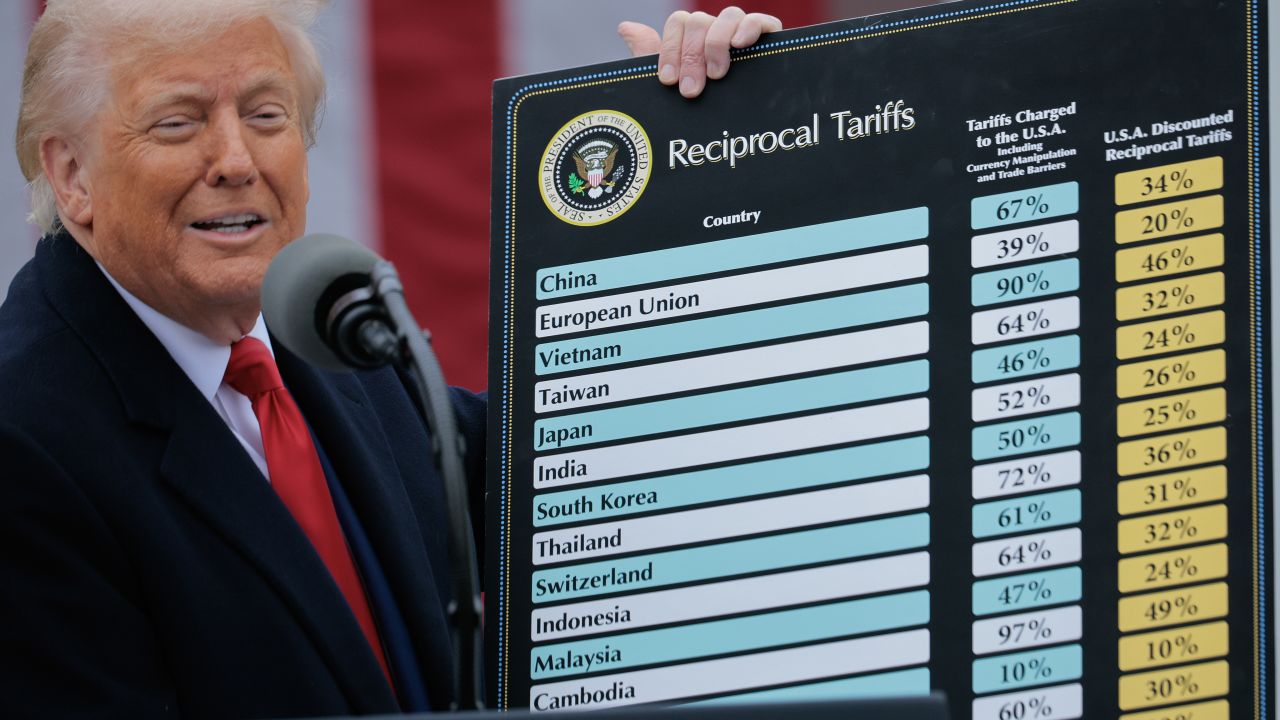
The white-knuckle ride of global trade just hit a massive speed bump. If you've been watching your supply chain costs spiral or wondering why your favorite imported goods suddenly cost a fortune, you aren't alone. A federal court just handed a major defeat to the administration, ruling that the 10% global tariff campaign is basically an illegal power grab.
On May 7, 2026, the US Court of International Trade threw a wrench in the gears of the "universal baseline tariff" strategy. In a 2-1 decision, a three-judge panel said the administration can't just use a 1974 trade law as a blank check to tax every single thing that crosses the border. It's a win for the rule of law, sure, but it’s an even bigger win for the small businesses and state governments that haven't been able to breathe under these costs.
The Legal Meltdown of the Global Tariff
You can't just call everything an emergency and hope the courts don't notice. That’s essentially what the court told the White House this week. The judges ruled that the proclamation signed to impose these duties was "invalid" and "unauthorized by law."
This isn't the first time this strategy has hit a wall. Back in February 2026, the Supreme Court already gutted the use of the International Emergency Economic Powers Act (IEEPA) for tariffs in the Learning Resources, Inc. v. Trump case. After that loss, the administration tried to pivot. They attempted a "work-around" using different statutory authorities to keep that 10% global rate alive.
The court just called "time" on that play. They granted an injunction specifically to the state of Washington and a group of small business plaintiffs. The majority opinion was blunt. They argued that the public interest is best served by a permanent injunction because the president overstepped the specific powers Congress actually granted.
Who Actually Wins Here
If you’re a business owner in Washington state, you're likely popping champagne today. But if you’re anywhere else, the situation is... complicated.
Because of how these court cases work, the injunction is relatively narrow. It blocks the 10% tariffs for the specific plaintiffs in the case and for the state of Washington. For everyone else, the tariffs might still be collected while the legal dust settles. Here's what's happening on the ground:
- Washington State Importers: You're looking at an immediate reprieve. The court basically told Customs and Border Protection (CBP) to stop the bleeding.
- Small Business Plaintiffs: These companies proved that the "blanket" nature of the tariff was killing their margins. They get an out.
- The Rest of the US: You're still stuck in limbo. Expect a flood of "me-too" lawsuits in the coming weeks as other states and trade groups try to ride the coattails of this ruling.
I've seen this movie before. When one court finds a policy illegal, the floodgates open. The administration will appeal, but the legal foundation for a "universal" tariff is looking like Swiss cheese right now.
Why This Ruling Matters for Your Wallet
Let's talk real numbers. Tariffs aren't paid by the exporting country—they're paid by the American company bringing the goods in. That cost always, 100% of the time, trickles down to you.
When a 10% tariff hits a $5,000 shipment of electronics or industrial parts, that’s $500 gone from a small business's cash flow. Multiply that by every shipment for a year, and you see why people are suing. The court acknowledged this "irreparable harm." They realized that once this money is sucked into the government's coffers, getting it back through the federal refund process—often called the CAPE system—is a bureaucratic nightmare that can take years.
The Section 232 and 301 Trap
Don't think for a second that this means all tariffs are disappearing. The administration still has a few clubs in its bag. While the global 10% baseline is under fire, sector-specific tariffs are still very much alive.
- Section 232: These are the "national security" tariffs. They still apply to things like steel, aluminum, and certain car parts.
- Section 301: These are the "unfair trade practice" tariffs, mostly targeting China. These haven't been touched by this specific ruling.
The court's decision is specifically about the broad, universal application of tariffs across all countries and all goods. It’s a rejection of the idea that the president can unilaterally reset the entire global trade map without a specific mandate from Congress for each category.
What You Should Do Now
If you're importing goods, don't just sit there and keep paying. The legal landscape just shifted under your feet.
- Check your "Importer of Record" status: If you're the one paying the duties, you need to talk to your customs broker immediately.
- Preserve your records: If these tariffs are eventually ruled illegal nationwide, you'll need every single scrap of paper to claim a refund through the CAPE portal.
- Watch the appeals: The White House is definitely going to fight this. We could see a stay on this ruling within days, which would put the 10% back in place while the higher court reviews it.
- Diversify your sourcing: Even if the 10% goes away, the administration is already looking at Section 122 (balance of payments) as a backup. The era of "free trade" is in the rearview mirror.
Honestly, the mess isn't over. But for the first time in months, the "tariff-everything" strategy has been told "no" by a court that actually has the power to stop it.