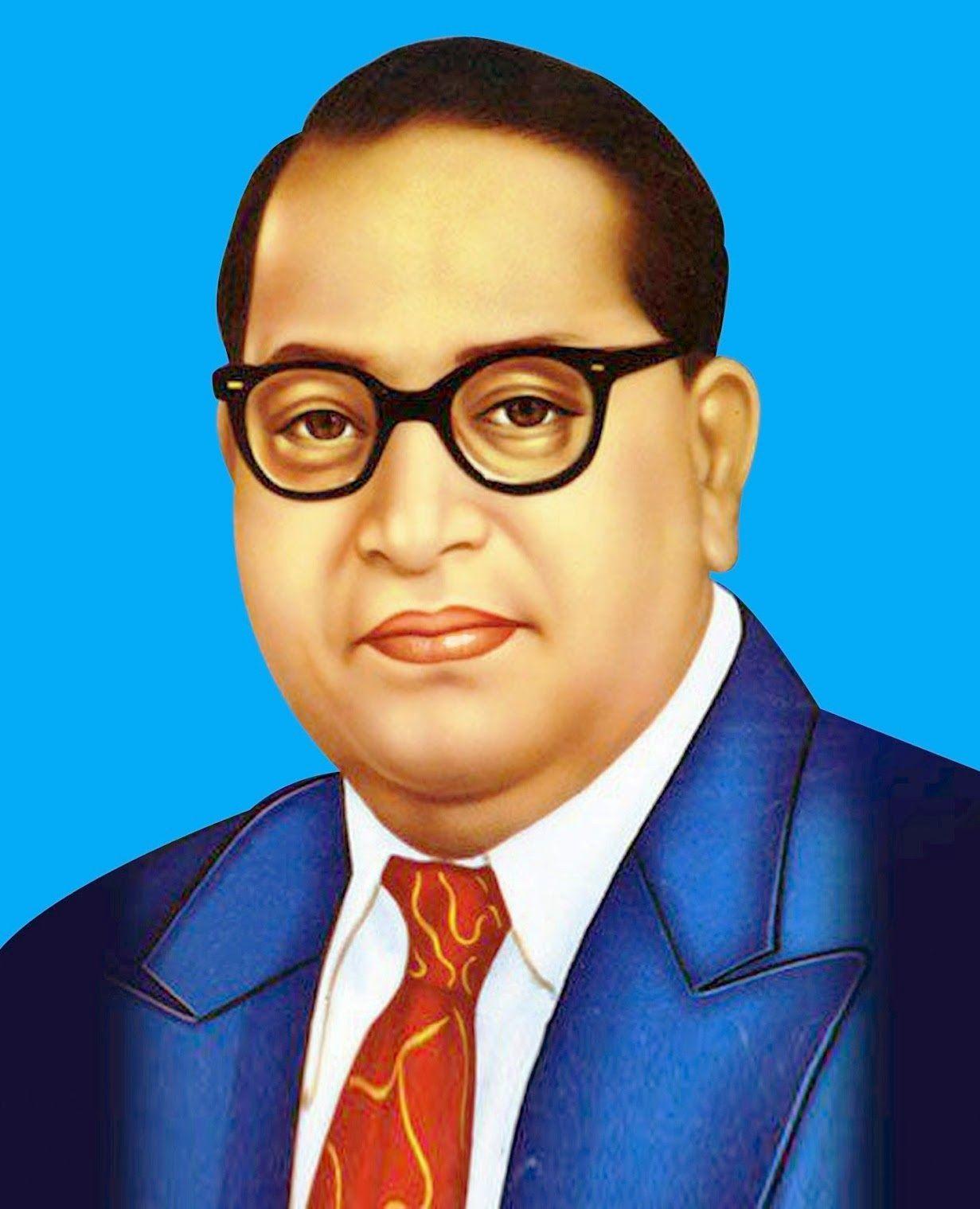
Civil servants love a good photo op. They love the sterile, air-conditioned halls of the United Nations even more. When news broke that a Haryana IAS officer was "reviving" B.R. Ambedkar’s global vision at the UN, the praise was instantaneous and shallow. It’s a classic script: a high-ranking bureaucrat delivers a speech, references a historical titan, and the media treats it like a tectonic shift in diplomacy.
It isn't. It’s an exercise in brand management.
Ambedkar was a radical economist and a fierce legal mind who didn't just talk about change; he engineered the foundation of a nation. To suggest his vision needs "revival" via a standardized UN panel is to misunderstand the man and the math. We are witnessing the sanitization of a revolutionary. By framing Ambedkar’s work as a "global vision" for international forums, we strip away the grit of his domestic struggle and replace it with palatable, bureaucratic buzzwords.
The Myth of Global Scalability
The "lazy consensus" suggests that if an idea works for the Indian Constitution, it should be the blueprint for global governance. This is a fundamental misunderstanding of how power scales. Ambedkar’s genius lay in his hyper-specificity. He wasn't solving for "global humanity" in the abstract; he was solving for the systemic exclusion of the Dalit community within a specific, rigid caste hierarchy.
When you take those principles and try to "globalize" them at the UN, you lose the teeth. The UN is built on the principle of state sovereignty—the very thing Ambedkar often had to challenge to ensure individual rights. You cannot export a radical agenda through a system designed to maintain the status quo of nations.
- The Specificity Trap: Global policies require consensus. Consensus requires compromise. Compromise is where radical reform goes to die.
- The Bureaucratic Filter: When an IAS officer speaks at the UN, they aren't speaking as a reformer. They are speaking as a representative of a state. The conflict of interest is baked into the job description.
The IAS Paradox: Reformers or Gatekeepers?
I’ve seen this play out in various iterations across the public sector. A bright, well-meaning official tries to use a global platform to signal virtue back home. It’s a feedback loop that accomplishes very little for the person on the ground in rural Haryana.
The Indian Administrative Service (IAS) is a colonial leftover designed for stability, not disruption. Ambedkar, conversely, was the ultimate disruptor. Using his name to bolster the prestige of a career bureaucrat is an irony that seems to escape most commentators. If we want to honor Ambedkar’s vision, we don't need more speeches in Geneva or New York. We need the dismantling of the very "Lutyens" culture that prioritizes prestige over performance.
Imagine a scenario where the energy spent on international summits was redirected into perfecting the local delivery of justice. Instead of a "global vision," we need a "local reality." The UN didn't build the schools or the legal protections that Ambedkar fought for. Local activists and relentless legal pressure did.
Real Data vs. Diplomatic Flourish
Let’s look at the numbers. The UN’s Sustainable Development Goals (SDGs) are often cited in these speeches as the modern vessel for Ambedkar’s ideals. But if you analyze the $17$ goals, you’ll find they are notoriously broad.
$$\text{Impact} = \frac{\text{Intent}}{\text{Bureaucracy}^2}$$
In this informal equation, as the layers of administration (UN, Federal, State, Local) increase, the actual impact on the marginalized individual approaches zero. Ambedkar’s work was about reducing that denominator. He wanted direct, constitutional guarantees. Global "visions" do the opposite; they add layers.
The competitor article treats the UN speech as a milestone. In reality, it’s a vanity metric. True E-E-A-T (Experience, Expertise, Authoritativeness, Trustworthiness) in social reform isn't found in a transcript from a high-level meeting. It’s found in the case files of labor courts and the literacy rates of the most oppressed districts.
The Commercialization of Caste Equity
There is a growing "industry" around social justice that mimics the corporate ESG (Environmental, Social, and Governance) movement. It’s a way for institutions to signal they are "on the right side of history" without actually changing their hiring practices or power structures.
- Symbolic Appropriation: Using Ambedkar’s image to grant legitimacy to institutions that remain largely homogenous.
- Intellectual Softening: Focusing on Ambedkar the "visionary" while ignoring Ambedkar the "angry critic of the state."
- The International Circuit: High-flying civil servants using these platforms to build personal brands for post-retirement roles in NGOs or international bodies.
If you are an investor, a policy-maker, or a citizen, don't be fooled by the polish. The "vision" isn't revived by a speech; it’s revived when the person delivering the speech is willing to risk their career to challenge the very system that sent them to the UN in the first place.
Stop Asking the UN to Fix Local Problems
People often ask: "How can the UN help solve India’s social issues?"
The answer is: It can't. And it shouldn't.
The UN is a forum for inter-state negotiation. Social justice is a struggle for intra-state rights. By looking toward global bodies to validate domestic icons, we are essentially asking for a permission slip from the international community to value our own reformers. It’s a psychological holdover from a colonial mindset—seeking the "Great White Hall"’s approval for a home-grown genius.
Ambedkar didn’t need the UN’s predecessor (the League of Nations) to tell him he was right. He used the sharpest tools of Western law to dismantle the prejudices of his own society. That is the blueprint. Not a PowerPoint presentation in a room full of people wearing $3,000$ suits.
The Cost of the "Global Vision" Narrative
The downside of this contrarian view is obvious: it feels cynical. It’s easier to celebrate a "win" at the UN than to admit that our institutions are still failing the core of Ambedkar’s mission. But the danger of the "global vision" narrative is that it provides a false sense of progress.
When we see an IAS officer at the UN, we think, "We’ve made it."
We haven't.
We’ve just learned how to market our struggles better.
True Ambedkarite practice would be to audit the IAS itself—to ask why, after decades of reservations, the top echelons of power still look nothing like the people they represent. That conversation is uncomfortable. It doesn't get you an invite to New York. It gets you sidelined.
The Actionable Truth
If you want to "revive" a vision, don't look at the sky; look at the floor.
- Ditch the Summits: If you are a leader, stop valuing "international exposure" over local efficacy. A bureaucrat who fixes a broken school system in a single block is doing more for Ambedkar’s legacy than any diplomat.
- Audit the Gatekeepers: Look at the institutions claiming to uphold these values. If their leadership doesn't reflect the diversity Ambedkar fought for, the "vision" is just a mask.
- Fund the Radicals, Not the Reporters: The real work is being done by small, underfunded legal aid clinics, not by people writing press releases about UN panels.
Ambedkar’s vision was never about a seat at the global table. It was about breaking the table and building a new one where everyone could finally sit. The UN is just an old table with better tablecloths.
Stop celebrating the speech. Start counting the results.