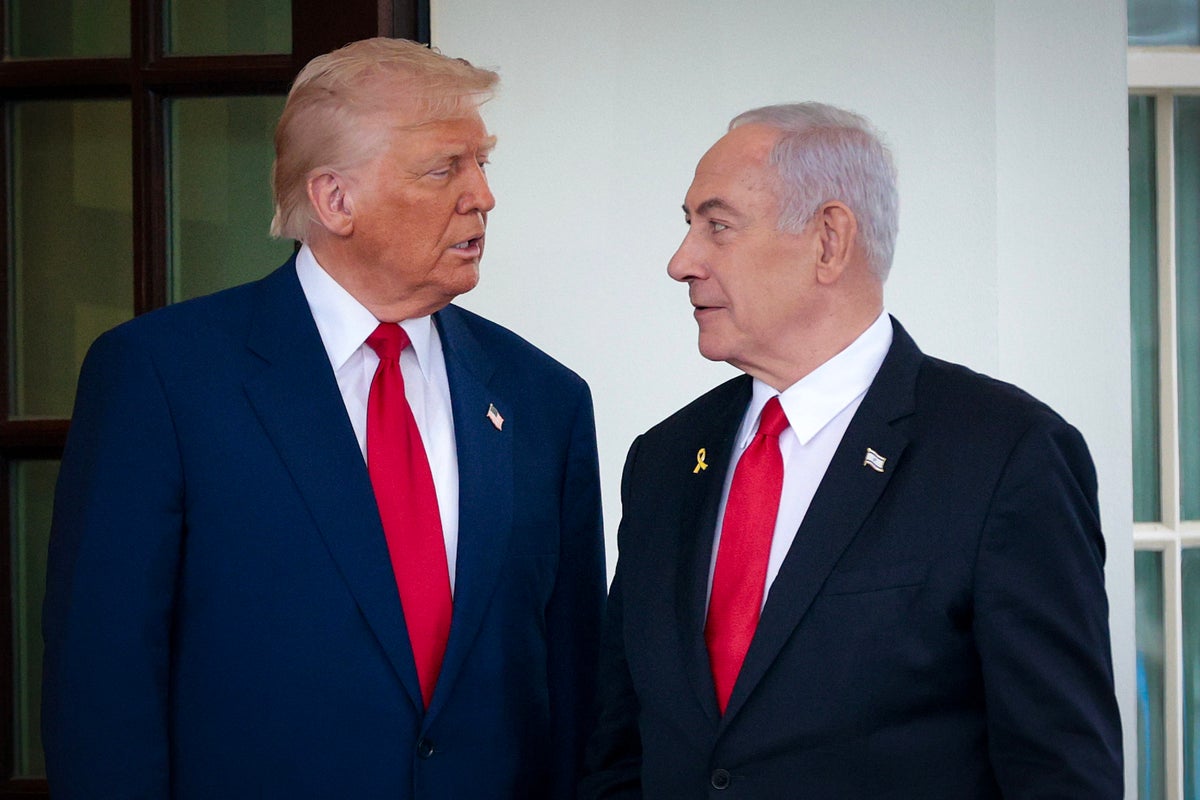
Donald Trump’s attempt to orchestrate a rapid-fire resolution to the month-long conflict with Iran hit a brick wall this week. On Wednesday, the White House confirmed that a 15-point ceasefire proposal, dispatched through Pakistani intermediaries, was met with a blunt rejection from Tehran. This is not merely a diplomatic hiccup; it is a calculated show of defiance from a regime that has watched its traditional military capabilities—its navy and air force—suffer immense damage under four weeks of U.S. and Israeli bombardment, yet refuses to fold.
The mismatch in expectations is staggering. While the Trump administration touts its plan as a generous off-ramp, the Iranian leadership, now increasingly influenced by the hardline rhetoric surrounding Mojtaba Khamenei, views the terms as a demand for total surrender. Tehran’s counter-proposal is not a negotiation; it is an invoice. They are demanding war reparations, a formal recognition of their sovereignty over the Strait of Hormuz, and a cessation of all “assassinations” before a single official sits at a table.
The 15 Points of Contention
The American proposal, described by some regional officials as "maximalist," seeks the complete dismantling of Iran’s nuclear infrastructure. This includes the decommissioning of facilities at Natanz, Isfahan, and Fordow, alongside the handover of all enriched material to the IAEA. For the Trump administration, this is the non-negotiable floor for any deal. They want the nuclear threat neutralized permanently before the first round of sanctions relief begins.
For the Iranians, these terms are a relic of a pre-war landscape. They argue that the destruction already visited upon their country necessitates a different kind of settlement. Foreign Minister Abbas Araghchi’s public stance—that "resistance" is the only current policy—reflects a tactical decision to keep fighting until the cost of the war for the West becomes politically untenable.
The Strait of Hormuz as a Financial Weapon
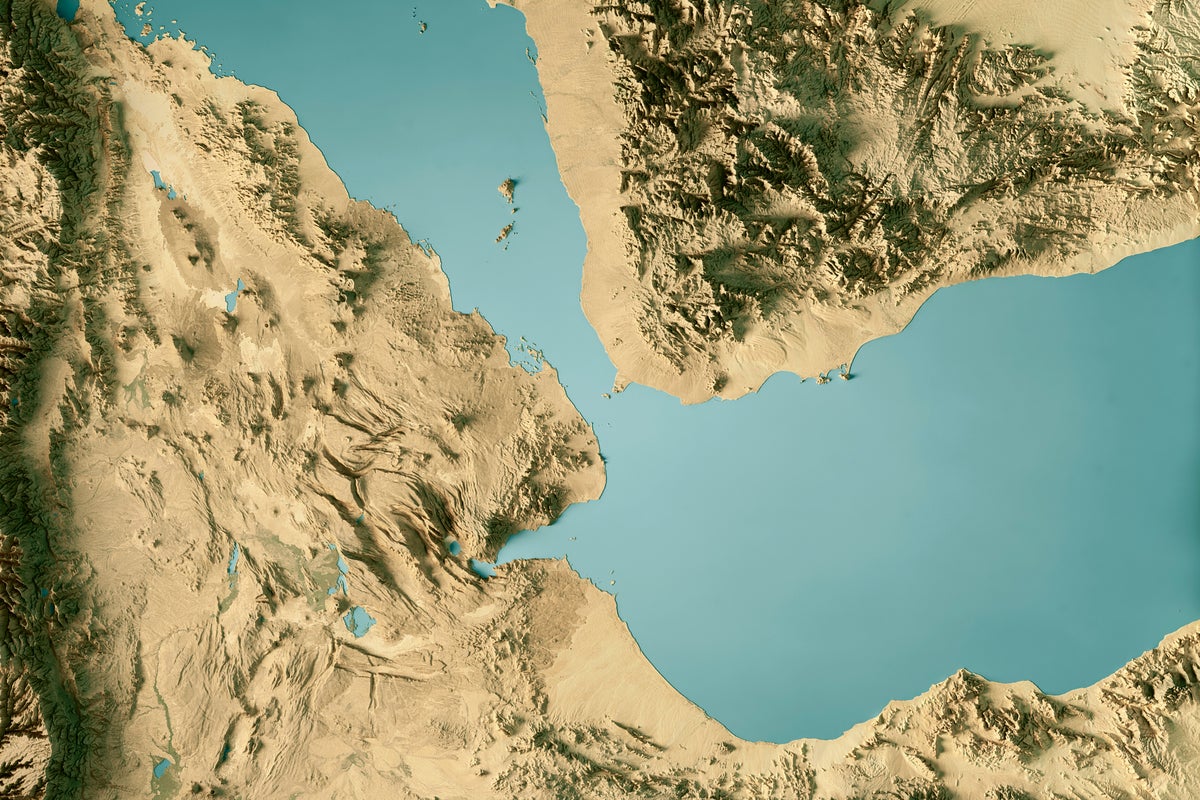
A significant shift in the Iranian strategy involves the monetization of the Strait of Hormuz. No longer just a strategic chokepoint to be closed in times of war, the waterway is being rebranded as a revenue stream. Iranian state media has suggested a "strategic package" where vessels are charged for passage based on their "degree of cooperation" with the "aggressors."
- Non-hostile vessels: Allowed passage if they meet strict security regulations and coordinate with Iranian authorities.
- Hostile entities: U.S. and Israeli-flagged ships are barred entirely, with the suggestion that one sanction must be lifted for every single passage allowed in the future.
- The Compensation Factor: Tehran is floating a reconstruction tax of up to $50 per barrel on regional oil to fund the rebuilding of its shattered infrastructure.
This move to treat the world's most vital energy artery as a private toll road is a gamble. It targets the global economy directly, betting that soaring fuel prices will eventually force Trump’s hand. In the United States, fuel prices are already a political liability, contributing to a dip in the President's approval ratings.
The Shadow of Previous Failures
The current impasse is haunted by the collapse of negotiations in 2025. Those talks, held in Muscat and Rome, ended abruptly when military strikes targeted Iranian nuclear sites. The Iranians now cite those events as proof that American diplomacy is often a prelude to escalation.
This deep-seated mistrust explains why Tehran is using intermediaries like Pakistan, Turkey, and Egypt rather than engaging in direct dialogue. While Trump maintains that his team—including Jared Kushner and Marco Rubio—is "dealing with the right people," the official line from Tehran remains that no direct talks have occurred. This allows the Iranian leadership to maintain a facade of total resistance for its domestic audience while still keeping a back door open for survival.
The Ground War Specter
While the air campaign continues, the threat of a ground invasion looms over the negotiations. Reports of U.S. Marines and paratroopers mobilizing toward the region suggest a preparation for a more intensive phase of the conflict. Specifically, the focus appears to be on Kharg Island and other key energy hubs.
The Iranian response to this threat is grim. Diplomats indicate that Tehran has warned it will "carpet-bomb its own territory" to repel any landing party. This scorched-earth doctrine is designed to signal that a ground war would not be a surgical operation but a prolonged bloodbath. It is a message meant for the American public as much as the White House.
The conflict has moved beyond simple territorial or nuclear disputes. It is now a contest of endurance between a superpower that wants a quick, decisive "win" to satisfy its domestic base and a regional power that believes its only leverage is the ability to suffer and inflict economic pain. As long as Washington demands a 15-point surrender and Tehran demands an apology and a check, the missiles will continue to fly.
The White House’s "unleash hell" rhetoric may satisfy a need for strength, but in the labyrinth of Middle Eastern geopolitics, hell is often a place where nobody wins and the bill only gets higher.
Ask your local representative about the current status of the Strategic Petroleum Reserve to see how much more of this economic pressure the domestic market can withstand.