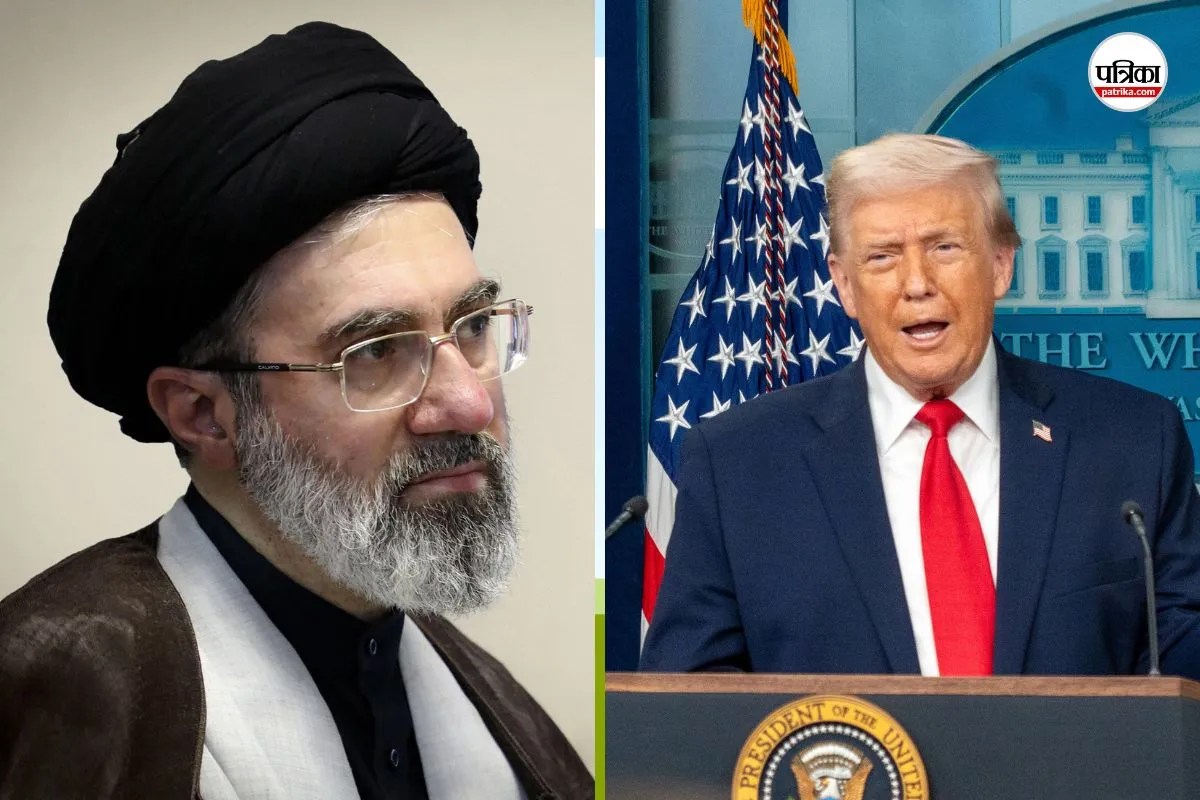
Iran is signaling a radical shift in its diplomatic calculus by offering direct negotiations with the United States while simultaneously distancing itself from its traditional reliance on Pakistan. This move is not a sign of desperation but a calculated gamble to secure a seat at the table before a second Trump administration resets the geopolitical board. By setting new conditions that bypass regional intermediaries, Tehran is effectively telling the world that it no longer views Islamabad as its primary gateway to Western engagement.
The shift stems from a cold realization in Tehran. For years, the Iranian leadership utilized Pakistan’s proximity and shared borders as a buffer and a diplomatic channel. However, the changing winds in Washington have made that channel obsolete. Donald Trump’s previous "maximum pressure" campaign left scars, but it also established a precedent for transactional diplomacy. Iran’s latest overtures suggest they are ready to skip the middleman and deal with the source of their economic strangulation directly.
The Pakistan Pivot and the Cost of Neutrality
Pakistan finds itself in a precarious position as its neighbor shifts focus. For decades, Islamabad tried to balance its relationship with Saudi Arabia, the United States, and Iran. This balancing act was often profitable, positioning Pakistan as a vital regional power. But the "shock" mentioned in recent diplomatic circles refers to Iran’s sudden lack of interest in Pakistan’s mediation.
Iran has observed Pakistan’s internal economic turmoil and its increasing dependence on IMF bailouts and Western approval. To the pragmatic thinkers in Tehran, a partner who is beholden to your adversary is not a partner; they are a liability. By sidelining Pakistan, Iran is attempting to demonstrate to the Trump team that it is a sovereign actor capable of making independent concessions without the baggage of South Asian regional politics.
The New Terms of Engagement
The conditions Iran is placing on the table are far more specific than previous broad demands for sanction relief. They are focusing on localized security guarantees and energy independence. Specifically, Tehran is hinting at a willingness to discuss its ballistic missile program—a previous non-starter—if the U.S. acknowledges Iran’s role as a primary energy hub for Eurasia.
This is where the "final deal" takes shape. It is less about a grand nuclear bargain and more about a regional security framework that recognizes Iran’s sphere of influence. The "where" of this deal is likely to be a neutral ground like Oman or Switzerland, but the "what" is a complete overhaul of how the U.S. views the Middle East power structure.
Why Trump is the Preferred Negotiator
It sounds counterintuitive. Trump exited the JCPOA and ordered the strike on Qasem Soleimani. Yet, the Iranian establishment often prefers a "strongman" archetype. They understand the language of leverage and direct deals. Unlike the Biden administration’s emphasis on multilateralism and human rights rhetoric—which Tehran finds unpredictable and intrusive—Trump’s approach is seen as strictly business.
If the price is right, Trump will deal. Iran knows this. They are betting that Trump’s desire to "end endless wars" and his skepticism of traditional alliances will make him more likely to sign off on a deal that keeps Iran in its box while allowing it to sell oil.
The Economic Desperation Factor
We cannot ignore the reality of the Iranian rial. The currency has plummeted, and the middle class is evaporating. The Iranian leadership is facing internal pressure that rivals the external pressure from sanctions. Reaching out to the U.S. is a survival tactic.
They are using the threat of a nuclear breakout as their primary bargaining chip. It is a high-stakes game of chicken. By claiming they are ready to talk, they are attempting to freeze further sanctions before they can be implemented by a new administration. They are buying time with rhetoric.
Pakistan’s Strategic Loss
For Islamabad, this is a nightmare scenario. If Iran and the U.S. reach even a cold peace, Pakistan’s strategic depth vanishes. They lose their status as the essential broker. Furthermore, the Iran-Pakistan gas pipeline—a project that has been stalled for years due to U.S. sanction threats—becomes a moot point if Iran finds a way to export its energy through Western-approved channels.
The snub to Pakistan is also a message to China. Iran is showing that while it values its 25-year strategic pact with Beijing, it is not a Chinese satellite. It is an ancient power looking to restore its status on the global stage, even if that means shaking hands with the "Great Satan."
The Logistics of the Final Deal
Where will this happen? Not in Washington or Tehran. The eyes of the diplomatic world are on Muscat. Oman has served as the quiet room for these two enemies before, and it is the most logical site for a finalization of terms. The deal will likely be incremental. Small "wins" for Trump, such as prisoner releases or a temporary halt on enrichment, in exchange for specific, limited sanction waivers.
This isn't about friendship. It is about the cold, hard reality of power. Iran has realized that the path to its own security no longer runs through the mountains of Pakistan, but through the boardroom of Mar-a-Lago.
The Mirage of Sovereignty
Iran’s new conditions are a gamble on American isolationism. They believe that the American public is tired of the Middle East and that a deal—any deal—that prevents another war will be sold as a victory. But this ignores the deep-seated institutional distrust of Iran within the U.S. intelligence community and among key regional allies like Israel.
The "deal" Iran wants is one where they remain the dominant regional power while the U.S. looks the other way. It is a tall order. By pushing Pakistan aside, they have removed one layer of protection. If the negotiations fail, they are more exposed than ever before. There is no longer a buffer. There is only the direct confrontation they claim to want to avoid.
The geopolitical landscape is shifting under our feet. Pakistan is being left behind in a world where direct, transactional diplomacy is the only currency that matters. Iran has signaled its move. The ball is now in the court of a transition team in Florida that is notoriously difficult to predict.
Tehran is bettting everything on the idea that for Donald Trump, the art of the deal is more important than the history of the conflict.