You’d think a $24 billion defense package would be cause for celebration in Taipei. It isn't. Not entirely. While Taiwan’s legislature finally pushed through a special budget on May 8, 2026, the deal is missing some of the most critical pieces of the puzzle. The U.S. State Department didn't mince words about it either, calling further delays a "concession" to the Chinese Communist Party.
When Washington uses the word "concession," they aren't talking about a polite compromise. They're talking about a strategic surrender of ground. By trimming the budget from President Lai Ching-te’s original $40 billion request down to $24 billion, Taiwan’s opposition-controlled parliament has effectively prioritized American hardware while gutting the island’s homegrown defense industry.
The gap between buying and building
The new budget focuses almost exclusively on U.S.-made weapons like HIMARS rocket systems and Javelin missiles. These are great for a fight, but they don't cover the full "T-Dome" air defense system Taiwan actually needs. One of the biggest casualties of this budget cut is the Chiang Kung (Strong Bow) anti-ballistic missile.
Without the Strong Bow, Taiwan’s air defense is full of holes. The Ministry of National Defense (MND) has been vocal about this. They’ve warned that excluding these commercial purchases creates massive capability gaps. It’s like buying a state-of-the-art security system for your house but refusing to pay for the locks on the back door.
Why the opposition is pushing back
The Kuomintang (KMT) and Taiwan People’s Party (TPP) aren't just being difficult for the sake of it. They claim they won't sign "blank checks." They’ve raised concerns about corruption and a lack of transparency in how the $40 billion was going to be spent.
There's also the "backlog" argument. Currently, there’s a $32 billion backlog of U.S. arms that Taiwan has already paid for but hasn't received. The opposition argues that throwing more money at the problem won't make the ships or planes arrive any faster. While that logic sounds sound on paper, it ignores the signal it sends to Beijing.
A gift-wrapped concession for the CCP
Beijing loves a divided Taiwan. Every day that passes without a unified defense strategy is a day that China’s military, the PLA, feels more confident. The U.S. State Department’s frustration stems from the fact that these "unhelpful delays" make Taiwan look hesitant.
If you're China, you see this budget cut as a win. You see a government that can't agree on how to defend itself. You see an island that is willing to buy American "prestige" weapons but unwilling to invest in the grueling, long-term work of building domestic drones and missiles.
- Asymmetric warfare is the loser: The budget cut mostly axed the domestic drone programs.
- Domestic industry is stalling: Without this funding, Taiwan’s own defense contractors are left in the lurch.
- Economic fallout: The MND pointed out that cutting these projects hurts local job growth and tech development.
The T-Dome and the future of the Strait
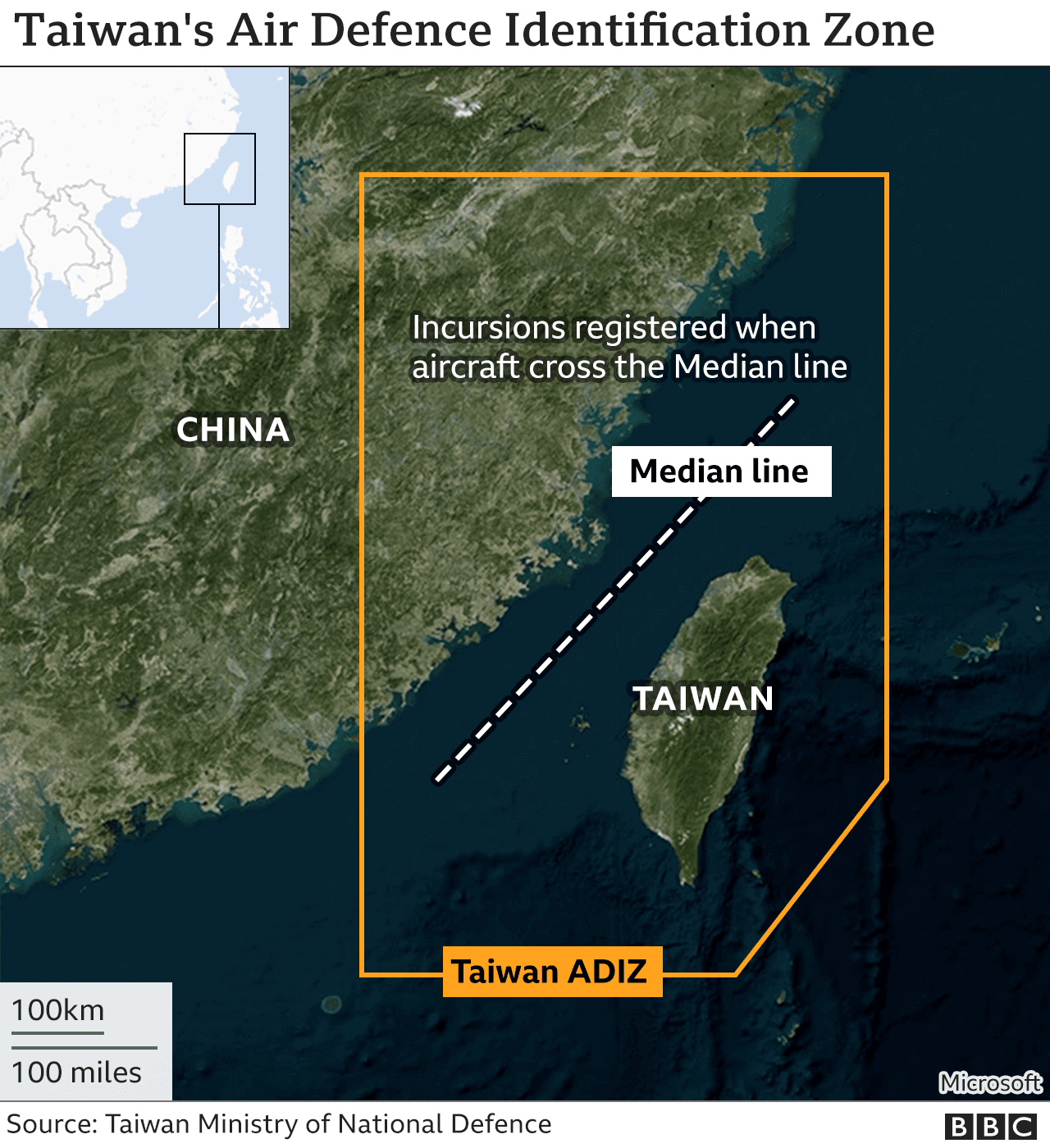
The "T-Dome" was supposed to be Taiwan's answer to China's massive missile stockpile. It’s an integrated air defense network designed to catch everything from low-flying drones to high-altitude ballistic missiles. By stripping away the funding for the Strong Bow and sea attack drones, the legislature has effectively crippled the T-Dome before it’s even fully built.
This isn't just about hardware; it's about the "will to fight." When the U.S. looks at Taiwan, they want to see a partner that is all-in. Instead, they're seeing a political stalemate that treats national security like a bargaining chip in a domestic power struggle.
What happens next
We’re in a weird spot. The $24 billion is "good enough" to keep the U.S. weapons flowing, but it’s not enough to make Taiwan truly self-sufficient. President Lai has signaled he’ll keep pushing for the remaining funds, but with an opposition-controlled legislature, he's facing an uphill battle.
If you care about the stability of the Indo-Pacific, keep your eyes on the next few months of procurement reports. Watch whether those "capability gaps" the MND warned about actually get filled through the regular annual budget, or if they just stay empty.
- Monitor the delivery timelines: Check if the $32 billion backlog actually starts moving.
- Watch the domestic drone tests: If Taiwan can't fund them, see if they start "borrowing" tech from allies instead.
- Look at the rhetoric: See if the KMT softens their stance as the 2028 election cycle begins to loom in the distance.
The reality is simple: defense delayed is defense denied. Beijing knows it, Washington knows it, and eventually, the people of Taiwan will have to decide if they know it too.