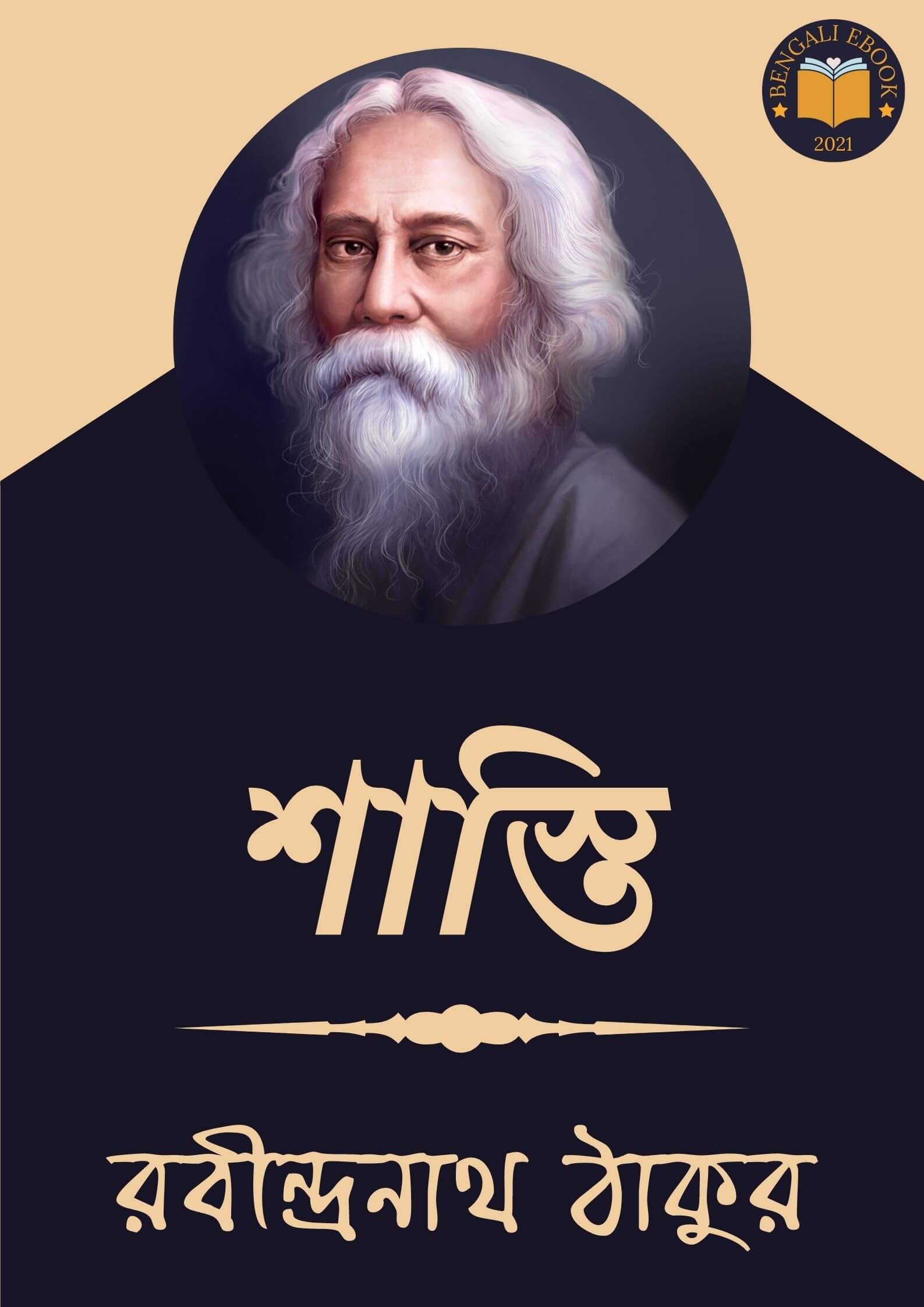
Rabindranath Tagore’s stories don't just sit on a shelf; they breathe. They provoke. When news broke that a Pakistani producer is bringing the 1893 short story Shasti (Punishment) to the silver screen, it didn't just turn heads in the film industry. It sparked a necessary conversation about shared heritage and the sheer guts it takes to adapt a Nobel laureate's most haunting work.
You’ve likely heard about the "cross-border" tension that often stifles art. Yet, here’s a project that ignores those artificial boundaries. The announcement isn't just about a movie; it’s about a narrative that feels as raw and relevant in a modern Pakistani village as it did in 19th-century Bengal. If you’re tired of the same old rom-com tropes or the predictable action flicks dominating the box office, this adaptation might be the jolt the industry needs.
Why Shasti is a Masterclass in Psychological Horror
Don't let the "period piece" label fool you. Shasti isn't some dusty historical drama. It’s a psychological thriller wrapped in a social critique. The story follows two brothers, Dukhiram and Chidam, and their wives, Radha and Chandara. One impulsive, violent act—a murder—sets off a chain of lies that spiral out of control.
The brilliance of Tagore’s original text lies in its ending. I won't spoil the gut-punch for those who haven't read it, but let’s just say it subverts every expectation of "justice." By choosing this specific story, the Pakistani production team is diving headfirst into themes of patriarchy, the fragility of truth, and the chilling ways people protect themselves at the expense of others. It's dark. It's messy. And it's exactly what cinema should explore.
The Cultural Impact of a Pakistani Producer Filming Tagore
It’s a bold move. Let's be honest about that. Taking a cornerstone of Bengali literature and translating it through a Pakistani lens is a statement. This project reminds us that great stories don't have passports. The human condition—greed, fear, and the desperation for survival—looks the same whether you’re on the banks of the Padma or the Indus.
Pakistani cinema has been undergoing a "revival" for years, but much of it has been focused on polished urban stories or nationalist epics. Taking on Shasti signals a shift toward high-concept, character-driven storytelling. It’s a gamble on the audience's intelligence. People want more than just spectacle; they want to feel something uncomfortable. They want to see their own societal flaws reflected in a mirror from a century ago.
Challenges of Adapting Tagore for Modern Audiences
Adapting a short story into a feature-length film is a tightrope walk. You can’t just stretch the plot; you have to deepen the atmosphere. Tagore’s prose is sparse but heavy with subtext. The challenge for the director and screenwriter will be capturing the "unsaid" between the characters.
- Dialogue vs. Silence: In the original story, the most powerful moments happen in the quiet spaces. The film needs to trust its actors to convey that without over-explaining everything.
- Setting the Scene: The landscape is a character in Tagore’s work. The rain, the mud, and the oppressive heat of the rural setting aren't just background noise; they drive the characters' madness.
- The Gender Dynamic: Chandara is one of the most complex female characters in literature. If the film misses her nuance, it misses the point of the entire story.
Breaking the Mold of Conventional Storytelling
Most films today try too hard to be Likable. They want you to root for the hero and hiss at the villain. Shasti doesn't give you that luxury. Every character is flawed. Every choice is compromised. This is the kind of storytelling that sticks with you long after the credits roll. It forces you to ask, "What would I do?"
The Pakistani film industry has a chance here to set a new standard. By reaching back into the shared literary history of the subcontinent, they're tapping into a goldmine of narratives that have been ignored for too long. It’s not about being "intellectual" for the sake of it. It’s about recognizing that these stories still have teeth.
What This Means for Future Subcontinental Collaborations
While this is a Pakistani production, the choice of a Bengali story by an Indian-origin author highlights a growing trend of "literary border-crossing." It proves that artists are often way ahead of politicians. They see the threads that connect us.
If this film succeeds, it could open the doors for more adaptations of Manto, Premchand, or Amrita Pritam across borders. We’re sitting on a mountain of world-class literature that’s just waiting for a camera. This project is a litmus test for whether audiences are ready for heavy-hitting, cross-cultural adaptations that don't play it safe.
How to Prepare for the Release
If you want to truly appreciate what this film is trying to do, go back to the source. Read the short story first. It’s only a few pages long, but it’ll haunt your dreams. Look for the English translation by William Radice or find a good Urdu/Punjabi version.
Once you’ve read it, pay attention to the casting announcements. The success of this film hinges entirely on the actors playing Chandara and Chidam. You need performers who can handle the weight of that ending. Keep an eye on the production design too. If it looks too clean, it’s a bad sign. It should look lived-in, sweaty, and a bit claustrophobic.
Search for the original text of Shasti online today to see why this adaptation is such a big deal. Support the filmmakers who are willing to take risks on difficult, beautiful stories instead of just chasing the next viral trend. This isn't just a movie to watch; it's a story to reckon with.