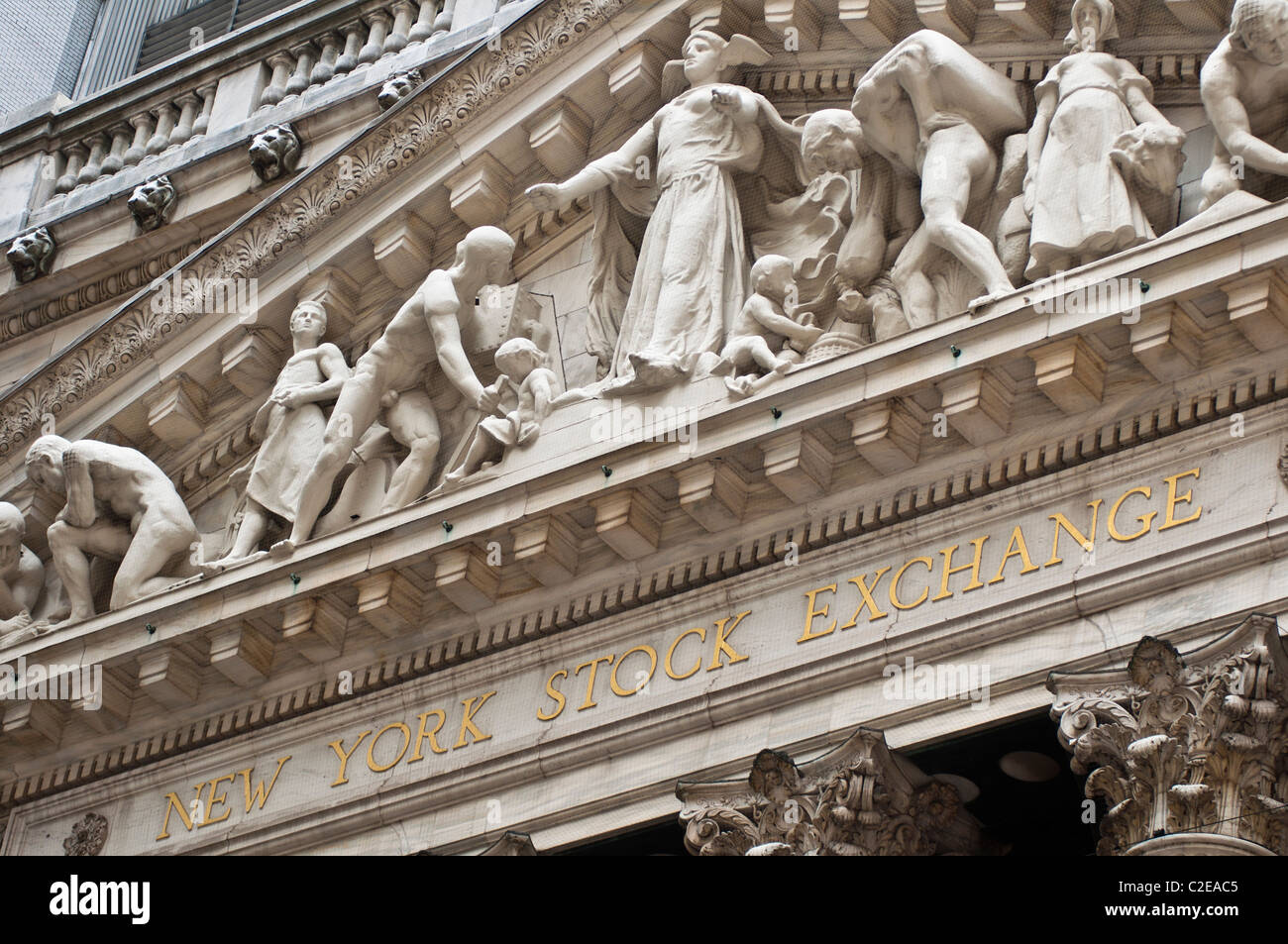
The sound of a trade floor isn't a roar anymore; it’s a digital hum, a rhythmic ticking of numbers that represents the collective patience of the world's most powerful lenders. Right now, for Nike, that ticking is getting louder. It sounds like a countdown.
For decades, the Nike headquarters in Beaverton, Oregon, operated like a sovereign nation. It didn't just sell sneakers; it sold the audacity of human potential. But walk through a retail hub in Shanghai today, and the atmosphere feels different. The air is thinner. The swagger is gone.
Investors don't care about the poetry of a "Just Do It" ad campaign when the inventory is piling up like driftwood. They are looking at a balance sheet that shows a giant struggling to find its footing on a floor it used to own.
The Ghost in the Middleman
Consider a hypothetical store owner named Elias. For twenty years, Elias ran a high-end sneaker boutique in Chicago. He was part of the "wholesale" ecosystem—the lifeblood that kept Nike visible in every neighborhood. Then, a few years ago, Nike decided Elias and thousands like him were no longer necessary.
The strategy was called Direct-to-Consumer (DTC). The idea was simple: cut out the middleman, keep the profit, and own the data.
Nike pulled its products from local shelves and tried to force everyone onto their SNKRS app. It worked. Until it didn't. By severing ties with the local shops that built the brand's street credit, Nike created a vacuum. Nature, and the footwear market, abhors a vacuum. While Nike was busy perfecting its app interface, brands like Hoka and On Running were quietly sliding into the shelf space Nike left behind.
Investors are realizing that the "direct" dream might have been a mirage. Without the retailers to act as a buffer and a discovery engine, Nike is left shouting into a megaphone at a crowd that has already started looking at other stages.
The Great Wall of Indifference
The heartbeat of Nike’s growth was supposed to be China. It was the infinite frontier. But the China of 2026 isn't the China of 2016.
The weakness in the Chinese market isn't just about a slowing economy; it’s about a shifting soul. There is a rising tide of "Guochao"—a movement where Chinese consumers, particularly the younger generation, are prioritizing domestic brands like Li-Ning and Anta over Western icons.
The Swoosh used to be a status symbol that transcended borders. Now, it’s being viewed as a legacy brand, something their older brothers wore. To make matters worse, the macroeconomic pressure in the region has turned casual shoppers into skeptics. When a consumer in Beijing decides to save rather than spend, the ripples are felt in the portfolios of every major hedge fund in Manhattan.
The numbers are stark. Sales growth in Greater China has cooled to a degree that makes analysts sweat. It isn't a dip. It’s a trend line that looks like a slide.
The Product Problem
Then there is the shoes themselves.
If you strip away the marketing, Nike is an innovation company. At its best, it gave us the Waffle Trainer, the Air Max, and the Flyknit. But lately, the innovation pipeline feels clogged. The brand has leaned heavily on "retroing" old hits—releasing the same Jordan 1s and Dunks in slightly different shades of "Forest Green" or "University Blue."
The hype machine is running out of steam. You can only sell nostalgia for so long before the customer asks, "What have you done for me lately?"
In the absence of a new, revolutionary silhouette, the market has become fragmented. Performance runners are flocking to brands that focus on biomechanics over lifestyle aesthetics. The "dad shoe" trend was captured by New Balance. The "technical trail" trend was seized by Salomon. Nike, once the predator that hunted every category, now looks like it’s being nibbled to death by specialized competitors.
The Price of a Turnaround
Wall Street is a place where "patience" is a commodity that is traded just like oil or gold. And the supply is running low.
John Donahoe, the CEO tasked with steering this massive ship, is facing the reality that turnarounds in the apparel world don't happen in a fiscal quarter. They take years. You have to design new products, which takes eighteen months. You have to rebuild broken relationships with wholesalers, which takes even longer. You have to win back the hearts of teenagers in Shanghai who think your brand is "fine" but not "cool."
Every time Nike misses an earnings target or lowers its guidance, the "sell" buttons start glowing. The stock price isn't just a number; it’s a scoreboard. And right now, Nike is trailing in the fourth quarter.
The invisible stakes are the thousands of employees in Beaverton and the millions of fans worldwide who want to believe that the magic is still there. They want to believe that the company can still catch lightning in a bottle. But the market doesn't trade on magic. It trades on momentum.
When that momentum stops, the silence is deafening.
The boardroom lights stay on late into the night. There are spreadsheets spread across mahogany tables, filled with projections about "rebalancing the marketplace" and "optimizing the digital funnel." But the solution isn't in a spreadsheet. It’s in the dirt of a track, the hardwood of a court, and the pavement of a city street.
Nike has to remember how to move. Not just as a corporation, but as a runner who has hit the wall and has to decide if they have one more kick left in them.
The crowd is starting to head for the exits. The stadium is getting quiet. The athlete is standing at the starting line, looking down at his shoes, wondering if they still have the power to make him fly.
The world is watching. And the world is tired of waiting.