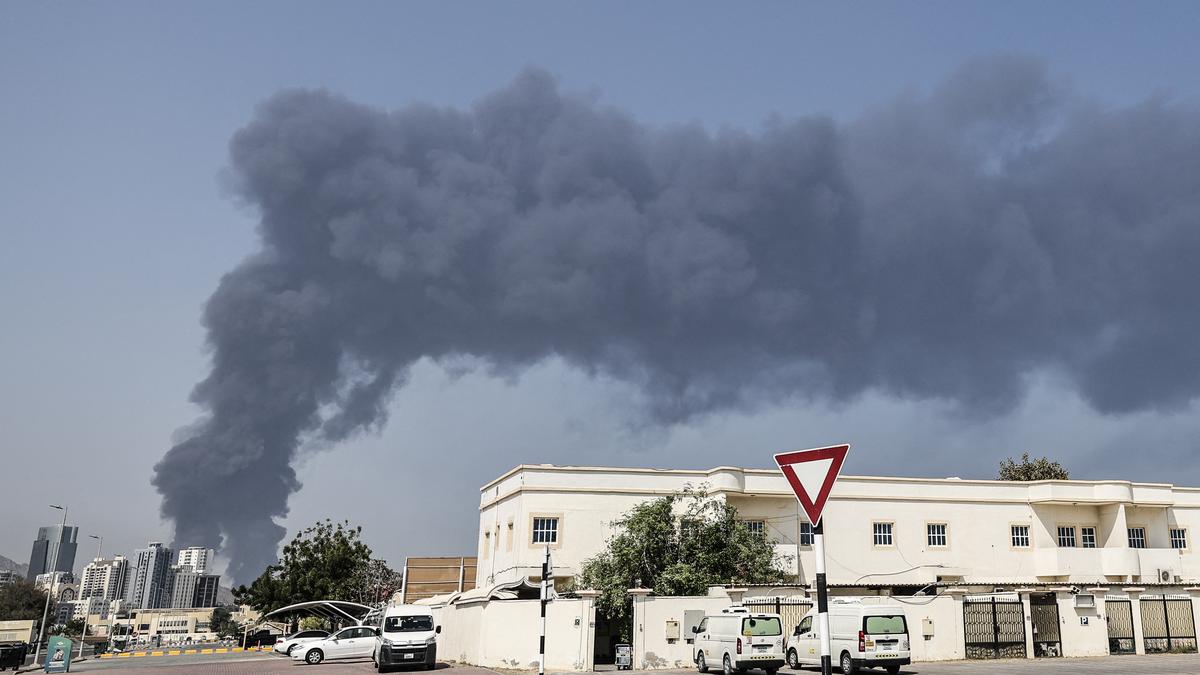
The headlines are screaming about a "sulphur squeeze" caused by geopolitical instability in the Middle East. They want you to believe that a conflict in Iran will choke the life out of global industry, skyrocketing the cost of everything from fertilizer to lithium-ion batteries.
They are wrong.
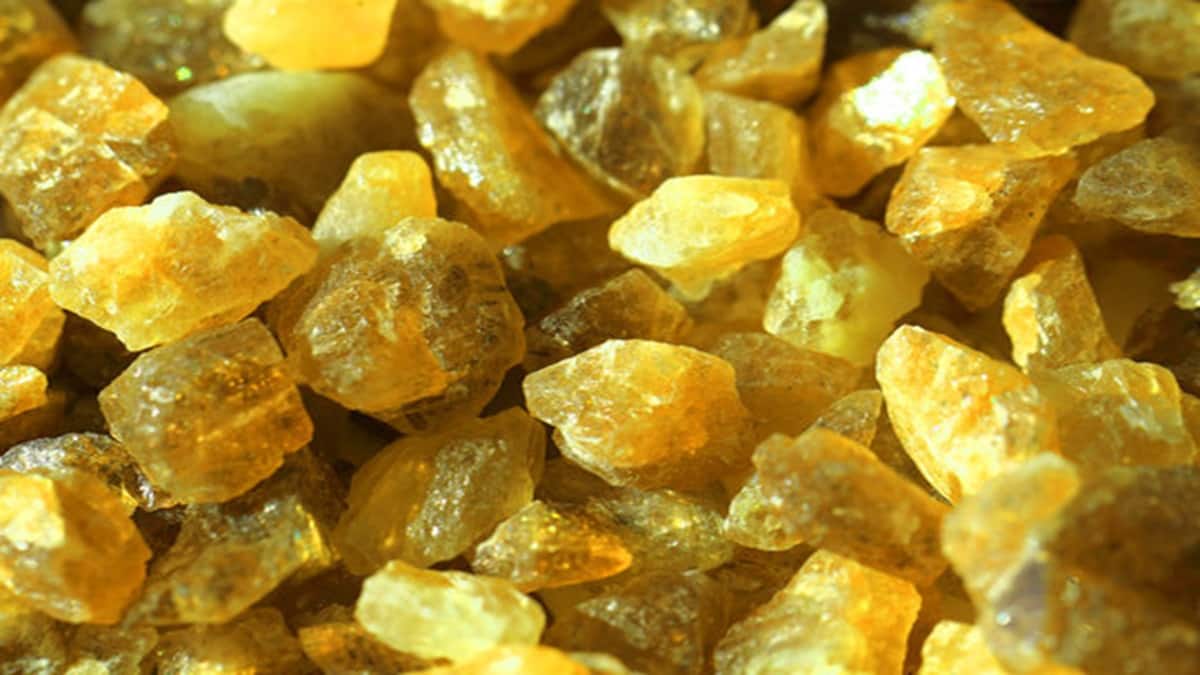
Most analysts are reading a 2010 map in a 2026 world. They are obsessed with the Strait of Hormuz because they still view sulphur as a primary commodity. It isn't. Sulphur is a waste product. It is the unwanted hitchhiker of the fossil fuel industry. As long as the world remains addicted to hydrocarbons, we aren't running out of sulphur; we are drowning in it.
If your supply chain is failing, it isn't because of a war in Iran. It’s because your procurement team is stuck in a linear mindset that ignores the massive structural shifts in global desulphurization.
The Waste Product Paradox
The fundamental misunderstanding of the sulphur market lies in its origin. Unlike copper or gold, you don’t go out and mine for sulphur—at least, not if you want to stay solvent. Over 90% of the world's elemental sulphur is recovered during the refining of oil and the processing of "sour" natural gas.
When people talk about a "supply squeeze," they assume that a disruption in Iranian exports creates a vacuum. This ignores the reality of involuntary production.
Refineries do not stop producing sulphur because the price is low or because a trade route is blocked. They produce it because they have to remove it to sell their primary products: gasoline, diesel, and jet fuel. If they don't remove the sulphur, they violate environmental regulations and destroy their equipment.
The "squeeze" isn't a lack of material. It’s a logistical bottleneck created by companies that refuse to diversify their sourcing beyond the cheapest, most volatile regions. If you are reliant on Middle Eastern prilled sulphur, you aren't a victim of geopolitics; you are a victim of poor math.
The China Buffer No One Mentions
The competitor narrative ignores the elephant in the room: China's massive internal shift. While the West frets over Middle Eastern shipments, China—the world’s largest sulphur importer—has been aggressively ramping up its own recovery capabilities.
As China processes more high-sulphur crude from Russia and South America, its domestic "waste" production is hitting record highs. This creates a massive global buffer. When Chinese imports drop because they are fulfilling their own needs, that "disrupted" Middle Eastern supply has fewer places to go.
I’ve seen procurement officers at multi-billion dollar firms panic-buy spot shipments at a 30% premium because they saw a "Breaking News" ticker about Tehran. They didn't bother to check the inventory levels in Ningbo or the ramp-up of gas processing in the Caspian. They paid a "fear tax" for a shortage that existed only on paper.
The Fertilizer Fallacy
The argument usually goes like this: "Sulphur is essential for sulphuric acid, which is essential for phosphate fertilizers. Therefore, war equals global famine."
It’s a neat, terrifying story. It’s also incredibly lazy.
We are currently seeing a radical shift in how phosphate is processed. The industry is moving toward "closed-loop" systems where sulphuric acid is recovered and reused. Furthermore, the rise of biological fertilizers and precision agriculture is decoupling crop yields from raw chemical volume.
The idea that a temporary spike in sulphur prices will collapse global food security ignores the massive efficiency gains in the sector. High prices are actually the best thing that can happen to the industry—they force the transition away from wasteful, 20th-century application methods.
The Battery Tech Diversion
Then there’s the "Green Energy" angle. Analysts love to claim that the transition to Electric Vehicles (EVs) will create an insatiable demand for sulphur to process nickel and cobalt.
Here is the cold truth: the battery industry is moving away from high-pressure acid leaching (HPAL) where possible because it’s an environmental nightmare. Lithium Iron Phosphate (LFP) batteries—which are rapidly taking over the mass market—don't require the same heavy-duty acid processing as NCM (Nickel Cobalt Manganese) cells.
If you are betting on a sulphur super-cycle based on EV growth, you are betting against the trajectory of battery chemistry. Engineers are actively designing sulphur out of the supply chain because it’s a logistical headache.
The Real Crisis Is Not Scarcity
The real threat to your business isn't that there isn't enough sulphur. It’s the cost of logistics.
Sulphur is bulky, corrosive, and cheap. The shipping cost often exceeds the value of the material itself. When a conflict happens in the Middle East, the price hike you see isn't "Sulphur Scarcity." It’s "Freight Paranoia."
- Insurance Premiums: War risk surcharges on tankers are the real culprit.
- Vessel Availability: Ship owners divert hulls to more profitable routes, leaving the "trash" (sulphur) sitting on the docks.
- Port Congestion: Panic-loading leads to bottlenecks that take months to clear.
Stop looking at the price of sulphur in the Middle East. Start looking at the price of a Handysize vessel in Singapore. That is where your margin is being eaten.
How to Actually Protect Your Supply Chain
If you want to stop being a casualty of the "Iran Squeeze" narrative, you need to flip your strategy.
- Localization over Arbitrage: Stop chasing the lowest FOB price in the Gulf. Look for domestic or regional "secondary" sources. Many metallurgical smelters produce sulphuric acid as a byproduct. It’s harder to transport but much more stable than waiting on a ship from Bandar Abbas.
- Invest in On-Site Recovery: If you are a massive consumer of sulphuric acid, you should be looking at regeneration technology. Why buy new molecules when you can clean and reuse the ones you already have?
- Short the Hype: When the news cycle hits a fever pitch about Middle Eastern supply, that is the time to look for the supply gluts that are building up in other regions as trade flows redirect.
The Hidden Opportunity in Volatility
Most companies see volatility as a risk to be mitigated. The smartest players see it as a filter that removes their weaker competitors.
When the "sulphur squeeze" narrative takes hold, inefficient companies over-order, tie up their working capital in expensive inventory, and then get crushed when the price inevitably Mean Reverts. And it always Mean Reverts because, again, sulphur is a waste product. As long as we are burning oil, the world cannot stop producing it.
Imagine a scenario where a company ignores the headlines, maintains a lean inventory, and uses the "crisis" to negotiate long-term, fixed-price contracts with regional smelters who are desperate for a consistent off-taker. While their competitors are paying "War Prices" for Middle Eastern prills, the contrarian is locking in a decade of stability by solving a waste problem for a local mine.
Stop Asking the Wrong Question
People always ask: "Will the war in Iran make sulphur more expensive?"
The answer is: "Only if you are incompetent enough to buy it from there."
The supply is there. The molecules are abundant. The "squeeze" is a choice. You can choose to follow the herd into a panicked, high-premium market, or you can recognize that the geography of sulphur is shifting away from the Middle East and toward any region with a refinery, a gas plant, or a copper smelter.
The era of the "Sulphur King" in the Gulf is over. We are entering the era of the "Recycle King." If your supply chain isn't built for that, no amount of geopolitical analysis will save your margins.
Quit reading the headlines. Start reading the refinery output reports.
Buy when the world is screaming about "scarcity" of a substance we literally cannot stop producing.