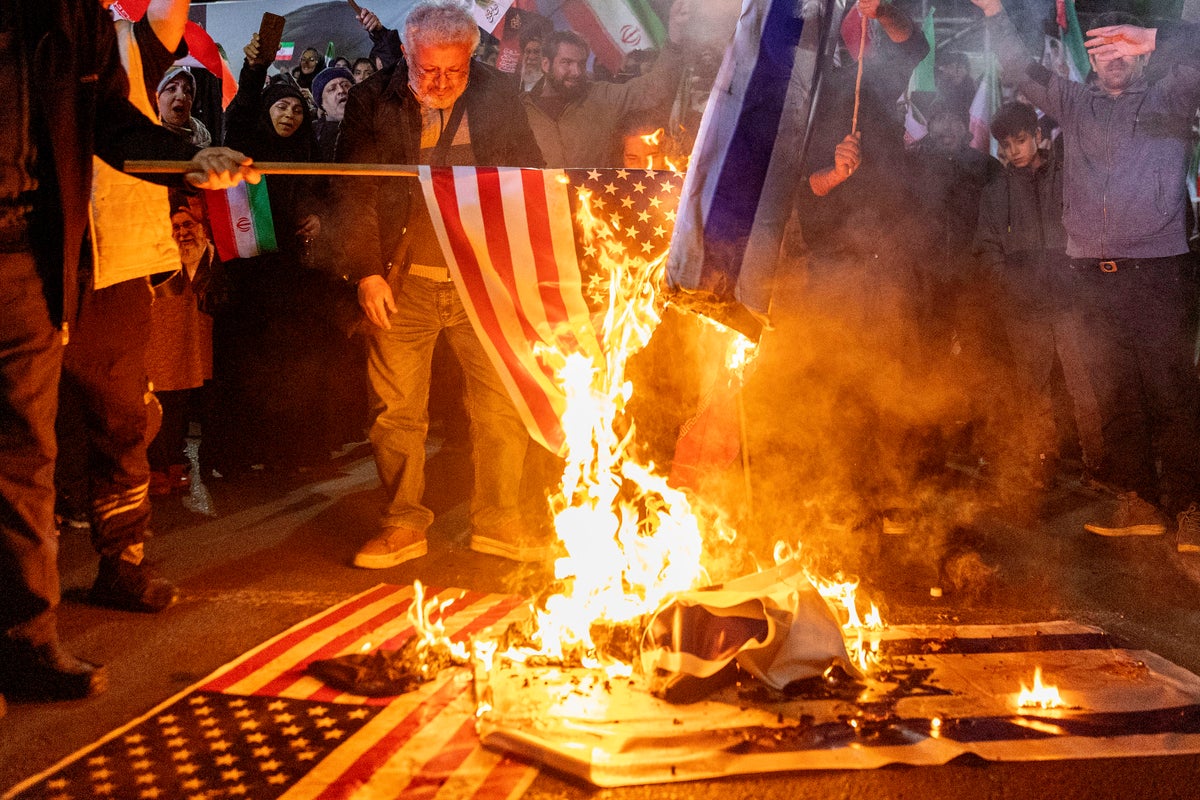
The world’s most important oil artery is currently a no-go zone for anyone Iran considers an "enemy," and that definition is getting broader by the hour. On Sunday, March 22, 2026, Tehran’s representative to the UN maritime agency, Ali Mousavi, insisted the Strait of Hormuz remains "open." But there’s a massive catch. It’s only open if you aren't linked to the US or Israel, and only if you coordinate your safety directly with the Iranian military.
This isn't just posturing. It’s a direct response to President Donald Trump’s 48-hour ultimatum. Trump has vowed to "obliterate" Iranian power plants—starting with the largest ones—if the waterway isn't fully opened without threat. We’re looking at a game of chicken where the stakes aren't just regional; they’re global. If you're wondering why your gas prices are spiking or why shipping companies like Maersk are rerouting everything, this is the reason.
The illusion of an open waterway
Don't let the diplomatic phrasing fool you. When Iran says the Strait is open to everyone except "enemy-linked ships," they're effectively holding 20% of the world’s oil supply hostage. The "enemy" list isn't a static document. It’s a moving target that now includes any nation assisting the US or hosting its bases.
The reality on the water is grim. Shipping traffic has plunged by roughly 95% since the conflict escalated in late February. Most captains aren't willing to bet their crew’s lives on whether Tehran’s radar operators think their cargo is "enemy-linked."
- The 48-hour clock: Trump’s Saturday night post on Truth Social set a hard deadline. He’s targeting the heart of Iran’s domestic stability—its electricity.
- The Retaliation Map: Iran hasn't blinked. They’ve already countered that any hit on their power plants will result in strikes on US-linked desalination plants and IT infrastructure across the Gulf.
- The Transit Fee: There are even reports of Iran attempting to charge ships up to $2 million just to pass. It’s a "sovereign regime" tax to fund a war they say was forced upon them.
What enemy-linked actually means
In the eyes of the Islamic Revolutionary Guard Corps (IRGC), "enemy-linked" is a broad brush. It doesn't just mean a ship flying a US flag. It means:
- Vessels owned by companies with American or Israeli board members.
- Tankers carrying fuel destined for US military installations in the region.
- Any ship from a country that signed the recent joint statement condemning Iran's "de facto closure" of the Strait.
That last part is the kicker. Since more than 20 nations—including the UK, Japan, and South Korea—signed that statement, the "safe" list for transit is shrinking fast.
Why Trump’s ultimatum changes the math
The US approach has shifted from "degrading" Iranian capabilities to a policy of "obliteration." Trump’s focus on power plants is a specific tactical choice. Unlike nuclear sites, which are deeply buried and hardened, power plants are "soft" targets. They’re easy to hit and their loss causes immediate, widespread civilian and industrial chaos.
But there’s a massive risk here. Iran has proven its ability to strike back with precision. On Saturday, Iranian missiles hit southern Israeli towns near the Dimona nuclear research center. This shows they can bypass sophisticated defense systems. If Trump hits a power plant in Bushehr or Damavand, expect the lights to go out in some of the West’s most critical regional hubs too.
The shipping industry is in survival mode
If you’re a logistics manager, you’re not waiting for the 48-hour deadline to expire. You’ve already moved. Major carriers are implementing "emergency inland fuel" surcharges and suspending container returns in impacted countries like Qatar and the UAE.
It’s not just about the oil. It’s about the 20,000 seafarers currently stranded or at risk. The Strait is narrow—only 21 miles wide at its tightest point. There’s nowhere to hide if a drone swarm or a missile battery opens fire.
The Japan factor
Japan is in a particularly tight spot. About 90% of its oil comes through this chokepoint. While Trump is pressuring Tokyo to send warships and "step up," Japan is hesitant. They’ve hinted at minesweeping operations, but only if a ceasefire is in place. Iran is trying to peel Japan away from the US coalition by offering safe passage for Japanese-linked ships—provided they don't cooperate with Washington. It’s a classic "divide and conquer" diplomatic play.
Moving beyond the headlines
The "open but closed" status of the Strait of Hormuz is a fiction designed to give Iran diplomatic cover while they exert total control. They want the world to blame US "aggression" for the high prices, even as they're the ones laying the mines.
If you're tracking this for business or personal impact, watch the 48-hour mark closely. If the US doesn't see a literal, physical clearing of the Strait—meaning no more IRGC patrols harassing tankers—the transition from a regional skirmish to a total infrastructure war is almost guaranteed.
Your next step should be checking your local energy provider's latest rate forecasts and reviewing any supply chain dependencies you have in the Persian Gulf. This isn't a "wait and see" situation anymore; it's a "prepare for the worst" scenario.