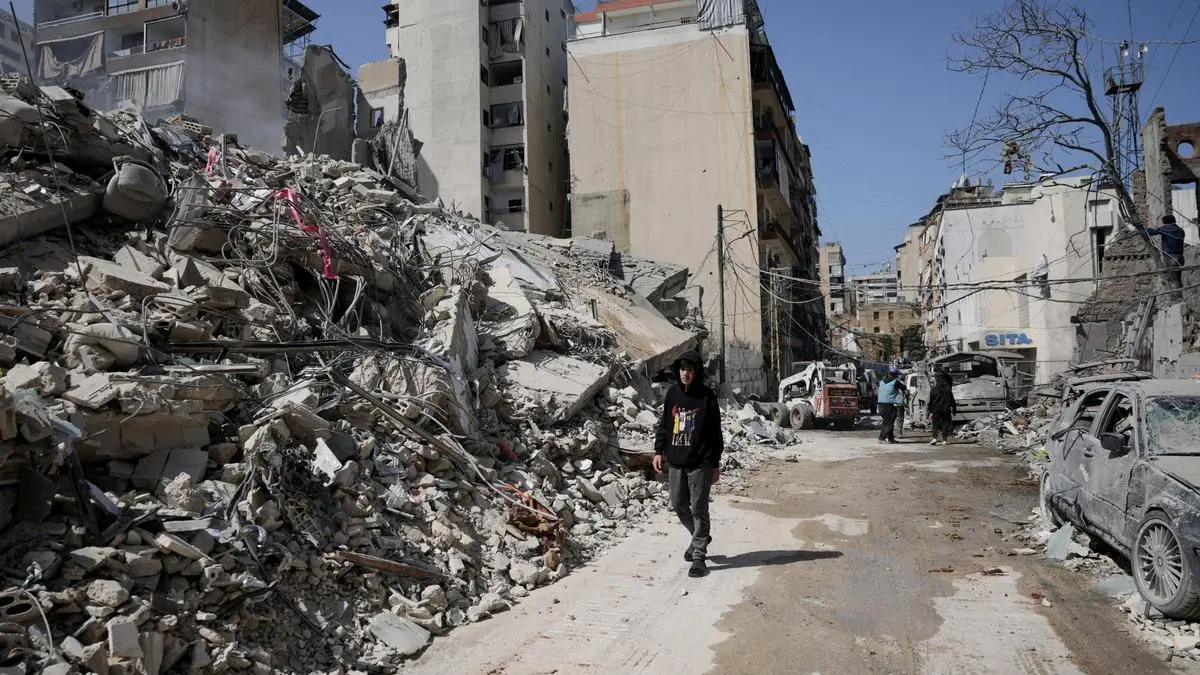
The smoke rising from the Asaluyeh coastline on Wednesday marked the end of a long-standing unwritten rule in Middle Eastern conflict. By striking the South Pars gas field, Israel and the United States have moved past military and nuclear targets to gut the literal engine of the Iranian economy. This is no longer a shadow war of regional proxies or targeted assassinations. It is a full-scale assault on the world’s most critical energy infrastructure, and the fallout is already destabilizing global markets far beyond the Persian Gulf.
South Pars is not just a gas field. It is a $2.8 trillion asset that sits at the center of a shared geological reservoir with Qatar, known as the North Dome. Together, they form the largest natural gas deposit on Earth. For decades, the sheer scale of this shared resource acted as a form of "mutual assured destruction" for energy. If one side’s infrastructure burned, the entire reservoir’s pressure and safety were at risk. That deterrent has now evaporated.
The Strategy of Economic Attrition
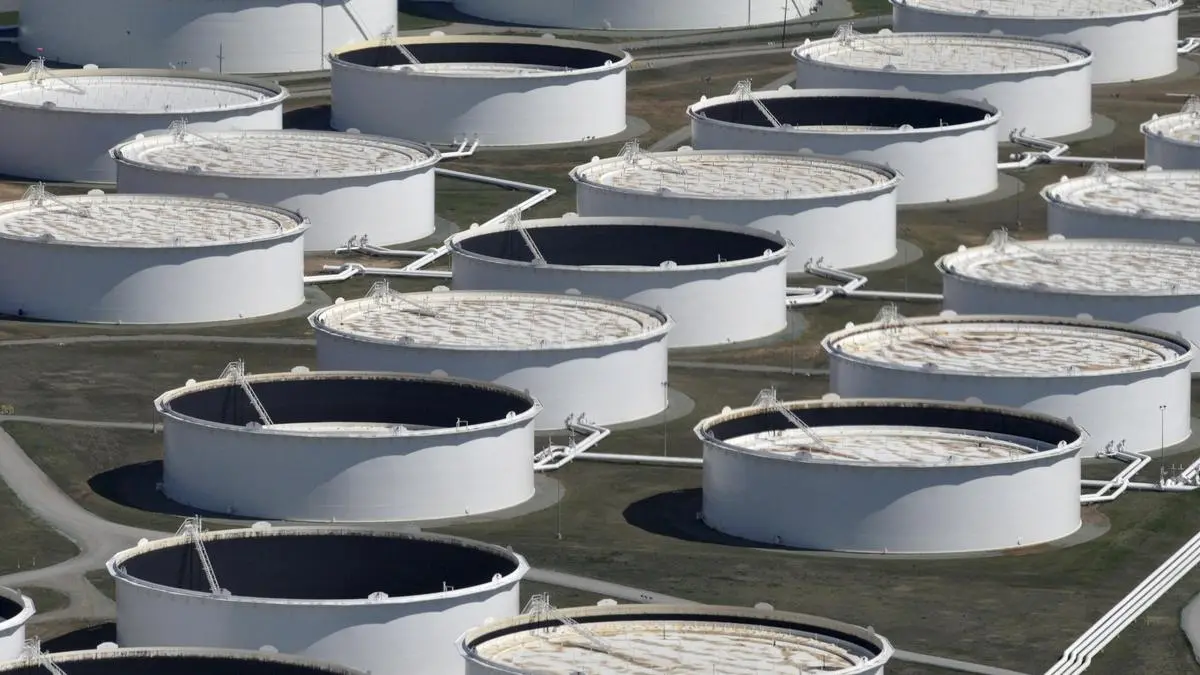
The Wednesday strike, coordinated with the Trump administration, targeted key processing units and storage tanks at the South Pars Special Economic Energy Zone. While Iranian state media initially claimed the fires were contained, the reality on the ground is more severe. Industry sources indicate that several production phases have been forced offline, immediately halting the flow of gas to Iraq—a country that relies on Iran for 40% of its power generation.
This was a calculated move. For months, the Iranian government has used the threat of closing the Strait of Hormuz to keep global oil prices in check and deter a direct strike on its soil. By hitting South Pars, the U.S. and Israel are calling that bluff. They are demonstrating that the cost of Iranian interference in global shipping will be the systematic dismantling of the country’s domestic energy security.
The timing is equally significant. The strike followed the confirmed deaths of high-ranking Iranian officials, including Intelligence Minister Esmail Khatib. The message is clear. If Tehran continues to escalate through its proxies or by mining the Strait, its ability to heat its homes and power its industry will be erased phase by phase.
A Shared Reservoir and the Qatari Dilemma
The most volatile element of this escalation is the geographical reality of the field itself. South Pars and Qatar’s North Field are part of the same continuous structure. When projectiles hit the Iranian side, the shockwaves are felt in Doha. Qatar’s swift and unusually sharp condemnation of the strike reflects a terrifying reality: the world’s largest LNG exporter is now caught in the literal crossfire of a war it cannot control.
Qatar has spent thirty years and hundreds of billions of dollars turning its half of the field into a global energy lifeline. Any instability in the reservoir’s pressure or damage to the subsea infrastructure could have catastrophic long-term effects on production. Already, Iranian retaliatory strikes have hit Qatar’s Ras Laffan complex, forcing evacuations and proving that Tehran is willing to burn its neighbors' houses down if its own is on fire.
The End of Energy Neutrality
We are entering a period where energy infrastructure is no longer considered "off-limits" in modern warfare. The "energy weapon" used to be a metaphor for supply cuts and price hikes. Now, it is a physical reality of bunker-busters and drone swarms.
- Market Volatility: Brent crude has already surged past $108 a barrel, with analysts warning of a spike to $200 if the Strait of Hormuz remains contested.
- Infrastructure Fragility: The concentration of gas processing in Asaluyeh makes it a "single point of failure" for the Iranian state.
- Regional Contagion: Iran’s list of "legitimate targets" now includes Saudi Arabia’s Samref refinery and the UAE’s Al Hosn gas field.
The vulnerability of these sites is staggering. Modern energy complexes are vast, exposed, and highly flammable. They were built for efficiency, not for surviving a sustained aerial bombardment. As Israel signals it will no longer seek specific political permission for such strikes, the threshold for attacking these "economic hearts" has been permanently lowered.
The Looming Global Shortfall
While the immediate damage to South Pars is being assessed, the broader impact on the global supply chain is undeniable. Turkey, which depends heavily on Iranian gas via pipelines through Azerbaijan, is already looking for replacement cargoes in an increasingly tight LNG market. This creates a ripple effect. When one major supplier goes dark, the competition for the remaining supply drives prices up for everyone from industrial manufacturers in Germany to homeowners in Tokyo.
The world has long treated the Persian Gulf as a stable, if tense, filling station. That illusion is gone. The strike on South Pars proves that in the current conflict, there are no "civilian" industrial assets. There is only the strategic dismantling of an opponent's capacity to exist as a modern state.
The next few days will determine if this remains a contained strike or the beginning of a multi-basin energy crisis. If Iran follows through on its threats to strike Saudi and Emirati facilities, the global economy will face a shock unlike anything seen since the 1970s. The fire in Asaluyeh isn't just an Iranian problem. It is a signal that the world's energy heart is now a combat zone.
The era of protected infrastructure is over.