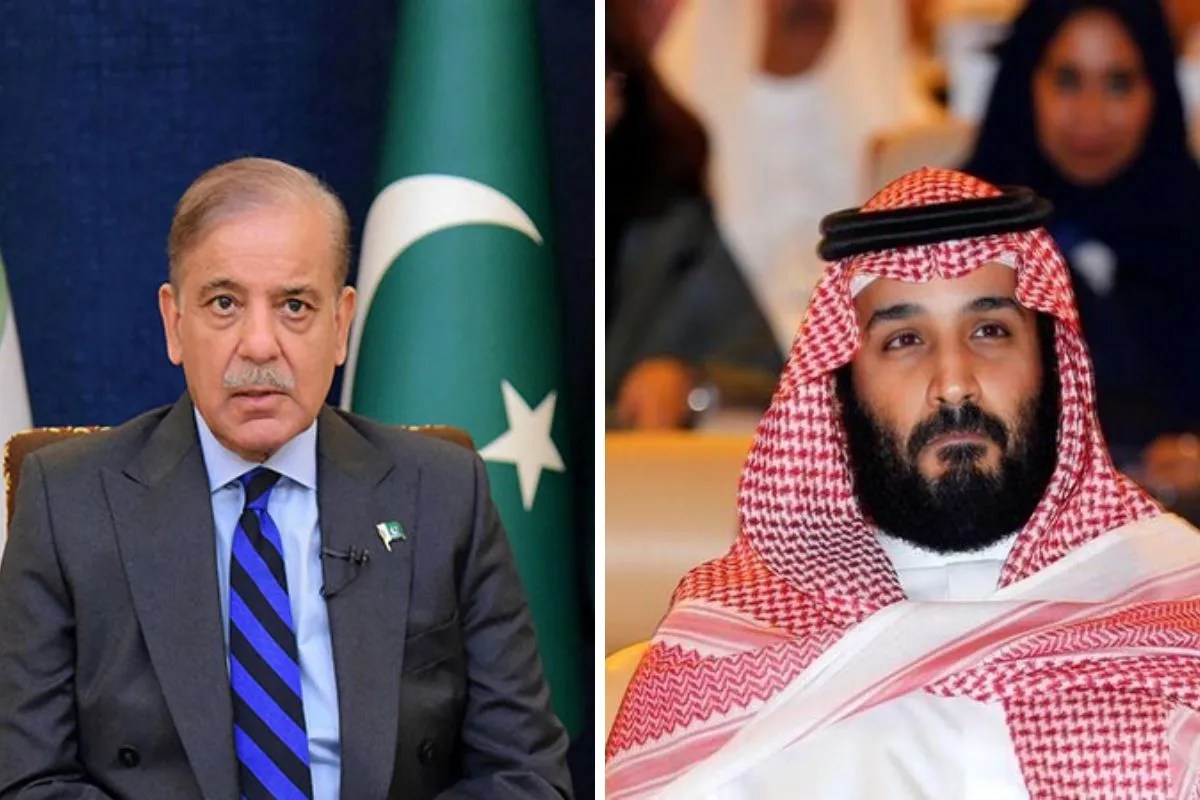
The fragile hope of a de-escalated Middle East did not evaporate by accident. It was dismantled by design. While Islamabad spent months positioning itself as the bridge between Tehran and Washington, a parallel track of high-stakes influence from Riyadh effectively pulled the rug out from under the Pakistani mediators. This was not a failure of Pakistani intent, but a demonstration of Saudi Arabia’s superior gravity in the orbit of Donald Trump’s foreign policy. The objective was simple: ensure that any "deal of the century" did not include a rehabilitated Iran.
Pakistan’s role as a self-appointed firefighter in the burning house of Middle Eastern relations has always been precarious. For Prime Minister Imran Khan, the goal was twofold. First, he sought to prevent a regional war that would inevitably spill over into Pakistan’s own borders, radicalizing its Shia population and crippling its economy. Second, he wanted to prove Pakistan’s utility to the West as something more than a counter-terrorism outpost. By October 2019, Khan had visited both Tehran and Riyadh, claiming he was acting as a messenger at the personal request of Donald Trump.
But messengers are only as valuable as the silence of the other voices in the room.
The Illusion of the Pakistani Bridge
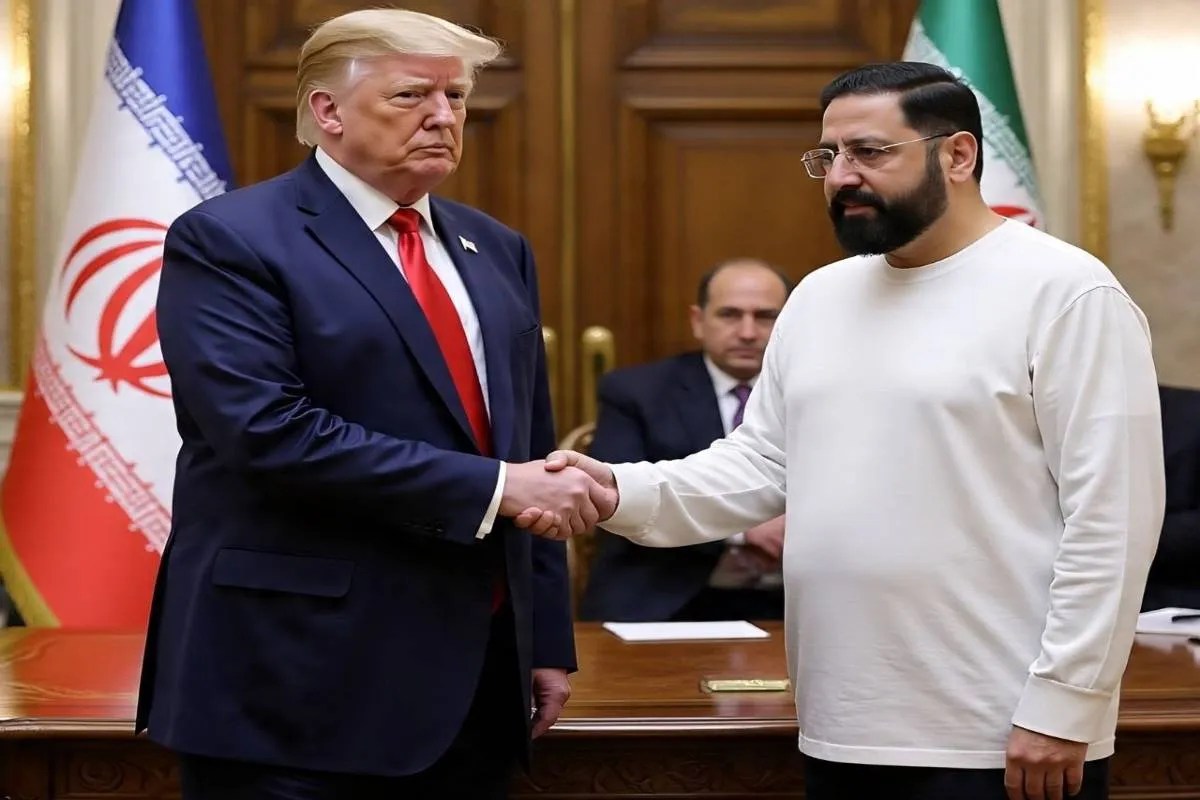
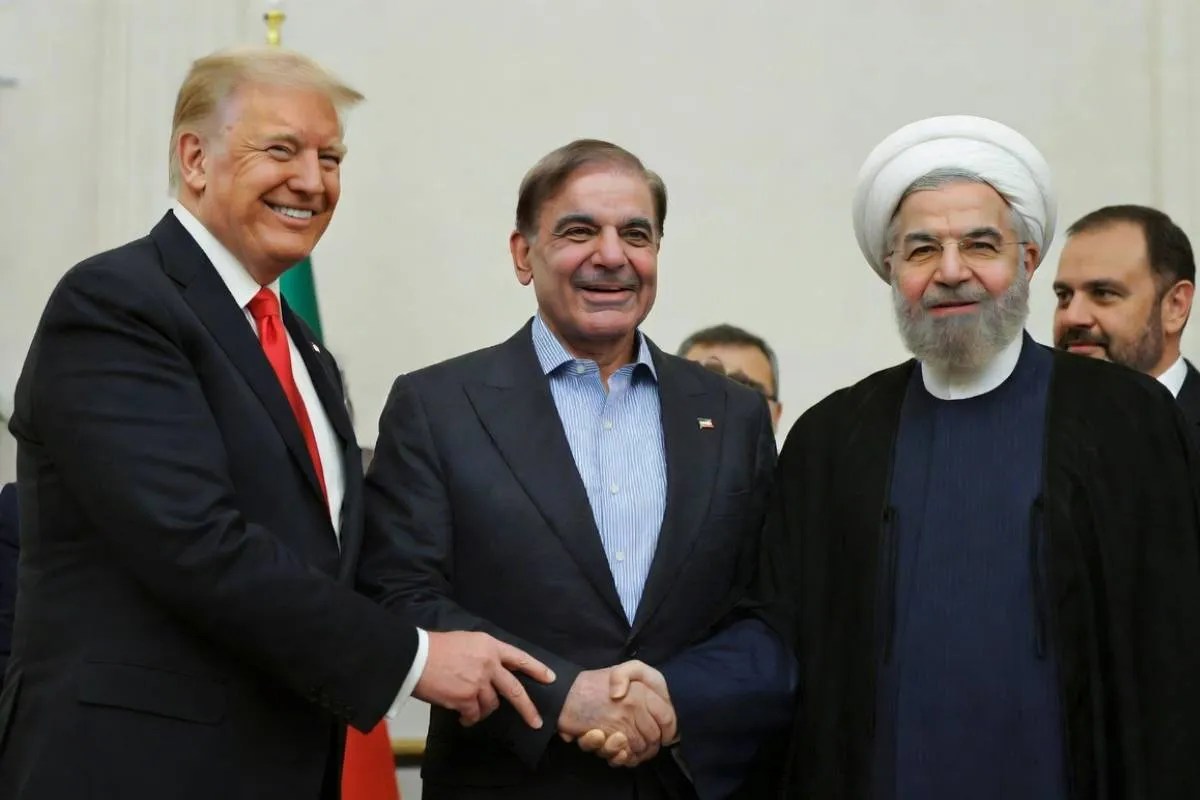
The premise was straightforward. Pakistan, maintaining a rare, functional relationship with both the House of Saud and the Ayatollahs, would facilitate a secret channel. In Islamabad’s vision, a meeting between Trump and Iranian officials would mirror the North Korean summitry—high on optics, low on initial substance, but enough to freeze the march toward conflict. Tehran was cautiously receptive. They needed sanctions relief; Islamabad needed a stable neighbor.
What Pakistan underestimated was the depth of the "maximum pressure" campaign’s roots in Riyadh. While Khan was meeting with President Hassan Rouhani, Saudi intelligence was already briefing the White House on a very different reality. The Saudi argument was that any concession to Iran, even a diplomatic one brokered by a "neutral" Islamabad, would be viewed as a surrender by the Sunni bloc.
Why Saudi Arabia Needed the Conflict
Riyadh does not view the Iran issue as a matter of border security, but as an existential competition for Islamic leadership. To the Saudis, a nuclear-armed or even an economically rejuvenated Iran is a death knell for the current regional order. When rumors of a Pakistani-brokered breakthrough reached the Royal Court, the response was swift and surgical.
The Saudi strategy involved reminding the Trump administration of the financial and strategic commitments already in place. They didn't just disagree with Pakistan’s mediation; they characterized it as a naive distraction. They argued that Iran was not at the table to talk, but to buy time. This narrative resonated perfectly with the hawks in the White House who viewed Pakistan as a double agent in the war on terror—a nation that says one thing to your face while harboring your enemies in its backyard.
The Turning Point in the Oval Office
The shift happened when the Saudi leadership intensified its direct line to the President's inner circle. They moved beyond traditional diplomacy, utilizing the personal rapport established between Crown Prince Mohammed bin Salman and Jared Kushner. The message was clear: Pakistan is a borrower, not a power broker.
By the time the Pakistani delegation arrived with their "road map" for peace, the atmosphere had chilled. The U.S. began demanding conditions that they knew Tehran would never accept—total cessation of ballistic missile testing and an end to all regional proxy support—before even a single dollar of sanctions relief could be discussed. This was not a negotiation; it was a demand for unconditional surrender.
Islamabad found itself holding a map to a bridge that the Americans were already preparing to blow up.
The Economic Leverage Over Islamabad
To understand why Pakistan’s mediation failed, you have to look at its bank balance. Pakistan was, and remains, deeply indebted to Saudi Arabia. With billions in deferred oil payments and direct deposits in the State Bank of Pakistan, Islamabad’s "neutrality" was always an optical illusion.
When the Saudis decided to push back against the peace plan, they didn't need to issue a public statement. They simply reminded Islamabad of who pays the bills. This created a paralyzed diplomatic stance. Pakistan could not push the U.S. too hard without offending Riyadh, and it could not push Iran too hard without risking domestic instability.
"In the world of high-stakes geopolitics, a mediator with an empty pocket is just a spectator."
How Riyadh Outmaneuvered the Peace Plan
The Saudi strategy focused on "action-reaction" cycles. Every time a diplomatic opening appeared, a new provocation or intelligence report regarding Iranian-backed Houthi movements would conveniently surface. These reports, often shared directly with the U.S. State Department, painted a picture of an Iran that was using Pakistan’s mediation as a smokescreen for further aggression.
- Intelligence Primacy: Saudi Arabia provided the "on-the-ground" data that the U.S. relied on, often bypassing Pakistani assessments.
- Financial Loyalty: Riyadh emphasized its role as the primary purchaser of U.S. defense hardware, a point that always hit home with Trump.
- The Sunni Front: They solidified a coalition of Gulf states that presented a united front against any rapprochement, leaving Pakistan isolated in its "pro-peace" stance.
The final blow to the Pakistani effort was the realization that the Trump administration saw more value in a controlled conflict than in an uncertain peace. The "Maximum Pressure" campaign was a brand, and brands are rarely discarded for the sake of a third-party mediator’s reputation.
The Fallout for Regional Stability
The collapse of this mediation effort didn't just hurt Pakistan’s ego; it signaled to Iran that the "Pakistani channel" was a dead end. This pushed Tehran closer to Beijing and Moscow, further complicating the Western strategic position in the East. If the U.S. wouldn't talk via Islamabad, Iran would build its security via the Silk Road.
We are now seeing the long-term effects of this missed opportunity. The region remains a tinderbox where a single drone strike or a seized tanker can spark a conflagration. Pakistan, once hopeful of being the great peacemaker, has been relegated to the sidelines, struggling with its own internal economic collapse and a surging threat from the Taliban in the West.
The Saudi intervention was a masterclass in influence. They recognized that in the Trump era, personal relationships and "strongman" narratives outweighed traditional diplomatic statecraft. By the time Imran Khan realized the game had changed, the pieces had already been swept off the board.
The reality of Middle Eastern diplomacy is that you cannot broker peace when the parties involved are more interested in the spoils of war. Pakistan tried to play the role of a global power without the economic or military muscle to back it up. Riyadh, on the other hand, used its wealth and its alignment with the U.S. hardliners to ensure that the status quo of tension remained, keeping Iran boxed in and the U.S. firmly anchored to the Saudi interest.
Study the movement of capital if you want to understand the movement of armies.