Kindness isn't dead, even if the news cycle makes you feel like it's on life support. Sometimes, the most profound shifts in international relations don't happen in high-rise boardrooms or during stiff diplomatic summits. They happen on a riverbank or through a dusty stack of letters. We’ve seen two stories recently involving China that cut through the noise of geopolitics and remind us that individual choices carry massive weight.
You’ve probably heard bits and pieces of these stories, but the real meat is in the "why" behind them. Why does a Moroccan student risk his life for a stranger? Why does a friendship survive decades of silence across borders? It isn’t about luck. It’s about a specific type of cultural bridge-building that most people overlook.
The River Rescue That Challenged Stereotypes
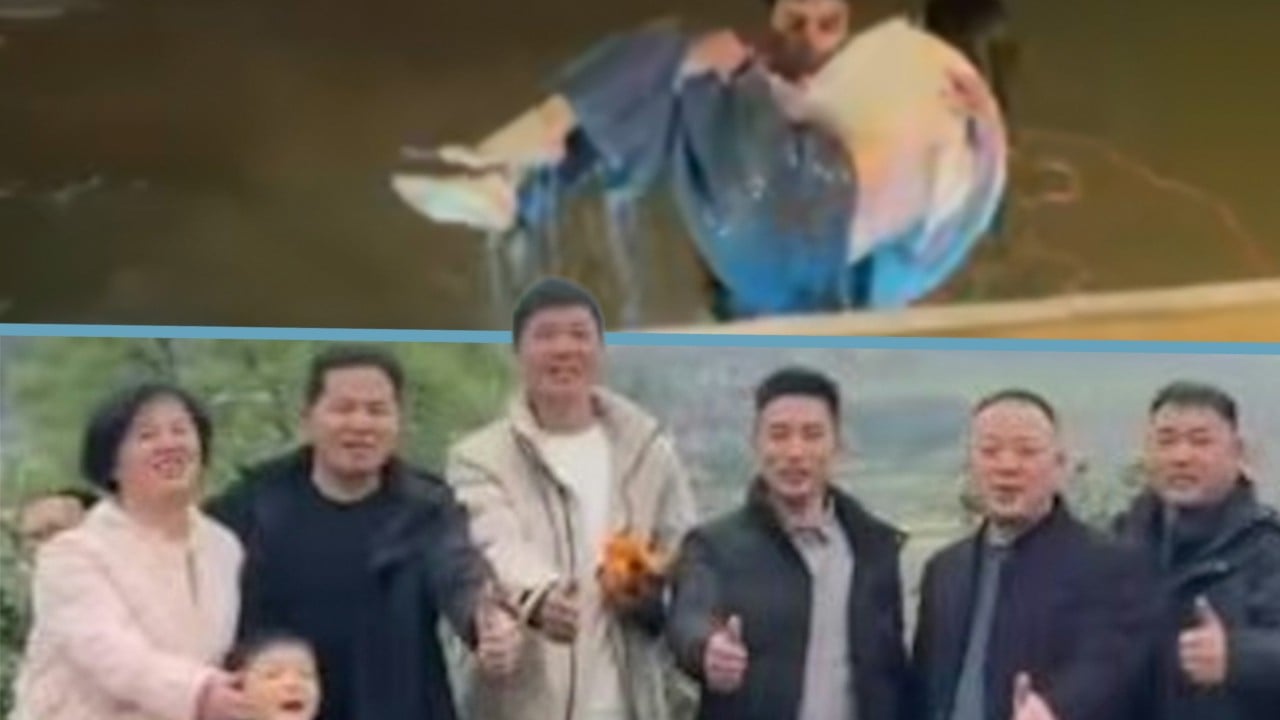
Last year, Yassine El-Qasmy, a Moroccan student living in China, did something most people just talk about. He jumped into a freezing river to save a drowning woman. Now, it’s easy to call him a hero and move on. But look closer at the context.
Yassine wasn't just a passerby. He was an international student navigating a culture vastly different from his own. When he saw that woman struggling in the water, he didn't stop to calculate the risk to his visa, his health, or his future. He acted. This didn't just save a life; it shattered a lot of local assumptions about "outsiders" in China.
China's social fabric is tight. Sometimes, as an expat, you feel like a permanent observer rather than a participant. By jumping in, Yassine proved that compassion doesn't need a passport. He became a local sensation, not because people love a spectacle, but because he showed a level of "Ren" (benevolence) that is deeply respected in Chinese philosophy.
I’ve seen how these moments ripple out. One act of bravery by a foreign student does more for "soft power" than a billion-dollar ad campaign. It forces people to see the person, not the nationality. That’s the real win here.
Why We Need More Pen Pals in a High Speed World
The second story that caught my eye involves a reunion that sounds like a movie script. Decades ago, two young people—one in China, one abroad—started writing letters. They were pen pals. Life happened, the letters stopped, and the trail went cold. Then, against all odds, they reunited.
In 2026, we communicate in snippets. We send a "like" or a three-word text. We’ve lost the patience for the long game. These pen pals succeeded because they invested time when there was no instant gratification. They shared their lives through ink and paper, creating a bond that survived the transition from the analog age to the digital one.
This isn't just a "feel-good" story. It’s a blueprint for how we should be handling our relationships. Most of us treat our networks like a fast-food menu. If it isn't instant, we aren't interested. But the depth of this reunion shows that long-term investment pays off in ways a "follower count" never will.
I talk to people all the time who feel lonely despite having thousands of digital connections. The lesson from these long-lost friends is simple: depth requires time. If you want a connection that lasts forty years, you have to be willing to wait weeks for a response.
Breaking the Barrier of the Other
China is often painted with a broad brush in the media. It’s either a tech giant or a political enigma. We rarely talk about the guy from Morocco who loves his neighborhood enough to dive into a river for it. We don't talk enough about the elderly citizens who still treasure letters from friends across the sea.
These stories matter because they humanize a space that is often dehumanized by headlines. When Yassine saved that woman, he wasn't "Morocco." He was a neighbor. When the pen pals met, they weren't "East meets West." They were just two friends picking up a conversation.
We spend so much time worrying about the "macro" that we forget the "micro." The micro is where life actually happens. It’s where you decide to help someone or decide to keep a promise.
The Cultural Impact of Individual Bravery
Why did Yassine's story go viral in China? It's about the concept of "Mianzi" or face, and the collective spirit. In many Western cultures, we praise the individual. In China, the community's reaction is just as important as the act itself. The outpouring of gratitude toward Yassine showed a society eager to recognize and reward virtue, regardless of where it comes from.
It also highlights the growing diversity within Chinese universities. There are thousands of students like Yassine who are quietly integrating, learning the language, and becoming part of the local community. They aren't just there for a degree; they're there to live.
If you're an expat or someone looking to move abroad, take a page out of Yassine’s book. Don't just stay in the "international bubble." If you want to truly understand a place, you have to be willing to get your hands dirty—or in his case, get soaking wet.
How to Build Connections That Actually Last
If you want to replicate the kind of bond those pen pals had, you have to change your approach to communication. Stop relying on the algorithm to keep you connected.
- Pick three people you haven't spoken to in a year. Don't text them. Write an email or, if you’re feeling bold, an actual letter. Share something substantive, not just a "how are you."
- Commit to the long game. Understand that some friendships have seasons. Just because you haven't talked in a decade doesn't mean the connection is dead. It’s just dormant.
- Be the one who acts. In your own "riverbank" moments—whether that's helping a colleague or standing up for someone—don't wait for permission.
The world doesn't change because of big, sweeping declarations. It changes because a student from Morocco decided to jump into the water and because two people kept writing until the ink ran out. Stop waiting for a "sign" to be a better human. Just go do it. If you’re looking to make a real impact, start with the person standing right next to you. That’s where the real story begins.