Asia is currently trapped in a structural energy deficit that no amount of short-term subsidies can fix. While headlines often blame high prices on geopolitical instability or supply chain hiccups, the actual crisis is rooted in a fundamental mismatch between the region's industrial ambitions and its decaying power infrastructure. For decades, the "Asian Miracle" relied on cheap, reliable coal and gas to fuel its manufacturing hubs. That era is over. Now, nations from Vietnam to Japan face a brutal choice: keep the lights on for citizens or keep the factories running for the global market.
This isn't just about paying more for electricity. It is about a loss of sovereignty and economic viability. When a rolling blackout hits a semiconductor plant in Taiwan or a textile mill in Bangladesh, the cost isn't measured in kilowatt-hours, but in broken contracts and investor flight. The "sting" felt across the continent is the sensation of a competitive edge being ground down by physics and poor planning.
The Myth of the Easy Transition
Policy circles often talk about the shift to renewables as if it were a simple software update. It is not. The reality on the ground in Southeast Asia and India is that solar and wind cannot yet support the heavy-duty, 24-hour load required by heavy industry. Most of these nations have grids designed for centralized fossil fuel plants. Integrating intermittent green energy requires a level of battery storage and grid flexibility that currently does not exist at scale.
Developing nations are being told to skip the "coal phase" of development, yet the international financing for nuclear or advanced grid tech remains tied up in red tape. This leaves them reliant on expensive, volatile Liquified Natural Gas (LNG) imports. When Europe scrambled to replace Russian pipeline gas in 2022 and 2023, they outbid Asian buyers, leaving countries like Pakistan and Thailand literally in the dark. This demonstrated a harsh truth: in a global energy squeeze, the wealthy West will always price out the developing East, regardless of climate pledges.
The Coal Paradox
Despite the global pressure to decarbonize, coal consumption in China and India has hit record highs. This isn't because these nations hate the environment. It’s because they prioritize survival.
Coal provides a base-load stability that renewables cannot match without massive investment in long-duration energy storage. In the interior provinces of China, coal is the only thing standing between a functioning economy and a total collapse of the manufacturing sector. The price of this reliability is a deepening of the "carbon lock-in," where billions are spent on infrastructure that must run for 40 years to pay for itself, even as the world demands a net-zero future.
The Hidden Cost of LNG Dependency
Japan and South Korea have long been the world's premier LNG importers. They viewed gas as a "bridge fuel" that was cleaner than coal but more reliable than wind. That bridge is now burning. The extreme volatility of the spot market has forced these industrial titans to rethink their entire strategy.
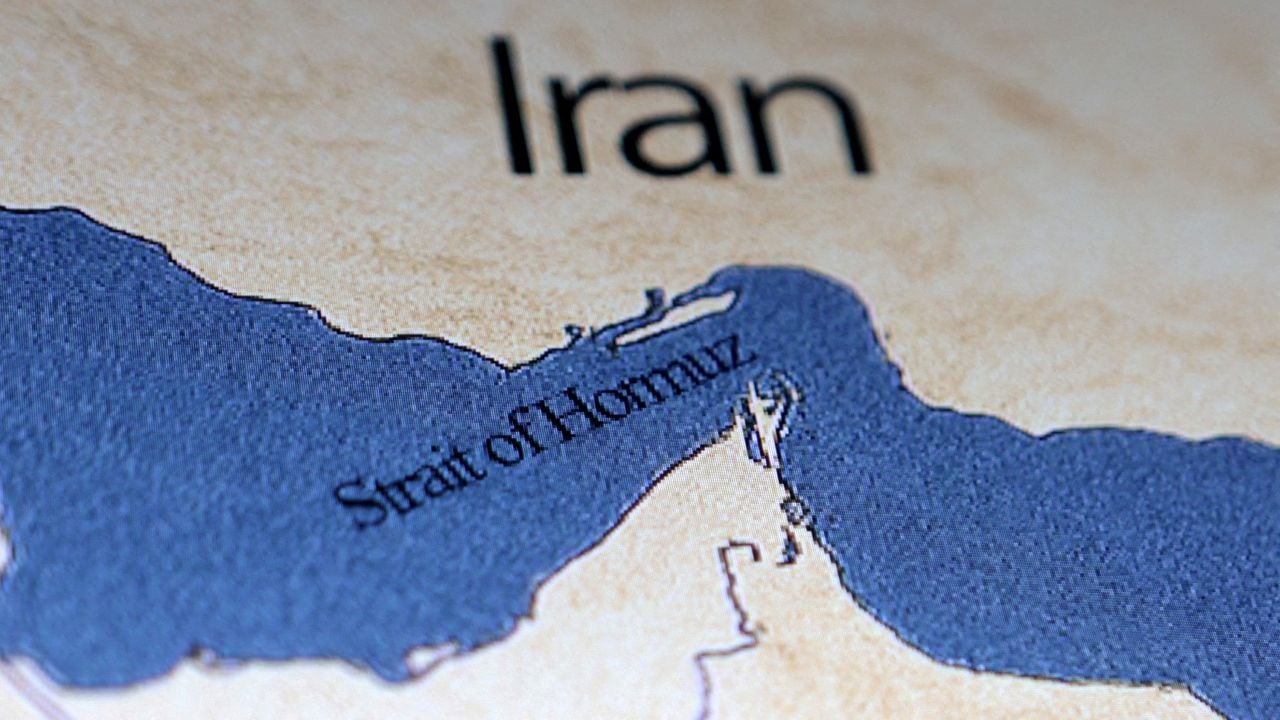
When gas prices spike, the cost of producing everything from cars to chemicals skyrockets. Unlike the United States, which is energy independent thanks to shale gas, Asian giants are at the mercy of shipping lanes and Middle Eastern stability. If the Strait of Hormuz or the Malacca Strait faces a naval blockade, the Japanese economy would effectively cease to function within weeks.
The Infrastructure Decay
While the world watches price charts, the real disaster is happening underground and on the poles. Asia’s transmission lines are aging. In many parts of the region, "line loss"—the energy wasted just moving electricity from the plant to the home—is as high as 20%.
Improving this efficiency is less glamorous than building a massive solar farm, so it rarely gets the funding it deserves. However, fixing the grid is the only way to make the existing energy supply go further. Without a smart grid capable of balancing the load between different regions and different times of day, even a surplus of energy generation is useless.
The Geopolitical Squeeze
Energy is now being used as a hard-power tool. China’s dominance in the processing of critical minerals—lithium, cobalt, and rare earths—means that any country trying to build a "green" energy solution is likely trading a dependency on Middle Eastern oil for a dependency on Chinese technology.
This creates a strategic nightmare for nations like India or Vietnam. They want to compete with China for manufacturing, but they need Chinese-made solar panels and batteries to power that competition. It is a circular dependency that ensures Beijing remains the central node of the Asian energy ecosystem for the foreseeable future.
The Nuclear Necessity
There is a growing realization that wind and solar alone cannot power a modern industrial state. Japan is cautiously restarting reactors that were shut down after the 2011 disaster. South Korea is pivoting back to being a global exporter of nuclear technology. Even China is building more reactors than the rest of the world combined.
Nuclear power is the only proven way to generate massive amounts of carbon-free electricity on a constant basis. But the lead times are enormous. A reactor started today won’t produce power for a decade. For the manufacturer in Vietnam who needs power next Tuesday, nuclear is a dream, not a solution.
The Manufacturing Exodus
We are starting to see the first signs of "energy-driven deindustrialization." Companies that once flocked to Asia for cheap labor are now looking at the total cost of operations, including energy security. If a factory in Texas or Germany has more stable (and potentially cheaper) energy than a factory in Malaysia, the labor cost gap starts to close.
This is the ultimate threat to the Asian growth model. If the region cannot provide the energy required to run the factories of the future—AI data centers, advanced robotics, and high-end electronics—the investment will go elsewhere. The data center industry, in particular, is an energy hog. Singapore has already had to implement moratoriums on new data centers because they simply don't have the power to spare.
The Policy Failure
The current crisis is a failure of imagination among regional leaders. For years, they assumed the era of cheap, globalized energy would last forever. They failed to invest in domestic resources or regional interconnectedness.
A "super-grid" connecting Southeast Asia could allow countries with hydropower, like Laos, to feed industrial centers in Thailand or Vietnam. But political distrust and a lack of unified standards have stalled these projects for decades. Each nation is trying to solve a regional problem with a local mindset. It isn't working.
The Real Price of Failure
For the average citizen in Manila or Jakarta, the energy crisis isn't an abstract economic theory. It is a higher grocery bill. When energy prices rise, the cost of fertilizer, transport, and processing rises with it. This is how energy poverty turns into food insecurity.
Governments are currently burning through their foreign exchange reserves to subsidize electricity prices to prevent civil unrest. This is a death spiral. Using money that should go toward education or infrastructure to artificially lower the price of imported gas is like burning the floorboards of your house to keep the living room warm.
A New Energy Realism
Solving this requires moving past the slogans. Subsidies must be phased out in favor of massive, direct investment in grid resilience and domestic generation. This includes "ugly" solutions like cleaner coal technology and "difficult" solutions like nuclear power.
The era of effortless growth is over. Asia's future depends entirely on its ability to build an energy system that is as resilient as its workforce.
Audit your supply chain for energy vulnerabilities today. If your operations rely on a grid that is currently being propped up by emergency government spending, you are not running a business; you are running a gamble.