A diplomat sits in a room in Tehran, the air thick with the scent of bitter tea and the heavy weight of a decades-long stalemate. Outside, the world is screaming for a ceasefire. Inside, the cursor blinks. It is steady, rhythmic, and entirely indifferent to the thousands of lives hanging on the next sentence. The diplomat doesn't reach for a historical precedent or a legal dictionary. Instead, they open a browser tab. They type a prompt.
This is the surreal intersection of ancient geopolitical blood feuds and the silicon valley of the 21st century.
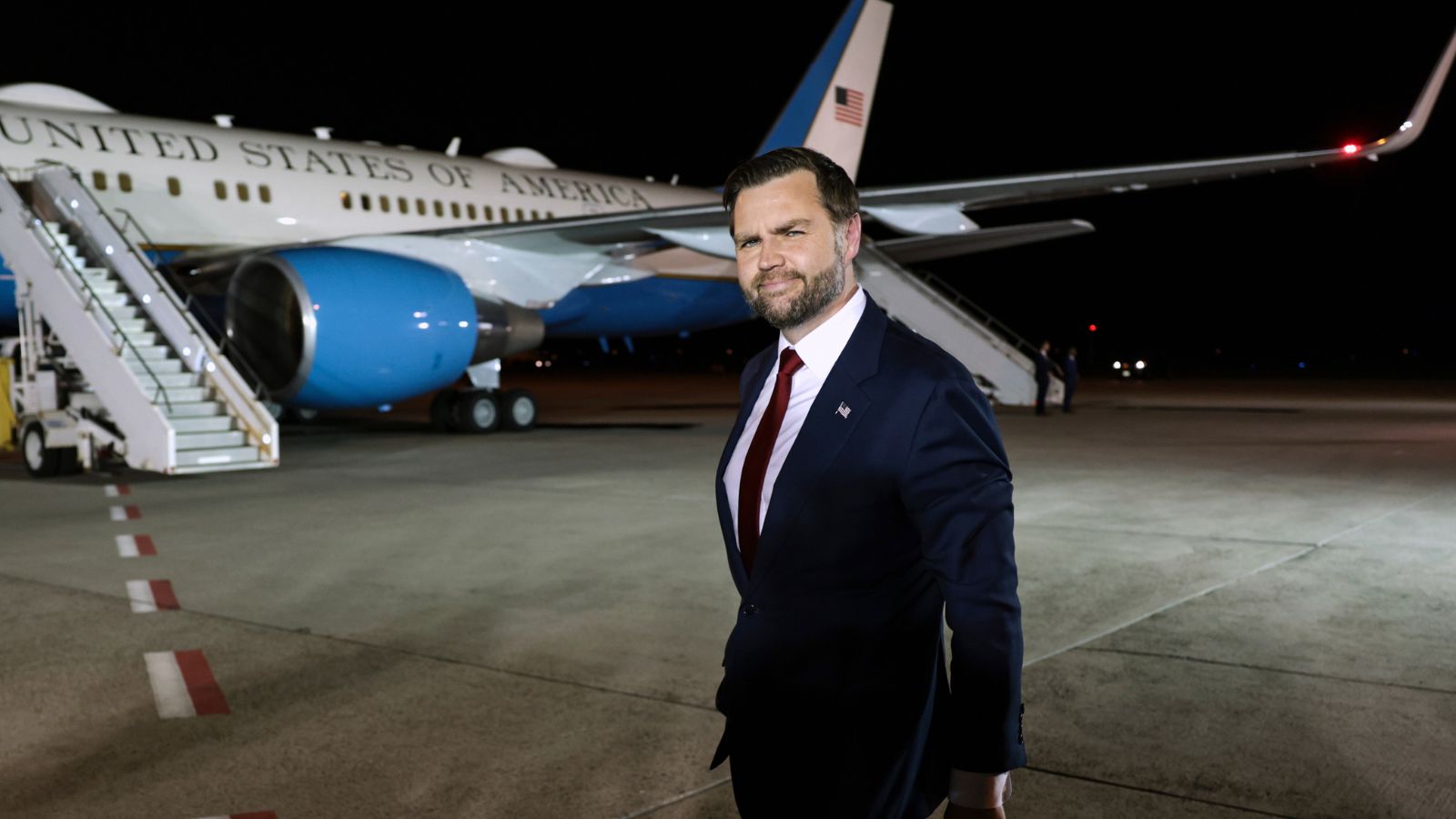
Vice President JD Vance recently pulled back the curtain on a reality that sounds like a fever dream from a techno-thriller. According to the administration, Iran sent three separate ceasefire plans to the United States. Two were the standard, grueling products of human negotiation—dense, bureaucratic, and laced with the specific, jagged edges of regional demands. The third was different. It was polished. It was fluid. It was written by ChatGPT.
We have reached a point where the most consequential decisions of war and peace are being outsourced to a Large Language Model that doesn't know what a bullet feels like.
The Ghost in the Machine
Consider the mechanics of a peace proposal. Historically, these documents are the result of weeks of sleepless nights. Imagine a junior staffer at the Iranian Ministry of Foreign Affairs, surrounded by stacks of paper, trying to find a linguistic middle ground between "sovereignty" and "security." Every word is a landmine. If they use the word "withdrawal" instead of "repositioning," the deal might collapse before it’s even read.
Then, there is the AI.
When you ask an AI to write a ceasefire plan, it doesn’t weigh the historical trauma of the 1953 coup or the specific tactical advantages of a particular border crossing. It predicts the next likely word in a sequence based on a vast dataset of internet text. It synthesizes. It smooths over the cracks. It produces a document that sounds remarkably reasonable because its entire purpose is to be "agreeable" to the average of human thought.
The danger isn't that the AI is malicious. The danger is that it is too perfect. It creates a "hallucination" of peace—a document that looks like a solution but lacks the human "buy-in" required to make it stick. A machine can write the words "both parties agree to lay down arms," but a machine cannot look an enemy in the eye and mean it.
The Vice President’s Warning
JD Vance’s revelation wasn't just a fun anecdote about modern tech; it was an indictment of the sincerity of the process. When the United States received a proposal that bore the unmistakable fingerprints of a chatbot, it signaled a terrifying shift in how diplomacy is conducted.
Think about the message it sends. If a nation-state uses an AI to draft its terms for ending a conflict, is it truly seeking peace, or is it performing a PR stunt? Diplomacy is, at its core, an act of human labor. It is the physical and mental exhaustion of finding a way to coexist. By clicking "generate," that labor is bypassed. It turns a life-and-death struggle into a data entry task.
This isn't just about Iran. It is about a global trend where we are trading the messy, painful reality of human connection for the sterile efficiency of software. We see it in our emails, our art, and now, our international treaties.
The Illusion of Neutrality
There is a seductive quality to an AI-written proposal. It feels objective. It doesn't carry the "heat" of a human negotiator who might have lost a cousin in a drone strike. In a hypothetical scenario, imagine a U.S. State Department analyst opening that third document. They see clean bullet points. They see balanced language. For a moment, it feels like the hard work is done.
But this is a mirage.
AI models are trained on what has already been said. They are backward-looking by design. They can only remix the failures and successes of the past. To solve a conflict as entrenched as the one involving Iran and its neighbors, we don't need a remix. We need a breakthrough. We need a creative, human leap of faith that a machine, by its very architecture, is incapable of making.
The "ChatGPT Treaty" is the ultimate participation trophy of international relations. It says, "I showed up, I produced a document, but I didn't actually do the work."
When Words Lose Their Weight
Words used to be expensive. In the era of the telegram or even the early internet, every word in a diplomatic cable was weighed for its cost and its consequence. Today, words are free. We can generate ten thousand versions of a peace plan in the time it takes to boil an egg.
When the cost of generating a proposal drops to zero, the value of that proposal drops with it.
The Vice President pointed to this specific devaluation. If a government can produce three plans—one being a literal digital artifact—it suggests they are throwing spaghetti at the wall to see what sticks. It turns the sacred act of ending a war into a high-stakes A/B test. We are treating geopolitics like a marketing campaign for a new brand of soda.
Imagine the soldiers on the ground. They are sitting in trenches, checking the safety on their rifles, waiting for news. They are the ones who pay the price if the "agreeable" language of a chatbot fails to account for the reality of the mud and the blood. To them, the fact that a proposal was written by an AI isn't a curiosity. It's a betrayal.
The Human Cost of Efficiency
We are obsessed with "frictionless" experiences. We want our groceries delivered without talking to a human. We want our taxes done by an algorithm. We want our entertainment curated by a bot.
But diplomacy requires friction.
It requires the friction of two people who hate each other being forced to sit in a room until they find a way not to kill each other. That friction is where the commitment is forged. When you remove it—when you make the process "seamless" through AI—you remove the soul of the agreement.
The Iranian AI proposal is a warning shot. It tells us that the tools we built to help us write better emails are now being used to navigate the most dangerous waters on earth. It’s a shortcut that leads nowhere.
We must ask ourselves: what happens when both sides start using AI? We will have two machines talking to each other, generating infinitely polite, perfectly formatted, and utterly hollow documents while the world burns in the background. The machines will agree on everything. The humans will continue to die.
The cursor continues to blink. It waits for a command. It doesn't care if the next line ends a war or starts one. It just wants to finish the sentence.
In the end, the most dangerous thing about the AI-written peace plan isn't that it's wrong. It's that it doesn't care if it's right. It is a ghost writing a script for a play it will never have to perform, leaving the living to bleed between the lines.