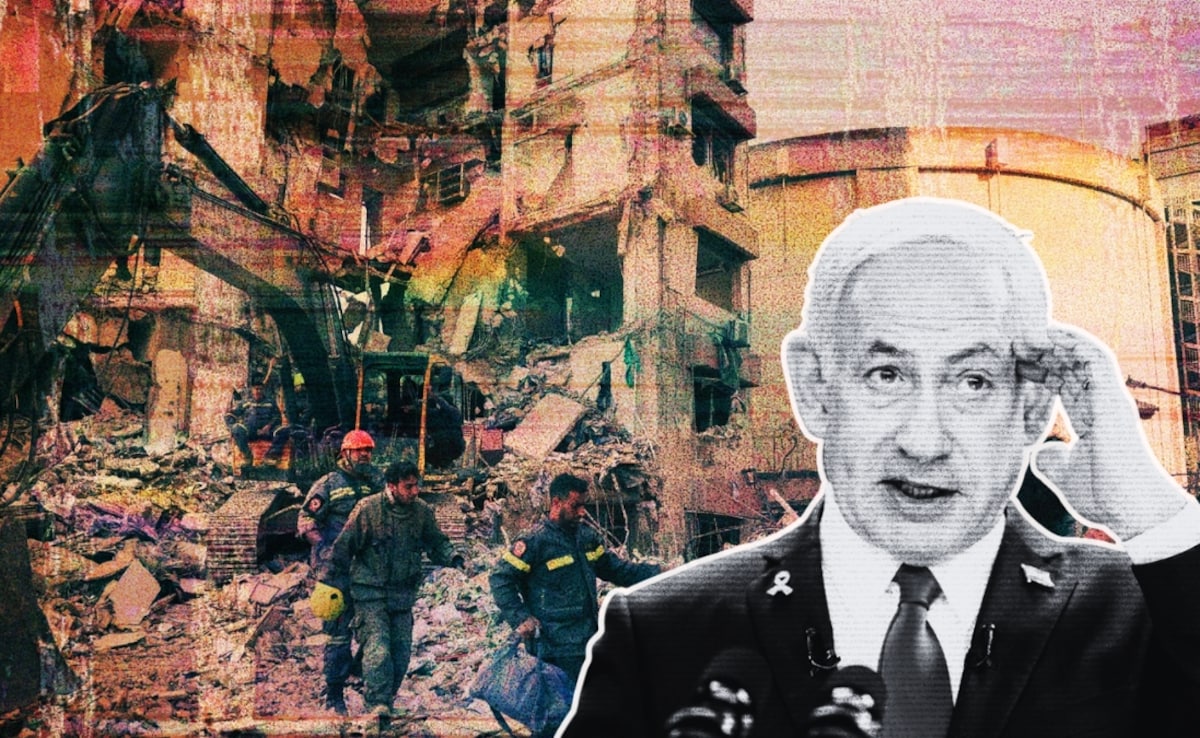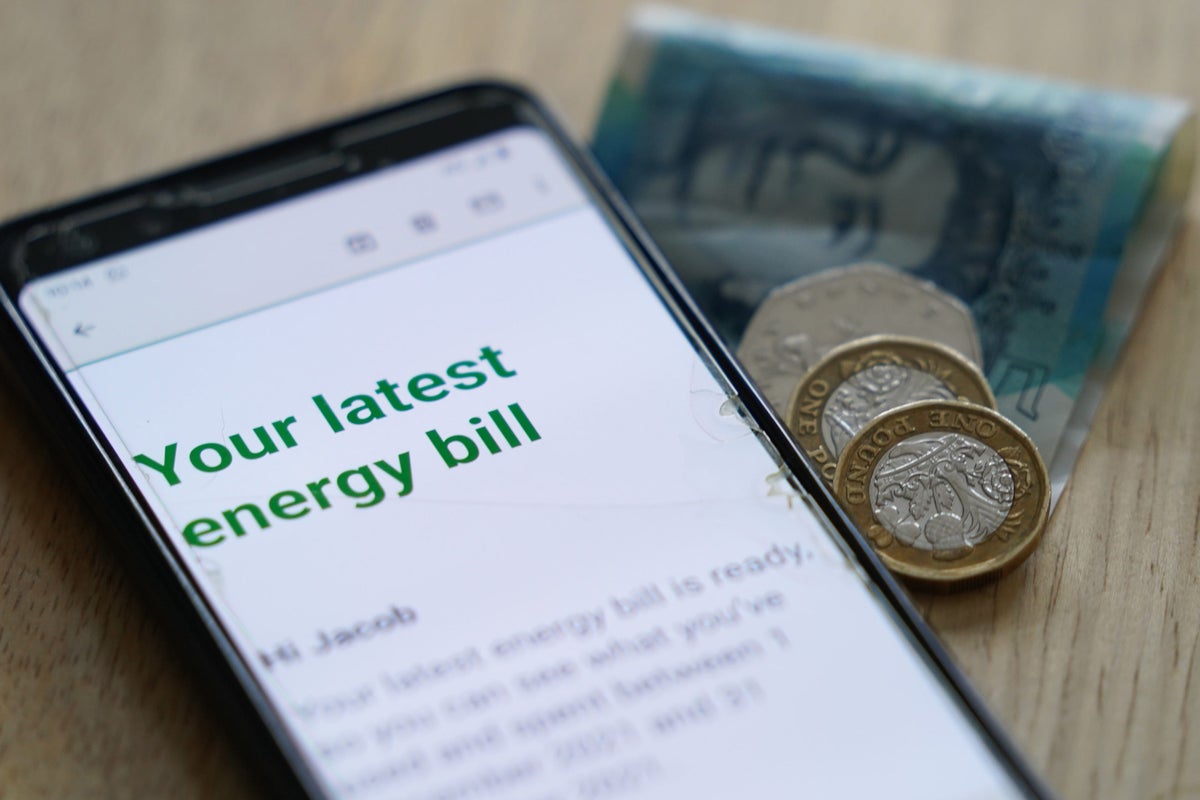
The kettle whistles in a kitchen in Sheffield, but Sarah hesitates before pressing the switch. It is a tiny, almost subconscious calculation. She knows the cost of that boiling water. She knows the weight of the invisible numbers scrolling across her smart meter. For Sarah, and for millions of others across Britain, a ceasefire thousands of miles away feels like a ghost. It is a headline on a screen—relief mixed with skepticism—but it hasn't lowered the price of her pasta.
We are told that peace brings stability. In the textbook version of global economics, a cooling of tensions should signal a return to the "old normal." But the old normal is dead. Even if the guns fall silent and the shipping lanes through the Red Sea or the pipelines across Eastern Europe remain undisturbed, the financial aftershocks have already baked themselves into the walls of the British home.
The reality is colder than the statistics suggest.
National grid systems and global energy markets are not like light switches. You cannot simply flip them back to "cheap" once the immediate threat of escalation fades. The conflict-driven volatility of the last few years has forced energy providers and governments into a defensive crouch. They are buying ahead. They are hedging. They are paying a premium for certainty in an uncertain world.
The Ghost in the Meter
Think of the global energy market as a massive, rusted ocean liner. If a sudden storm hits—a war, a blockade, a diplomatic breakdown—the ship can’t just veer out of the way. It takes miles to turn. By the time the captain sees clear water, the ship is still drifting on the momentum of the crisis.
Britain’s energy architecture is particularly sensitive to these long-arc movements. Because we transitioned away from coal faster than many of our neighbors and rely heavily on gas for both heating and electricity generation, we are tethered to the international price of Liquefied Natural Gas (LNG). When a pipeline in Eurasia is threatened, or a tanker is diverted around the Cape of Good Hope to avoid a drone strike, the price of gas in London doesn't just "wiggle." It leaps.
Those leaps are now being amortized.
Regulatory bodies and suppliers are currently recouping the massive losses sustained during the height of the price spikes. Even when wholesale prices dip, the consumer sees a dampened version of that relief. We are paying for the "just in case" of tomorrow and the "oh no" of yesterday.
The Grocery Store Frontline
Energy is the silent ingredient in every loaf of bread.
Consider a hypothetical baker named David. To the customer, David sells sourdough. To the economy, David is a high-intensity energy consumer who requires constant heat and a complex logistics chain. When the cost of the fuel for the tractor in Ukraine goes up, David’s flour gets more expensive. When the cost of the electricity to run his industrial ovens doubles, David has two choices: stop baking or raise the price.
Most Davids across the country chose to raise the price.
But here is the catch. Prices have a "ratchet effect." They go up with relative ease when costs explode, but they rarely slide back down to their original starting point once those costs settle. Staff wages have been raised to keep up with the cost of living. Rent has climbed. The "new" price of a loaf of bread becomes the baseline.
A ceasefire might stop the price from hitting £5.00, but it won't bring it back to £1.20.
The Hidden Premium of Fear
Markets are essentially collective psychological states. They run on fear and greed. Right now, the dominant emotion is a wary, exhausted caution.
Investors and insurers have seen how quickly "frozen conflicts" can turn white-hot. They have seen how a single geopolitical miscalculation can strand assets and bankrupt firms. Because of this, the "risk premium"—the extra bit of money tacked onto everything to cover the possibility of disaster—is at an all-time high.
Insurance for cargo ships? Higher.
Interest rates for long-term infrastructure projects? Higher.
The cost of securing supply chains that no longer rely on "hostile" nations? Much higher.
We are paying for the decoupling of the West from cheap, unstable sources of energy. It is a necessary transition for national security, perhaps, but it is an expensive one. We are essentially paying a "sovereignty tax" on every monthly bill. It is the price of not being beholden to the whims of autocrats, but that doesn't make the direct debit any easier to swallow for a family of four in Birmingham.
The Long Shadow of Debt
There is a psychological exhaustion that sets in when "temporary" measures become permanent fixtures of life. In 2022, the narrative was about "getting through the winter." We were told to hold our breath. Now, we are realizing that the air is just thinner up here.
The British government spent billions shielding households from the worst of the initial shock. That money wasn't a gift; it was a loan from the future. As the state looks to balance its own books, the subsidies disappear, and the tax burden shifts.
The invisible stakes are no longer about whether we can afford a luxury holiday. They are about the slow erosion of the British middle class's ability to absorb any further shocks. If a ceasefire holds, we might avoid a catastrophe. But we are still living in the wreckage of the last one.
The New Equilibrium
We have entered an era of "Fragile Pricing." This is a state where the floor has been raised, but the ceiling remains terrifyingly high.
It is a world where a minor skirmish in a port halfway across the globe can result in a frantic email from your utility provider three weeks later. We are more connected than we have ever been, which means we are more vulnerable than we have ever been.
Sarah finally presses the switch on the kettle. The water bubbles and hisses. Outside, the rain streaks the window, and the news continues to chatter about diplomatic breakthroughs and signed papers. She pours the tea and looks at the letter on the counter—another "adjustment" to her standing charge.
Peace is beautiful. It is essential. It is a relief for the soul. But for the person trying to balance a spreadsheet at the kitchen table, peace is currently an expensive luxury that hasn't quite arrived in the mail.
The conflict may be winding down, but the bill is just getting started.
It sits there on the mat, white and square and heavy with the weight of a world that has forgotten how to be cheap.