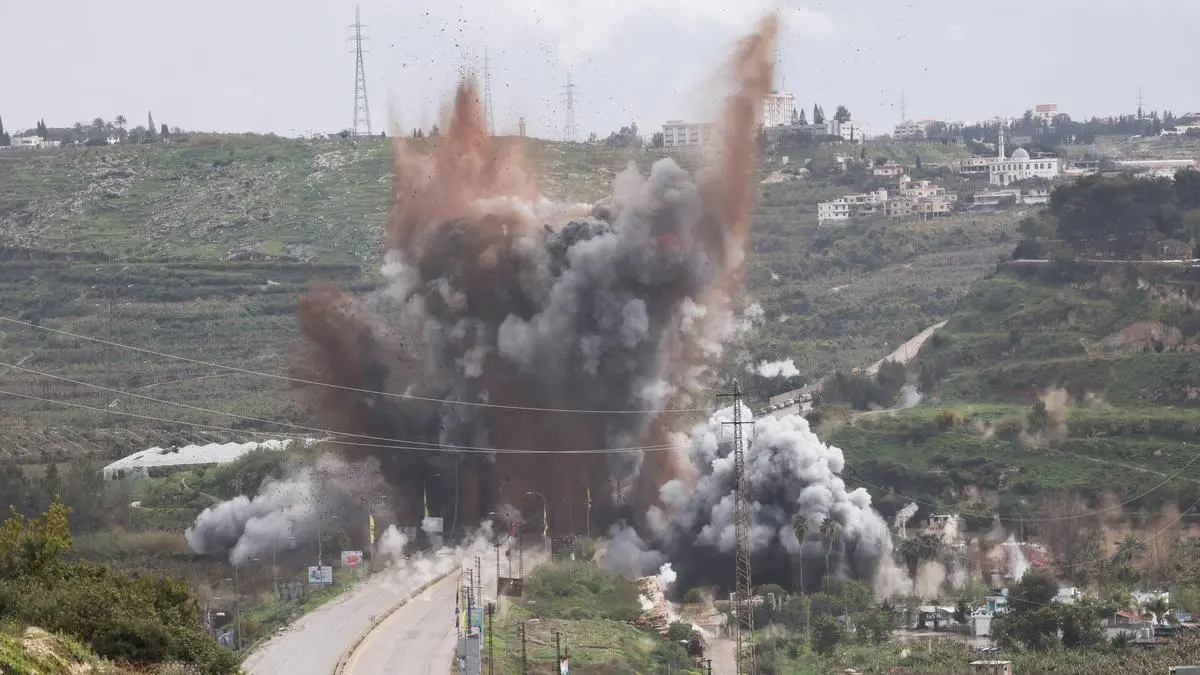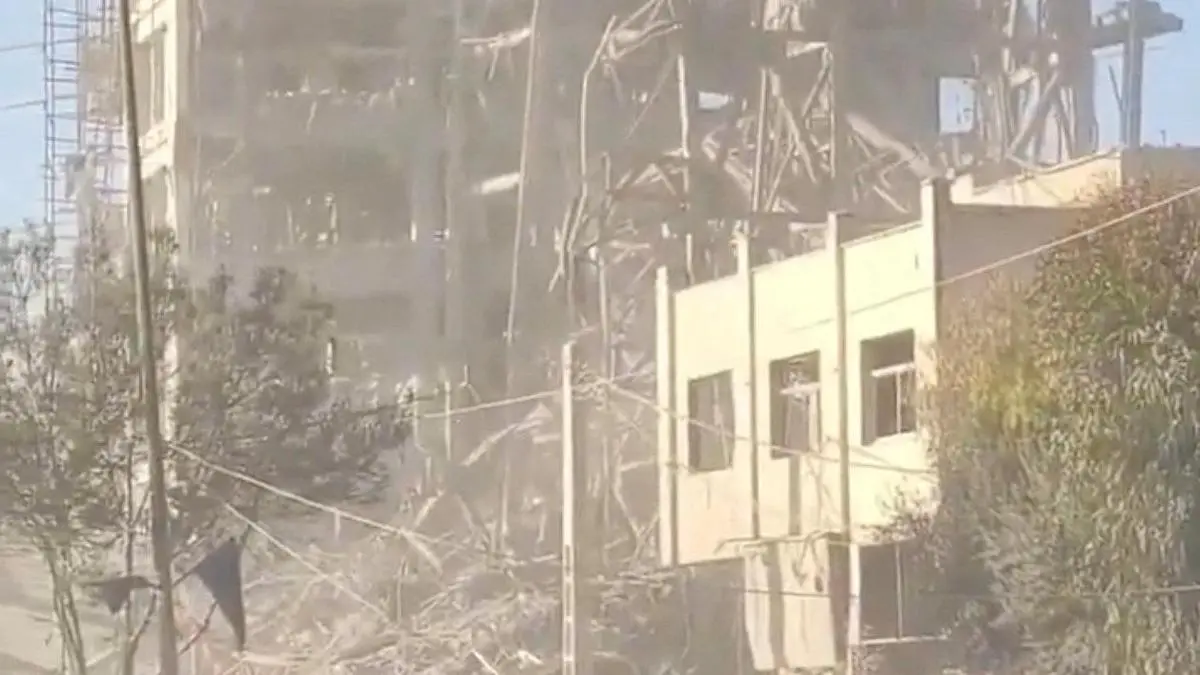
The headlines are predictable. A flash of light in the desert, a grainy satellite photo of a collapsed roof, and a press release claiming we just "decapitated" the Iranian drone program. We are told the destruction of a single engine plant is a strategic masterstroke that halts the proliferation of loitering munitions.
It is a lie. Not because the building isn't rubble, but because the premise is obsolete.
Western intelligence remains obsessed with the "chokepoint" theory—the idea that if you blow up the specialized factory, you stop the weapon. That worked in 1943. It fails miserably in 2026. By treating an Iranian drone engine plant like a Tier-1 industrial target, we are playing a 20th-century game against a decentralized, 21st-century ghost.
The Myth of the Centralized Hub
The competitor narrative suggests that drone production is a linear assembly line. They want you to visualize a massive, singular facility where raw steel enters one end and a Shahed-series drone exits the other. This mental model allows politicians to claim "mission accomplished" after a single sortie.
The reality is far more annoying for the Pentagon.
Drone manufacturing has undergone a radical democratization. We aren't talking about F-35s that require specialized titanium forging and clean-room avionics. We are talking about flying lawnmowers. Iran’s "engine plants" are often nothing more than shell companies operating out of nondistinct warehouses, assembling components sourced from the global hobbyist market.
I have tracked the supply chains of these "engines." You can find the base designs on Alibaba. The ignition systems are modified from high-end RC planes. The carbon fiber is spun in facilities that ostensibly make bicycle frames. When you "destroy" a plant, you are merely popping a single blister on a body covered in them. The logistics move to the next warehouse three blocks over before the dust settles.
Kinetic Solutions for Digital Problems
We are using $2 million missiles to blow up $500 roofs.
The math of this escalation is fundamentally broken. If the United States spends $100 million on a strike package—including fuel, maintenance, munitions, and satellite time—to destroy a facility that costs $200,000 to replace, who is actually winning the war of attrition?
- The Cost of Entry: Setting up a new assembly point for small-scale internal combustion engines requires basic CNC machines and a soldering station.
- The Talent Pool: The "expertise" required to assemble these drones is no longer restricted to state-level scientists. It’s being done by tech-savvy insurgents and bored engineers globally.
- The Geographic Fluidity: Unlike a nuclear enrichment facility, which requires massive power draws and specialized cooling, a drone shop looks like a garage on a thermal sensor.
The "lazy consensus" says these strikes deter future aggression. History says they function as a free R&D stress test. Every time a plant is hit, the Iranian logistical network becomes more redundant, more distributed, and harder to track. We are literally "evolving" their supply chain through artificial selection.
The Commercial Component Contradiction
People often ask: "Why can't we just sanction the parts?"
It’s a naive question. Most of the critical components in these engines are dual-use. You cannot ban the sale of small-bore pistons or spark plugs without crippling the global small-engine market.
When the U.S. claims to have destroyed the "source" of the engines, they ignore the fact that the source is a globalized, fragmented market. The blueprints are open-source. The code is on GitHub. The manufacturing is "just-in-time."
In my time analyzing procurement networks, I’ve seen shipments of "water pumps" that are actually engine blocks rerouted through three different neutral countries. By the time a strike is authorized, the intellectual property and the next six months of parts are already dispersed. Kinetic strikes are a lagging indicator; they hit where the enemy was, not where their capability is.
The Intelligence Trap
The biggest danger of these "successful" strikes is the false sense of security they provide to the public.
We see the "Before and After" photos and assume the threat level has dropped. In reality, the threat has merely shifted. While we celebrate the destruction of a physical plant, the digital blueprints for those engines are being mirrored across servers in three different jurisdictions.
If you want to actually disrupt a drone program, you don't aim for the roof. You aim for the frequency. You aim for the financial rail. You aim for the person-to-person trust in the procurement network. But those things don't make for good 6:00 PM news footage. A burning building does.
Stop Aiming for the Concrete
The status quo is a loop of expensive, flashy, and ultimately futile gestures. We are fighting a decentralized, low-cost insurgency with the mindset of a Cold War superpower.
The downside of my perspective? It isn't satisfying. It doesn't offer a "victory" moment. It suggests that the drone threat is a permanent feature of modern conflict that can only be managed, not "destroyed."
We have to stop treating these strikes as a solution. They are, at best, a momentary pause. At worst, they are a massive subsidy to the Iranian defense industry’s adaptability.
If the goal is to stop the drones, stop blowing up the buildings. Start corrupting the code. Start poisoning the grey-market supply chain with faulty components. Start making the "engine" more dangerous to the user than the target.
Until the strategy shifts from kinetic theater to systemic disruption, we are just rearranging the rubble.
Buy more jammers. Stop buying more bombs.