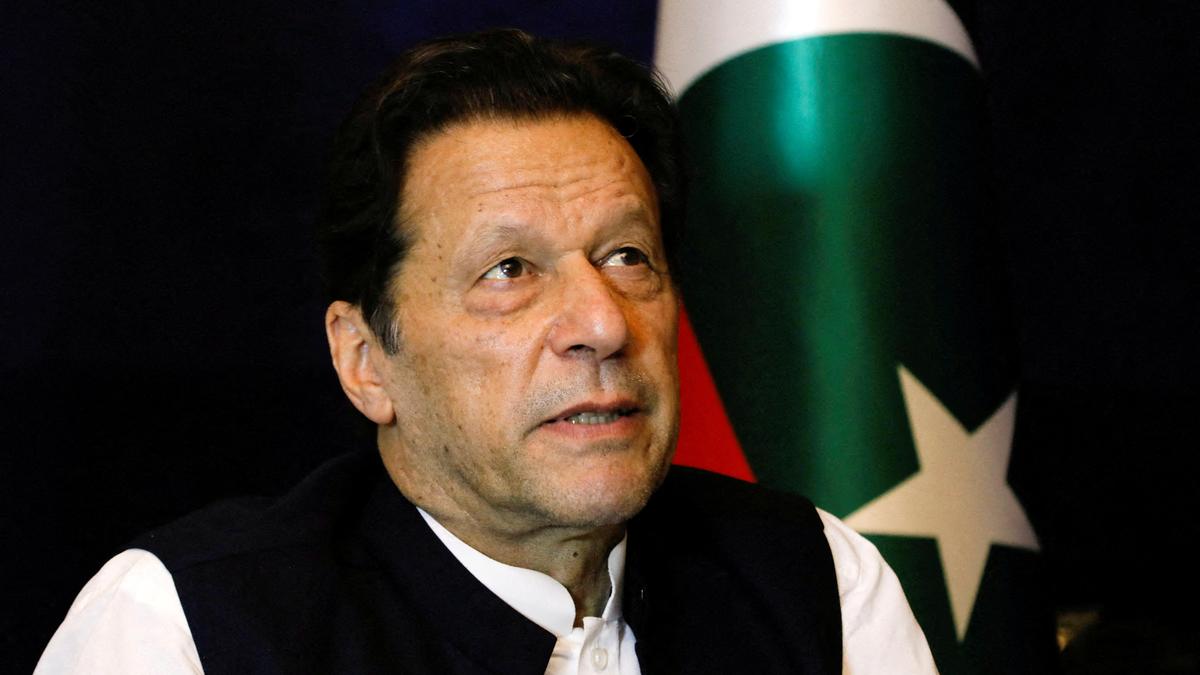
The walls of Rawalpindi’s Adiala Jail are thick, but the medical reports leaking through them are thinner. Former Pakistani Prime Minister Imran Khan, currently serving multiple sentences while facing a barrage of legal challenges, was recently transported under heavy guard to the Pakistan Institute of Medical Sciences (PIMS) for an eye examination. Within hours, he was processed and sent back to his cell. While the state characterizes this as routine prisoner care, the brevity of the visit and the secrecy surrounding his actual health status suggest a much more calculated dance between the judiciary and the military establishment.
Khan is seventy-one years old. At that age, eye ailments—ranging from cataracts to glaucoma or age-related macular degeneration—require more than a cursory glance from a state-appointed physician. Yet, the speed of his return to incarceration highlights the government’s primary fear. They cannot afford to let him stay in a public hospital, where a medical facility becomes a de facto headquarters for his supporters. Every minute Khan spends outside the prison gates is a minute the state loses control over the narrative of his confinement.
The Strategy of Medical Minimalism
The Pakistani state has mastered the art of medical minimalism. By providing just enough care to prevent a total health collapse, the authorities satisfy the basic requirements of the law while ensuring the prisoner remains physically weakened and politically neutralized. This is not about healing. It is about management.
In the case of Khan’s eye ailment, the lack of transparency is the point. When a public figure of his stature is treated, the medical bulletin is usually a matter of public record to dispel rumors. Instead, the details of his diagnosis remain a mystery. This creates a vacuum of information that both sides use as a weapon. His party, the Pakistan Tehreek-e-Insaf (PTI), claims he is being denied specialized care to intentionally damage his health. The government counters that he is receiving "VVIP" treatment that exceeds the standard for any other inmate.
The truth likely sits in the uncomfortable middle. Khan is an athlete who has long obsessed over his physical fitness, but no amount of exercise can offset the toll of prolonged isolation and the psychological pressure of over a hundred pending court cases. The eye issue may be a symptom of a larger, systemic decline—one that the state is eager to downplay to avoid turning him into a martyr.
Historical Precedents of the Hospital Pivot
In Pakistan, the transition from a prison cell to a hospital bed is a well-worn path for deposed leaders. Nawaz Sharif, Khan’s arch-rival, famously used medical grounds to secure a release to London in 2019. The "hospital stay" is the traditional first step toward an eventual exit strategy or an exiled deal.
However, the current administration seems determined to break this cycle. By ensuring Khan’s medical visits are "touch and go" affairs, they are signaling that there will be no "London Plan" for the PTI founder. They are treating his eye ailment as a mechanical fix rather than a medical emergency. This prevents the hospital from becoming a focal point for the massive protests that have defined Pakistani politics since his ouster in 2022.
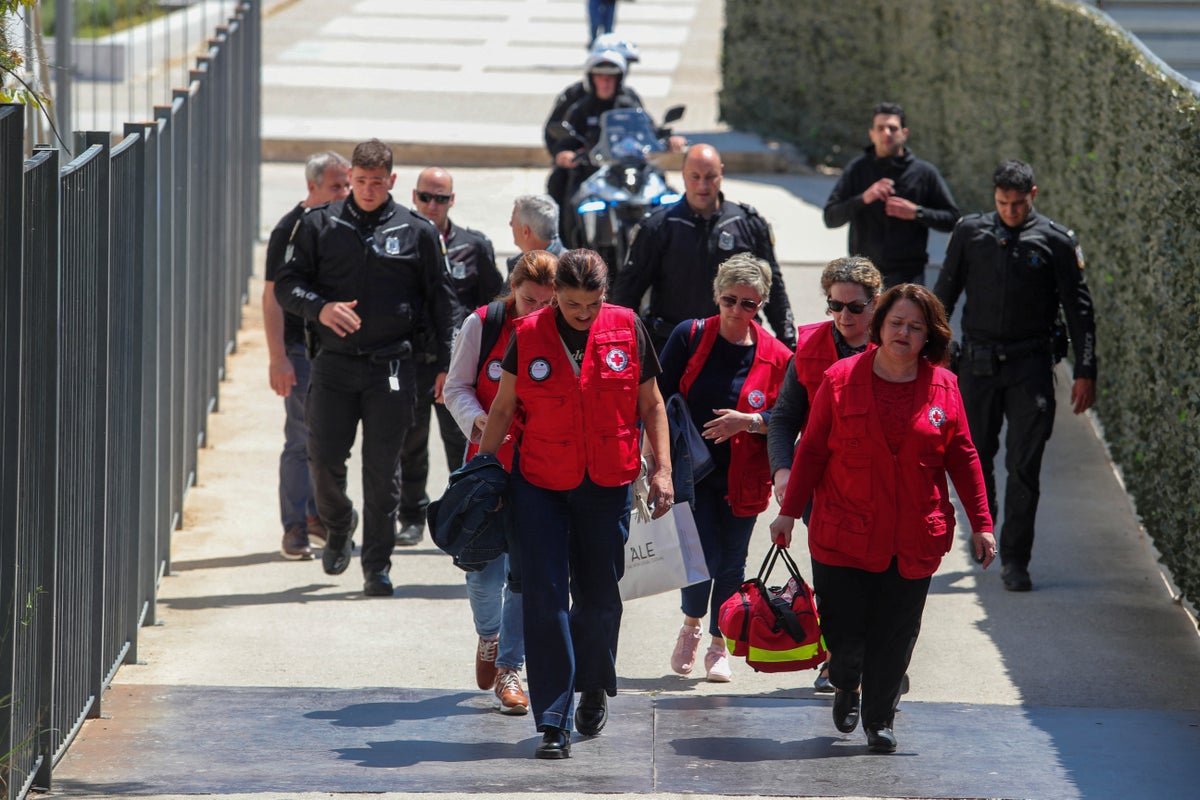
The logistics of his transport to PIMS tell the story. This was not an ambulance ride; it was a military-style extraction. Heavy containers blocked roads, and snipers were positioned on nearby rooftops. The state isn't worried about the eye infection. They are worried about the optics of the man.
The Legal Tightrope of Prisoner Health
Under the Pakistan Prison Rules, every inmate has the right to adequate medical attention. But "adequate" is a subjective term when interpreted by a hostile executive branch. Khan’s legal team has repeatedly petitioned the courts for access to his personal physicians, arguing that state doctors are under pressure to under-report the severity of his condition.
The courts find themselves in a bind. If they grant Khan’s request for private doctors, they undermine the state’s medical authority. If they deny it and his health takes a catastrophic turn, the judiciary will be held responsible for the fallout. This ocular issue, while seemingly minor compared to allegations of poisoning or cardiac stress, serves as a test case for how much control the judiciary still exerts over the custody of high-profile political prisoners.
The Breakdown of Trust in State Institutions
- Medical Bulletins: Frequently criticized for being redacted or overly optimistic.
- Access to Counsel: Often restricted during medical transfers, leaving the prisoner without an advocate in the room.
- The Psychological Factor: Constant transfers and short-term treatments are designed to keep the inmate in a state of perpetual instability.
This environment makes it impossible to take any official statement at face value. When the government says Khan is "fine," a significant portion of the population hears the opposite. This erosion of trust is the most dangerous side effect of the state's handling of his health. It transforms a simple ophthalmological check-up into a catalyst for national anxiety.
Behind the Security Perimeter
What actually happens inside the examination room? Sources suggest that the presence of security personnel often outweighs the presence of medical staff. The patient is not just a patient; he is a security risk. This environment is not conducive to an accurate diagnosis. If a doctor feels intimidated by the heavy presence of the intelligence apparatus, their diagnosis will inevitably be conservative.
The ocular ailment in question has been described by some PTI insiders as a complication from a previous injury, exacerbated by the poor lighting and dusty conditions of his cell. If the condition is indeed chronic, the "check-up and return" model is entirely insufficient. It suggests that the government is prioritizing the security of the cage over the survival of the bird.
The international community, usually vocal about the human rights of high-profile detainees, has been strangely muted. This silence gives the Pakistani establishment more room to maneuver. They are betting that as long as Khan is physically present in court—even if he is struggling to see the documents in front of him—they can claim they are following the letter of the law.
The Physical Toll of Political Warfare
Politics in South Asia is a contact sport, but for Imran Khan, it has become a war of attrition. The physical deterioration of a leader is a potent symbol. For his followers, a frail Khan is a sign of his "sacrifice" for the nation. For his detractors, it is proof that his time has passed.
The eye ailment is particularly symbolic. Khan has spent his career talking about "vision" for a New Pakistan. To have that vision literally clouded by a physical ailment while behind bars is a metaphor his opponents are quietly exploiting. They want the public to see a man who is breaking down, a man who is no longer the vibrant leader who won the World Cup or dominated the political stage.
But this strategy carries an immense risk. The history of Pakistan is littered with leaders who became more powerful in their absence or through their perceived persecution. If the state continues to treat his medical needs as a logistical inconvenience rather than a human right, they are not just managing a prisoner. They are fueling a fire.
The Return to Adiala
As the convoy sped back to Adiala Jail, the gates closed on a situation that remains unresolved. A single visit to a hospital does not constitute a treatment plan. It is a temporary fix for a permanent problem. The government may have succeeded in getting him back to his cell without a riot, but they have done nothing to address the underlying instability of his incarceration.
The medical reality of Imran Khan will eventually collide with the political reality of his imprisonment. You can only ignore a medical condition for so long before it dictates the terms of the conversation. The next time he is transported to PIMS, the crowds may not be so easily deterred by shipping containers and snipers.
The state is operating on the assumption that they can control the biology of an aging man as easily as they control the borders of his cell. That is a dangerous gamble. In the high-stakes game of Pakistani politics, a single misdiagnosis can change the course of history.