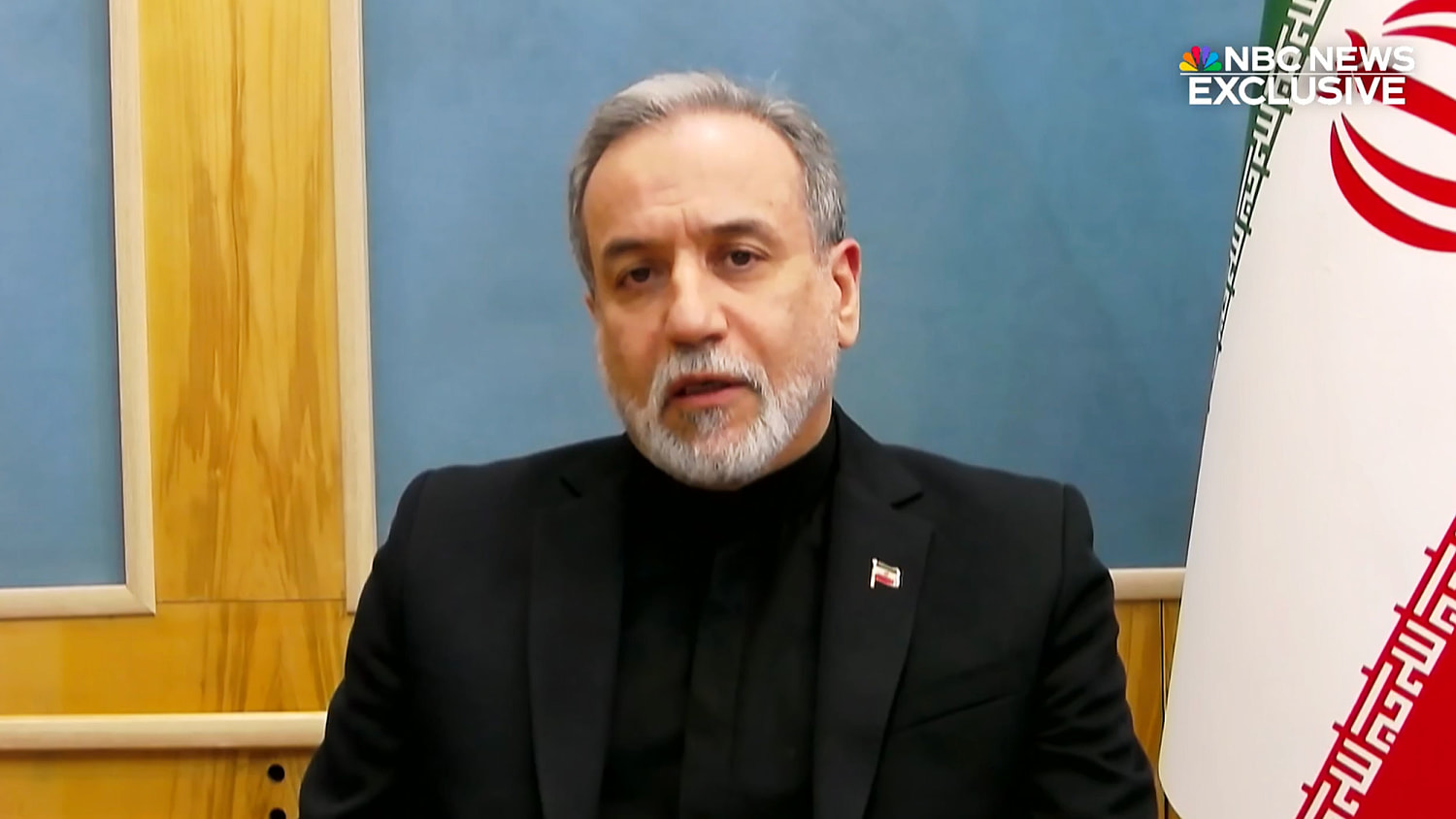
Foreign ministers don’t get paid to tell the truth. They get paid to curate a reality that buys their military more time. When Iran’s top diplomat stands before a microphone and insists that Tehran isn’t seeking war with its neighbors, the media treats it as a binary choice: either he’s lying or he’s sincere. Both interpretations are wrong.
The "lazy consensus" suggests that a denial of war is an olive branch. In reality, it is a tactical deployment of strategic ambiguity. Iran doesn’t want a "war" in the Clausewitzian sense of massive tank columns crossing borders. Why would they? Traditional warfare is expensive, messy, and triggers the one thing the Islamic Republic cannot survive: a direct, high-intensity confrontation with a superior technological power like the United States.
Denying war isn’t an admission of peace. It’s a confirmation of a different kind of combat.
The Myth of the Rational Pacifist
Western analysts love to project their own fears onto Middle Eastern actors. They assume that because Iran’s economy is under the thumb of sanctions, the leadership must be desperate for a "reset." This ignores forty years of institutional memory. To the IRGC (Islamic Revolutionary Guard Corps) and the diplomatic corps that serves as its shield, "peace" is simply the phase of conflict where you consolidate gains without being bombed.
When a diplomat says "we do not seek war," they are actually saying "we have already achieved our objectives through proxy attrition, and we would prefer you didn't interrupt us."
Look at the geography. From the Levant to the Gulf of Aden, Tehran has successfully exported its security architecture. They have achieved "forward defense." If you can fight your enemies in Sana’a, Beirut, and Baghdad, you never have to fight them in Isfahan. Denying war with neighbors is easy when those neighbors’ capitals are already politically hollowed out by your affiliates.
The Deterrence Trap
The standard news cycle frames these diplomatic denials as a sign of weakness or "de-escalation." This is a fundamental misunderstanding of how deterrence works in a multipolar world.
True deterrence isn't just about having a big stick; it’s about making the enemy believe that using their stick will cost more than it’s worth. By constantly signaling a desire for "regional stability," Iran forces its rivals into a "de-escalation trap." If Tehran attacks via a proxy and then immediately follows up with a diplomatic "we want peace" tour, the international community puts the burden of restraint on the victim of the attack.
- The Kinetic Action: A drone hits a facility or a ship is seized.
- The Diplomatic Pivot: The Foreign Minister calls for a "regional dialogue."
- The Victim's Dilemma: If the neighbor retaliates, they are labeled the "warmonger" disrupting the "peace process."
It’s a masterclass in psychological operations. I’ve watched analysts in D.C. and London fall for this loop for a decade. They mistake the absence of a formal declaration of war for the presence of peace.
The Nuclear Shadow Boxing
We need to talk about the "Fatwa" and the diplomatic rhetoric regarding nuclear weapons. The official line—repeated ad nauseam—is that Iran has no interest in a nuclear bomb because of religious and moral objections.
This is a category error. You don’t need to build the bomb to have the power of the bomb. You only need "threshold capability."
By staying in the gray zone—just weeks away from breakout but never crossing the line—Tehran gains all the diplomatic leverage of a nuclear state without any of the international legal consequences. The denial of seeking a weapon is the very thing that allows the enrichment centrifuges to keep spinning. It is a shield made of words.
Stop Asking if They Are Lying
People always ask: "Does Iran really want a regional war?"
It’s the wrong question. Nobody "wants" war. What they want are the spoils of war. If you can get the regional hegemony, the exit of foreign troops, and the submission of your rivals through "diplomacy" backed by the threat of chaos, you’ve won.
The competitor's article you probably just read focuses on the tone of the minister. Tone is irrelevant. Capability is the only metric that matters. When a country expands its ballistic missile range while talking about "neighborly affection," believe the missile, not the adjective.
The Cost of the "Stability" Illusion
The most dangerous thing a neighbor can do is believe the denial. History is littered with states that mistook a tactical pause for a strategic shift.
- 1930s Europe: The "desire for peace" was used as a weapon to paralyze the response to rearmament.
- The Cold War: "Détente" was often used by the Soviets to catch up in the arms race while the West relaxed.
In the Middle East, "stability" is often code for "the status quo favors me." If Iran says they want stability, it means they are currently winning the shadow war and don't want the rules to change.
The Counter-Intuitive Reality
If you want to know when Iran is actually afraid of war, don't look at the Foreign Minister's Twitter feed. Look at the domestic currency exchange rate and the movements of the oil tankers.
The diplomacy we see today is "Assymmetric Diplomacy." It is designed to mirror their "Asymmetric Warfare." It uses the language of the UN Charter to protect a foreign policy that frequently violates it. It’s brilliant, it’s consistent, and it’s devastatingly effective.
The status quo isn't being challenged by these denials; it’s being reinforced. The West’s insistence on taking these statements at face value is not "giving peace a chance." It is subsidizing the next decade of proxy conflict.
Stop looking for a "breakthrough" in the rhetoric. There isn't one. There is only the rhythm of the long game. The denial of war is the most effective weapon in the Iranian arsenal because it’s the only one their enemies are desperate to believe.
Burn the script that says diplomacy is the opposite of conflict. In this theater, diplomacy is the heavy artillery that clears the path for the infantry. If you can't see the muzzle flash behind the smile, you've already lost the engagement.


