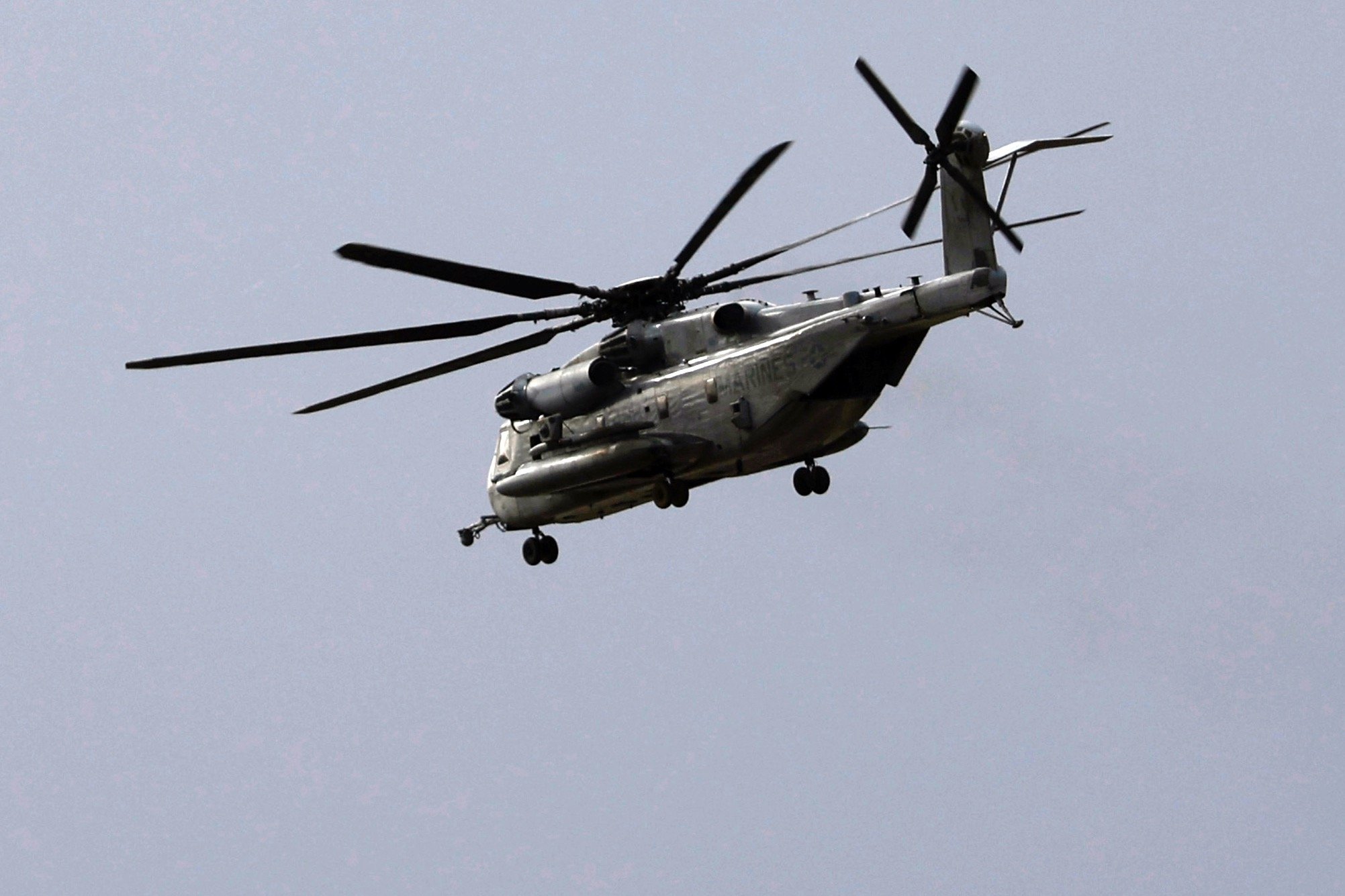
The silence in Beirut is never truly silent. It is a heavy, pressurized thing, like the air in a room just before a thunderstorm breaks. For the families huddled in the limestone shadows of the south, or the residents of northern Galilee watching the horizon with sun-strained eyes, peace isn't a diplomatic concept. It is a physical weight. It is the ability to exhale without wondering if the next breath will be tasted through a veil of pulverized concrete.
When the United States released a six-point framework recently to outline the terms of a Lebanon ceasefire, the words appeared on screens as crisp, sterilized bullet points. But between those lines lies the friction of two nations weary of burying their young. To understand these six points is to understand the anatomy of a fragile truce—a blueprint designed to stop the bleeding, even if it cannot yet heal the wound.
The Ghost of 1701
Imagine a house where the front door has been broken for eighteen years. You keep telling the neighbors you’ll fix the latch, but instead, you just pile furniture against the wood and hope for the best. That is the reality of UN Resolution 1701. Since 2006, it was supposed to be the law of the land, demanding that no armed groups—save for the Lebanese army—operate south of the Litani River.
It failed.
The furniture was pushed aside. The latch remained broken. Now, the first and most critical pillar of the new ceasefire isn't actually new. It is a demand for the "full and immediate" implementation of that old promise. It requires Hezbollah to withdraw its fighters, its hidden missile caches, and its subterranean infrastructure back behind that river line, roughly eighteen miles north of the border.
This isn't just a map exercise. For a farmer in Metula or a shopkeeper in Marjayoun, those eighteen miles are the difference between a life lived in a bomb shelter and a life lived in a garden. The US proposal insists that this time, the "buffer" must be a vacuum of militants, not a crowded theater of shadow play.
Sovereignty as a Shield
There is a specific kind of indignity in having a national army that is not the strongest force in its own country. Lebanon’s official military, the Lebanese Armed Forces (LAF), has long been the underdog in its own backyard. The second and third points of the US framework attempt to flip this script.
The plan calls for the LAF to be the sole armed presence in the south. The US isn't just asking Lebanon to sign a paper; they are asking the Lebanese state to reclaim its spine. Under this agreement, thousands of Lebanese soldiers would flow south to occupy the vacuum left by retreating militias. They would be the only ones authorized to carry a rifle or drive a technical.
But soldiers need more than boots; they need legitimacy. To ensure this isn't just another layer of theater, the proposal includes a beefed-up role for UNIFIL, the United Nations peacekeeping force. Yet, the skepticism on the ground is thick enough to touch. People remember the years of peacekeepers watching truckloads of hardware move past their posts. The new terms suggest a more "intrusive" monitoring mechanism—a polite way of saying the world is tired of looking the other way.
The Hidden Arbiter
Every deal needs a referee, but in the Middle East, the referee often gets tackled. The US framework introduces a monitoring committee led by the United States itself, alongside France. This is the fourth pillar, and it is perhaps the most politically sensitive.
By placing itself at the head of the table, Washington is putting its own credibility on the line. They are moving from the role of a distant mediator to a hands-on inspector. This committee's job is to adjudicate violations in real-time. If a tunnel is discovered, if a drone is launched, or if a patrol is harassed, the committee is the designated "truth-teller."
For the Lebanese government, accepting a US-led monitoring body is a bitter pill of surrendered sovereignty. For Israel, it is a necessary insurance policy. It is a mechanism built on the grim realization that neither side trusts the other enough to share a glance, let alone a border.
The Right to Strike
The most explosive element of the ceasefire isn't what happens during the peace, but what happens when it breaks. This is the fifth point, the one whispered about in the halls of the Knessest and debated in the bunkers of Beirut: the "freedom of action."
Israel has demanded the right to intervene militarily if they detect an "imminent threat" or a breach of the agreement that the Lebanese army fails to address. The US statement attempts to balance this by reaffirming Lebanon's sovereignty while acknowledging the inherent right to self-defense.
It is a paradox.
If a truce allows one side to fly jets over the other whenever they feel a threat is brewing, is it a truce or merely a managed conflict? This point is the friction fire of the entire deal. It represents the "invisible stakes"—the terrifying possibility that the ceasefire is merely a reset button for the next round of devastation.
The Return of the Displaced
The final point of the framework is the only one that truly matters to the woman clutching a plastic bag of belongings in a school-turned-shelter in Beirut, or the family living out of a suitcase in a Haifa hotel. It is the "orderly return" of civilians.
War is often discussed in terms of geography and ballistics, but its true metric is the displacement of the soul. Over a million people in Lebanon and tens of thousands in Israel have been hollowed out by this conflict, turned into ghosts in their own countries. The ceasefire terms outline a staged process where, as the militias move north and the army moves south, the people can finally move home.
But "home" is a complicated word when the roof is in the basement and the fields are seeded with unexploded submunitions. The return is the catharsis, but it is also the greatest risk. If the people return and the rockets follow, the cycle of cynicism will be complete.
The Weight of the Pen
Diplomacy is often mocked as a game of semantics, a way for men in suits to avoid the reality of the mud. But these six points represent a desperate attempt to build a wall out of paper. They are trying to codify a reality where a child can go to sleep without the hum of a drone as a lullaby.
The stakes are invisible until they are gone. They are the quiet mornings. They are the ability to plant a crop you know you will harvest. They are the absence of the "breaking news" chime on a smartphone.
The US statement isn't a victory; it is a scaffold. It provides the structure for something better, but it requires the people on the ground to stop kicking the supports. As the ink dries on the proposal, the real work begins in the ruins. Peace is not the absence of war; it is the presence of a functional alternative.
Somewhere in the south, a father looks at a map of the Litani River and then at his daughter. He doesn't care about point four or point five. He cares about the silence. He is waiting to see if this time, the silence is real, or if it is just the indrawn breath before the scream.