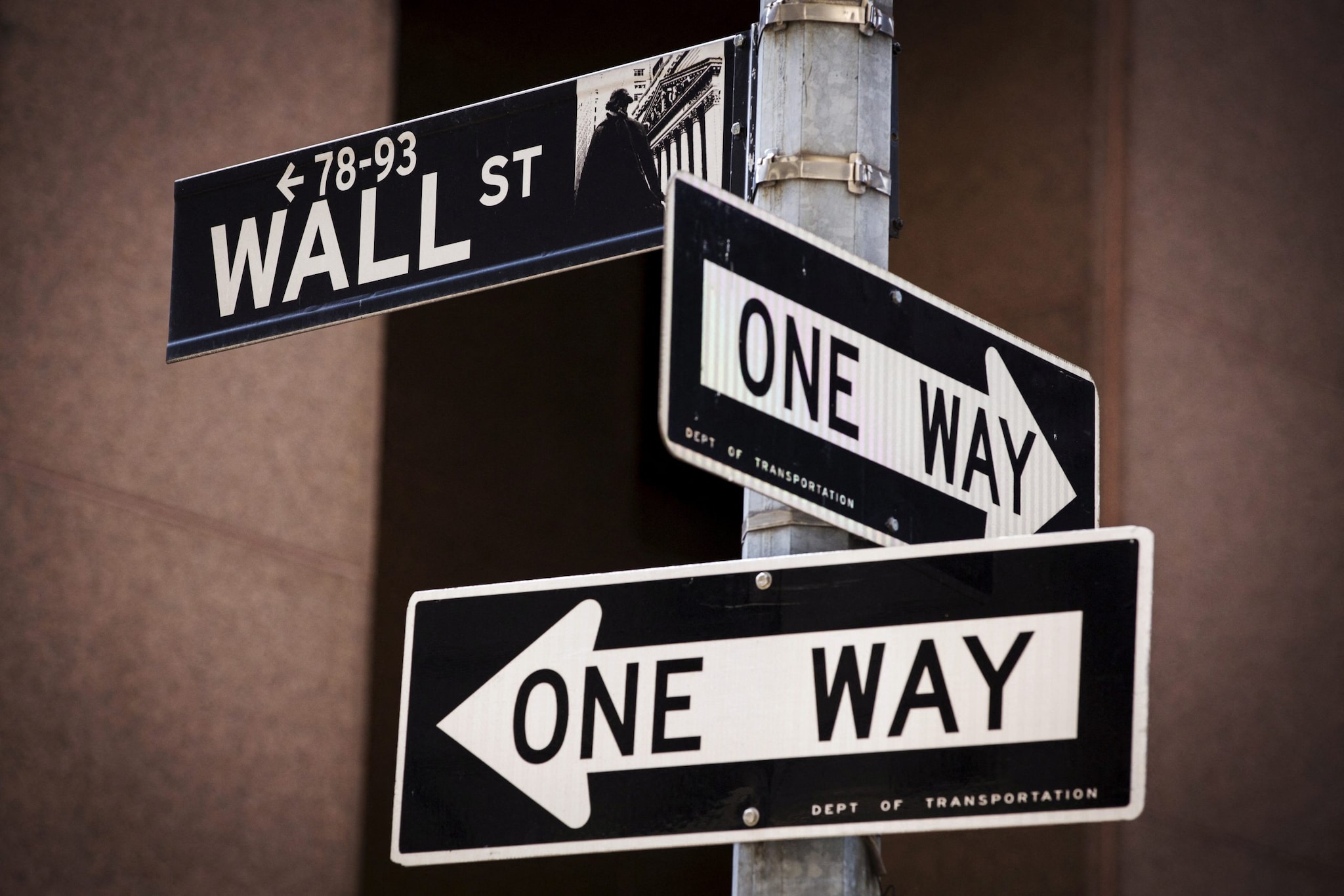
The financial press is addicted to the theater of the "down open." This morning, the headlines are a predictable chorus of doom: the Dow, S&P 500, and Nasdaq are in the red, oil prices are creeping up, and the narrative machine is pumping out "pressure" as if we’re watching a deep-sea submersible crack.
It’s lazy journalism. It’s even lazier investing.
If you’re staring at a 1% dip at 9:31 AM and feeling your heart rate climb, you aren't an investor; you’re a victim of volatility addiction. The "lazy consensus" suggests that a lower open is a signal of deteriorating fundamentals. In reality, an opening drop is often nothing more than a liquidity hunt or a necessary repricing of overnight noise that has zero impact on the cash flow of a company three years from now.
The Oil Boogeyman is a Fossilized Argument
The standard script says rising oil prices "add pressure" to stocks because they increase input costs and drain consumer wallets. This is 1970s logic applied to a 2026 economy.
We need to stop pretending the S&P 500 is still a collection of steel mills and trucking companies. The index is dominated by weightless enterprises. Software-as-a-Service (SaaS), cloud computing, and digital platforms don't care if a barrel of West Texas Intermediate (WTI) jumps $5. Their "input cost" is electricity and engineering talent, not crude.
Furthermore, the US is now the world’s largest producer of oil. When prices rise, an entire sector of the S&P 500—Energy—starts minting money. The "pressure" the media screams about is actually a massive transfer of wealth from one pocket of the index to another. It’s a wash, yet we’re told to treat it like an existential threat.
Why You Should Love an "Ugly" Open
Market opens are the messiest, least efficient time of the trading day. They represent the "dumb money" dumping orders that accumulated overnight and the high-frequency trading (HFT) algorithms hunting for stop-losses.
I’ve seen traders lose decades of accumulated wealth because they mistook an opening gap for a structural shift. If you want to see the truth, look at the 2:00 PM volume. The morning dip is often just a clearance sale sponsored by panicked retail investors.
- Thought Experiment: Imagine you own a private apartment building. A guy walks past your window at 9:00 AM and shouts that he’ll buy it for 2% less than he offered yesterday. Do you call your lawyer and liquidate the building? No. You ignore him. But because the NYSE puts that guy on a jumbo screen with flashing red lights, you think it’s "news."
The Nasdaq Isn't a Monolith
The headlines scream "Nasdaq Falls," but which Nasdaq? The one composed of profitable giants with billions in cash, or the speculative junk that hasn't seen a dime of net income since the pandemic?
When the Nasdaq drops, the media treats it like a synchronized dive. It’s not. It’s usually a healthy pruning. We are currently seeing a massive divergence between companies that can self-fund their growth and those that are tethered to the credit markets. If the Nasdaq is down because interest rate fears are spiking, that is a gift to the cash-rich leaders. They get to buy back their own stock at a discount while their smaller competitors starve.
The Myth of "Pressure"
Pressure is a word used by pundits who can't find a real catalyst. "Oil surge adds pressure." What does that actually mean in a balance sheet context?
For a company like Apple or Microsoft, the "pressure" of higher oil is statistically invisible. The real pressure in the modern market isn't oil; it's yield. The 10-year Treasury note is the only gravity that matters. If the 10-year isn't moving, the "oil pressure" story is just filler for a slow news cycle.
Stop Asking "Why Is the Market Down?"
It’s the wrong question. It assumes the market has a rational, singular reason for every tick.
People also ask: "Is now a good time to sell stocks?"
The Brutal Answer: If you have to ask a search engine that question, you already failed the entry requirements for equity ownership. Selling because of a red opening bell is the fastest way to ensure you underperform a basic savings account over twenty years.
The question you should be asking is: "Is the earnings power of my holdings impaired by today’s news?"
If the answer is no—and it almost always is when the "news" is just a fluctuation in the price of Brent crude—then the only thing falling is the price, not the value. There is a violent difference between the two.
The Survival Guide for Volatility
- Ignore the First 30 Minutes: Nothing that happens before 10:00 AM is "price discovery." It’s price chaos.
- Contextualize Oil: Unless you are trading airline or cruise ship stocks, stop obsessing over the pump price. It’s a rounding error for the tech giants that actually move the indices.
- Check the VIX: If the S&P is down 1% but the VIX (Volatility Index) isn't spiking, the "sell-off" is an illusion. It’s just an orderly rebalancing.
- Embrace the Red: Red days are the only time you get a deal. Buying on green days is paying a "comfort premium." Successful investing is inherently uncomfortable.
Most investors spend their lives trying to avoid the "pressure" mentioned in these articles. They want a smooth, upward line. But the "smooth line" is a trap—it leads to overvaluation and eventual bubbles. You want the jagged edges. You want the opening drops. That is where the alpha is buried.
The headlines are designed to make you click, react, and trade. Every time you trade based on an "oil surge" headline, a market maker gets a vacation and you get a tax bill. Stop participating in the theater.
The market isn't falling; it's breathing. If you can't handle the exhale, you don't deserve the inhale.
Would you like me to analyze the specific impact of the 10-year Treasury yield on the current tech valuations to see if the "pressure" is actually coming from the bond market instead of oil?