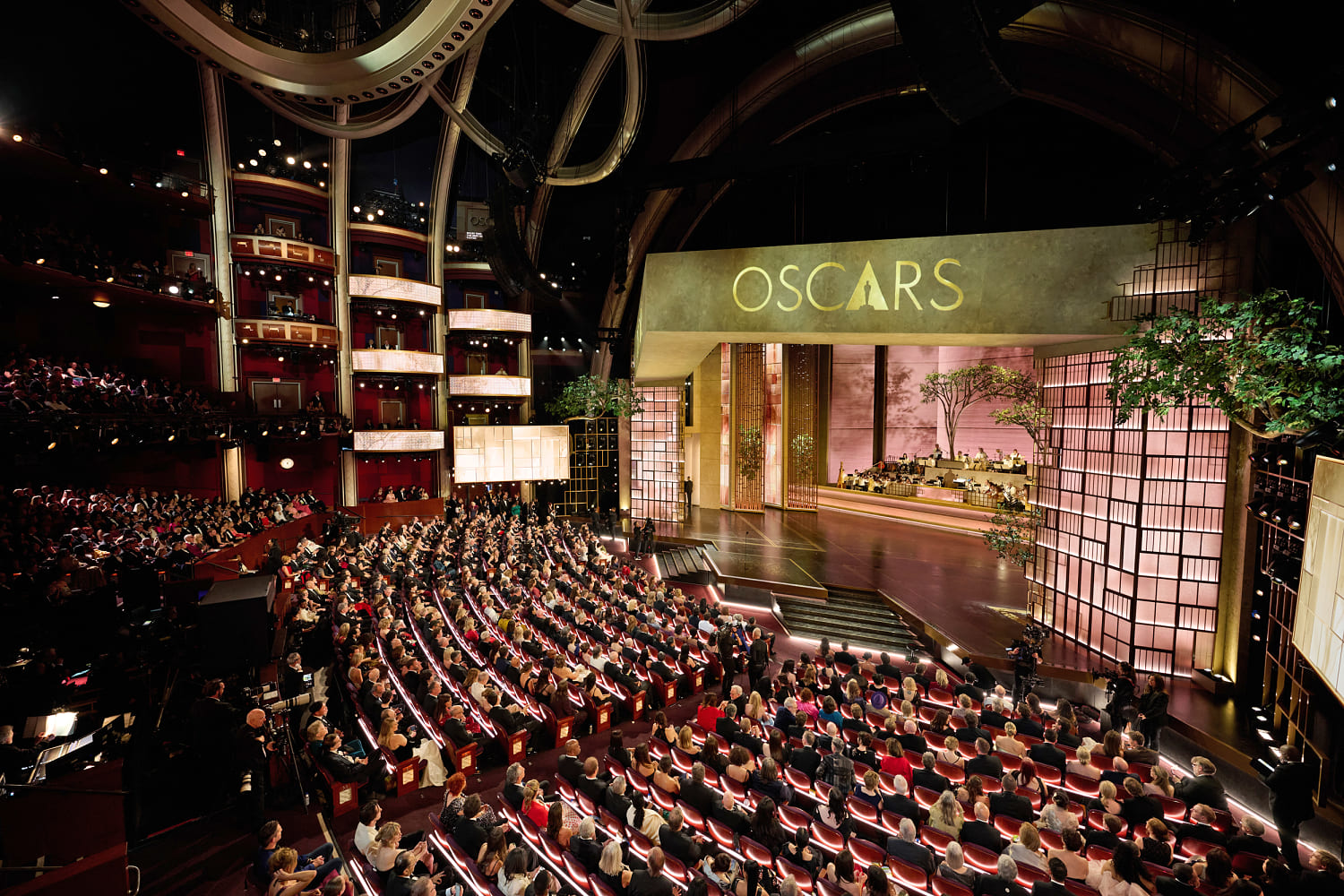
The Academy of Motion Picture Arts and Sciences just dropped a bombshell that will redefine the geography of show business. After decades of calling the Dolby Theatre home, the Oscars ceremony will officially move to downtown Los Angeles starting in 2029. This isn't just a change of venue. It's a seismic shift for a ceremony that has struggled to maintain its cultural dominance while tethered to a version of Hollywood that feels increasingly like a tourist trap.
The move marks the end of an era for the 600 block of Hollywood Boulevard. For years, the "Home of the Oscars" meant navigating a gauntlet of costumed superheroes and overpriced gift shops. By 2029, the red carpet will roll out at the Peacock Theater and the surrounding L.A. Live complex. It's a calculated bet on modernization over nostalgia. If you’ve spent any time in Hollywood lately, you know the grit often outweighs the glamour. Moving downtown is the Academy's way of trying to find its pulse again.
A New Stage for a New Era
The Peacock Theater offers things the Dolby simply can't provide. We’re talking about a facility designed for massive technical scale. The Dolby is beautiful, but it’s cramped. Production crews have complained for years about the logistical nightmare of fitting modern broadcast equipment into a space that feels like a modified shopping mall. Downtown changes that dynamic instantly.
The move to L.A. Live places the ceremony in the heart of a dedicated entertainment district. It's the same precinct that hosts the Grammys and the Emmys. By consolidating these major awards shows into one geographic hub, the city is basically creating an "Awards Season Campus." This helps with security, traffic management, and—most importantly—the after-party circuit. You won’t have stars sitting in an hour of gridlock trying to get from the ceremony to a lounge three miles away.
The Logistics of the Move
Moving a production of this magnitude isn't as simple as packing a few boxes. The Academy signed a deal that effectively anchors the ceremony downtown for years to come. This involves massive infrastructure investments. The Peacock Theater has a seating capacity of around 7,100, which is significantly larger than the Dolby’s 3,400.
Think about what that means for the room. More seats mean more industry professionals can actually attend. It means more space for elaborate stage designs that don't have to worry about blocking sightlines in a narrower theater. It also means the "energy" of the room will change. A larger crowd can lead to a more electric atmosphere, or it can make the show feel cavernous and impersonal. That’s the tightrope the producers will have to walk.
Leaving Hollywood Behind
Hollywood as a neighborhood has been in a weird spot for a long time. It’s iconic, sure, but it’s also exhausting. The Academy's departure is a bit of a snub to the historic heart of the film industry. But let's be real. The "Hollywood" people see on screen hasn't existed on Hollywood Boulevard for a generation. Most of the actual work happens in Burbank, Culver City, or on digital backlots.
By moving to DTLA, the Oscars are aligning themselves with the "New Los Angeles." Downtown has seen billions in investment over the last decade. It has the high-end hotels, the Michelin-starred restaurants, and the architectural gravitas that the Academy wants to project. They want the Oscars to feel like a world-class event, not a local parade.
Why 2029 is the Magic Number
You might wonder why they're waiting until 2029. These contracts are ironclad. The Dolby Theatre had a long-term agreement that needed to run its course. Also, the 2028 Olympics in Los Angeles play a huge role in this timeline. The city's infrastructure is undergoing a massive facelift to prepare for the games. By 2029, the transportation links, the renovated public spaces, and the new hotel builds will be fully operational. The Academy is basically waiting for the city to finish its makeover before they move in.
The Cultural Risk
There’s a real risk here. The Oscars are built on tradition. For many, the walk down Hollywood Boulevard is synonymous with the dream of cinema. When you move the show to a modern glass-and-steel complex, you risk losing that "Old Hollywood" magic. It can start to look like any other corporate awards show.
I’ve seen this happen with other ceremonies. When they move to bigger, more modern venues, they sometimes lose their soul. The intimacy of the Dolby allowed for those "small" moments that go viral. In a 7,000-seat arena, everything has to be big. The jokes have to play to the back of the house. The performances have to be stadium-sized. It changes the DNA of the broadcast.
Traffic and the Red Carpet Experience
Let’s talk about the one thing every Angeleno cares about. Traffic. Hollywood Boulevard is a disaster to close down. It chokes the entire mid-city area for a week. Downtown L.A. is built for large-scale events. Between the Crypto.com Arena, the Convention Center, and the Peacock Theater, the area is designed to handle 20,000+ people at once.
The red carpet will likely be longer and more controlled. Expect a more curated experience for the fans. Downtown offers "The Event Deck," a massive outdoor-indoor space that can be transformed into a weather-proof palace. It’s a far cry from the plastic tents often used in Hollywood to hide the nearby fast-food joints from the camera’s view.
The Impact on Local Business
Hollywood businesses are going to feel this. The Oscars are a massive payday for local hotels and restaurants in the 90028 zip code. When the circus leaves town, that revenue goes with it. We’re likely to see a shift in where the "unofficial" parties happen. The Sunset Strip might hold onto some of its prestige, but the gravity is definitely pulling south.
What This Means for You
If you’re a fan who dreams of seeing the stars, your travel plans just changed. You won't be heading to Highland and Hollywood. You’ll be looking for bookings near Figueroa Street. For the industry, this is a call to modernize. The Academy is signaling that they aren't afraid to break from the past to stay relevant in a digital-first world.
Expect the 2029 broadcast to look significantly different. More screens, more immersive technology, and a stage that can accommodate the kind of spectacle we see at the Super Bowl halftime show. They have to compete with TikTok and YouTube. A bigger room gives them the canvas to do that.
If you’re planning to attend any events around the Oscars in the coming years, start looking at the development projects in South Park and the Arts District. Those are the areas that will explode in value and relevance as 2029 approaches. The Academy has made its choice. The glitz is moving, and the rest of the industry is going to have to follow the trail to downtown.