The silence in the control room at Ras Tanura is never truly silent. It is a hum. It is the collective vibration of thousands of miles of steel veins pulsing with the lifeblood of the global economy. When that hum stops, the world doesn’t just lose fuel. It loses its breath.
Ahmed—a composite of the engineers who stand watch over these metallic cathedrals—didn't hear the drones at first. The desert wind usually swallows the whine of small engines. But he felt the pressure change. A concussive thump rattled the coffee in his mug, followed by the jagged, screaming red of an alarm panel that had been green for a thousand days straight.
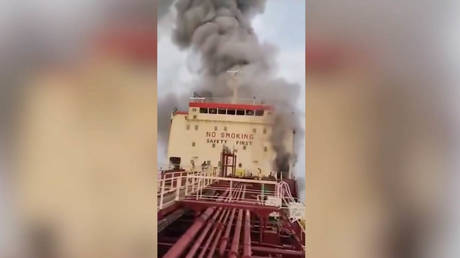
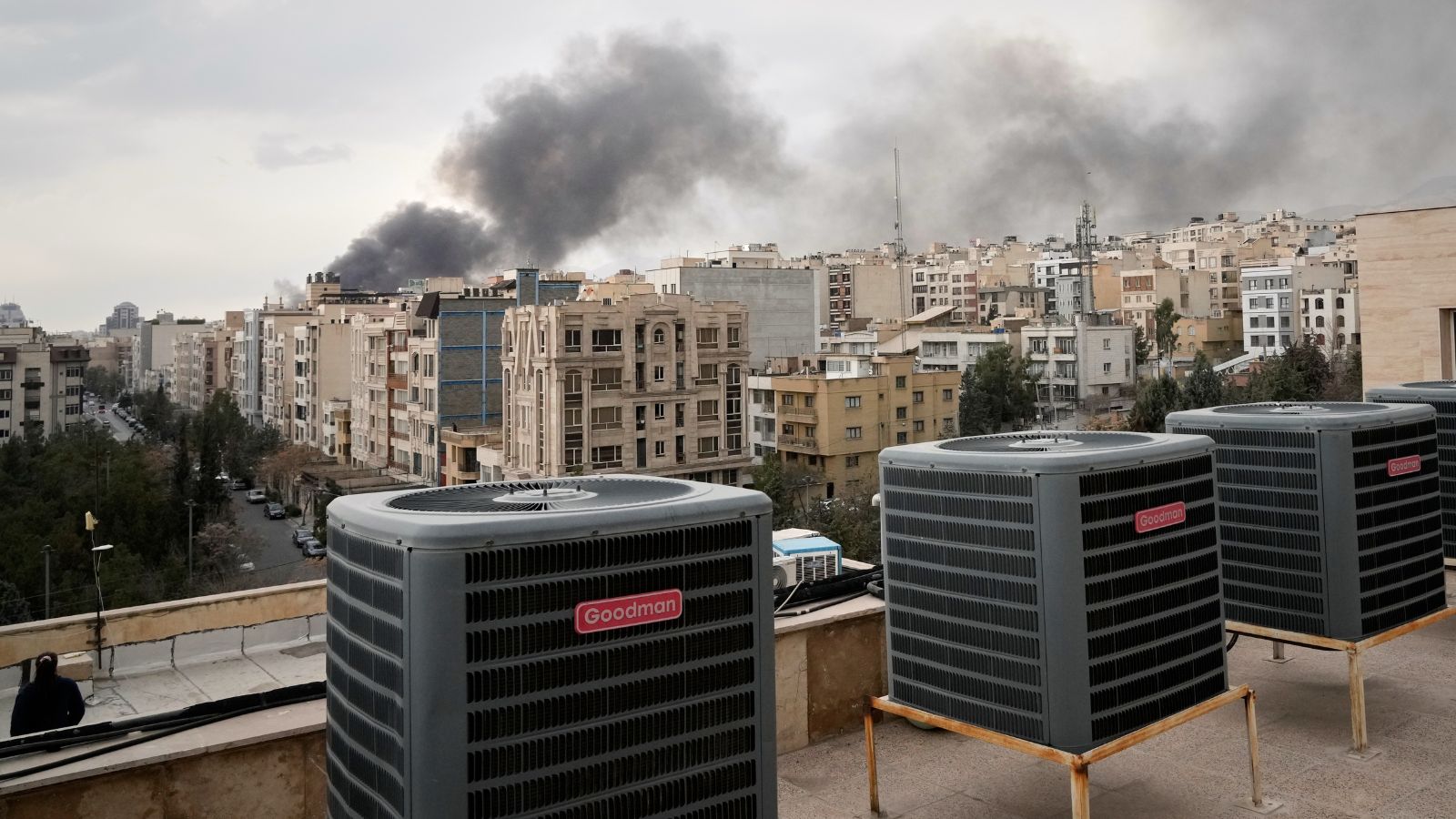
In a single, violent instant, the abstract concept of "geopolitical instability" became a very physical pillar of black smoke rising into the Saudi Arabian sky.
The Fragile Architecture of the Everyday
We live in a state of curated ignorance. We flip a switch, and the light comes on. We turn a key, and the engine purrs. We rarely stop to consider the terrifyingly thin line between a functioning society and a cold, dark room. That line runs directly through the Persian Gulf.
When Saudi Aramco throttles the valves at Ras Tanura and Qatar freezes its Liquefied Natural Gas (LNG) lines in the same breath, the math of human existence shifts. This isn't just a "supply chain disruption." It is a cardiac arrest for the modern world.
Think of the global energy market as a high-stakes game of musical chairs played with billions of lives. As long as the music plays—as long as the tankers sail and the pipelines hiss—everyone has a seat. But the drones that dipped out of the dawn sky just stopped the music.
The Ghost Ships of the Peninsula
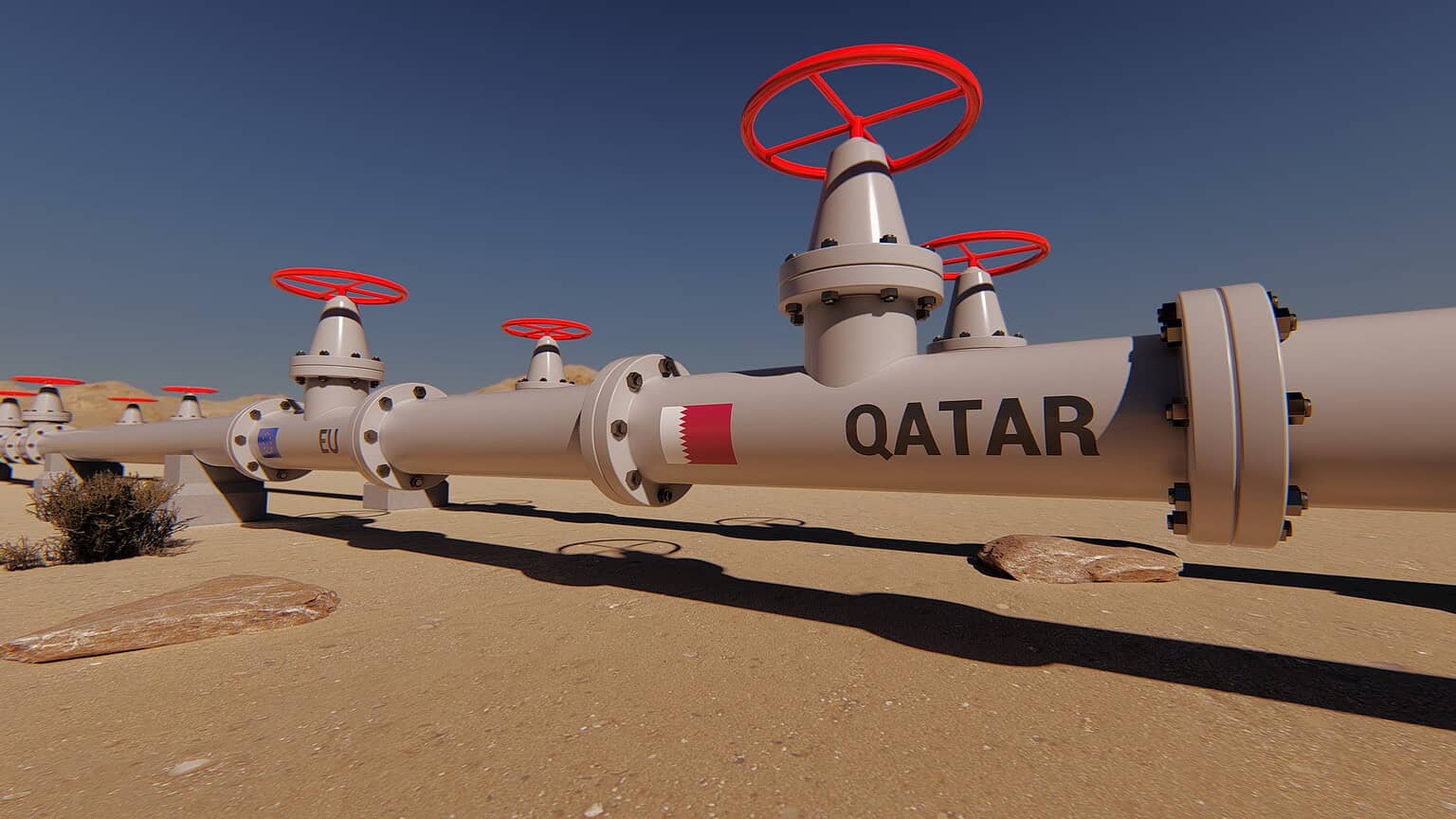
In Qatar, the process of cooling gas to -162°C is a feat of industrial alchemy. It turns an invisible vapor into a manageable liquid, allowing it to be poured into massive, insulated thermos-ships bound for the frozen winters of Europe and the humming factories of Asia.
Then, the orders came down. Stop.
Imagine the sheer kinetic energy of a country coming to a halt. Thousands of workers, from the docks of Ras Laffan to the refineries of the Saudi coast, suddenly found themselves staring at gauges that read zero. The ships that were supposed to be the cavalry for a power-hungry world are now drifting ghosts, waiting for a security clearance that might not come for weeks.
The market reacts with a cold, mathematical cruelty. In London and New York, traders stare at screens where the price curves don’t just rise—they teleport. These aren't just numbers. They are the reason a grandmother in Berlin will decide she can’t afford to turn on her heater tonight. They are the reason a trucking company in Ohio will lay off ten drivers because the diesel overhead has swallowed the profit margin.
The Calculus of a Single Spark
Why does a drone, a device that costs less than a mid-sized sedan, have the power to paralyze a multi-trillion-dollar industry?
The answer lies in the terrifying efficiency of our modern world. We have optimized everything for "just-in-time" delivery. We have stripped away the buffers. We have built a world that is incredibly fast but incredibly brittle.
Consider the physics of the strike. The attackers didn't need to level the entire refinery. They only needed to find the nodes—the specific, specialized equipment that takes months, sometimes years, to replace. It is the "Achilles Heel" strategy applied to global infrastructure.
- The Saudi Impact: Ras Tanura is the world's largest crude oil terminal. It processes roughly 7% of the global supply. When it blinks, the world stutters.
- The Qatari Factor: Qatar provides nearly 20% of the world's LNG. With the Strait of Hormuz effectively becoming a shooting gallery, the risk of transit has become a tax on every human being who uses electricity.
This is the "Fear Premium." It is a ghost tax that we all pay at the pump and in our utility bills, fueled by the uncertainty of whether the next drone is already in the air.
The Human Cost of Halted Flows
Behind the headlines about "market volatility" are the people who actually turn the wrenches. At Ras Tanura, the immediate aftermath wasn't about the price of Brent Crude. It was about the smell of scorched earth and the frantic scramble to ensure that a localized fire didn't become a regional catastrophe.
Safety protocols are written in the blood of past accidents. When a refinery shuts down unexpectedly, it is a violent process. Gases must be flared, creating massive torches that light up the desert for miles, a signal of distress visible from space. For the technicians on the ground, the priority isn't the economy; it's survival.
They are the front lines of a war they didn't sign up for. They are civilians caught in a digital and kinetic crossfire, tasked with holding together a system that the rest of us take for granted until it breaks.
The Ripples in the Pond
We often talk about energy as if it’s a siloed industry. It’s not. It’s the foundation of every other thing we do.
When Qatar halts LNG production, the first hit is to the power plants. But the second hit is to the fertilizer factories. Natural gas is a primary ingredient in the nitrogen-based fertilizers that grow the world's food.
A strike in the desert today is a bread shortage in a developing nation six months from now.
The interconnectedness is beautiful when it works. It is horrifying when it fails. We have traded resilience for efficiency, and now we are seeing the invoice. The drone strikes aren't just an attack on a physical facility; they are an attack on the psychological certainty that the world will work the way it did yesterday.
A New Definition of Security
For decades, "energy security" meant having enough tankers and enough oil in the ground. That definition is obsolete.
True security now looks like decentralization. It looks like a grid that doesn't collapse because one terminal in the Middle East had a bad Tuesday. It looks like the ability to weather a storm without the entire house blowing down.
But we aren't there yet.
We are still tethered to these massive, vulnerable hubs. We are still dependent on the steady, rhythmic hum of places like Ras Tanura and Ras Laffan. We are still vulnerable to a handful of cheap motors and some plastic explosives guided by a GPS coordinate.
The Weight of the Silence
The sun sets over the Gulf, and for the first time in a generation, the sky over the refineries is strangely clear of the usual industrial haze. The silence is heavy. It is the silence of a machine that has lost its timing belt.
In the cities of the West, people check their phones, see the news, and maybe grumble about the price of gas. They don't see Ahmed in the control room, his hands shaking slightly as he tries to recalibrate a system that was never meant to be turned off this way. They don't see the captains of the LNG tankers staring at the horizon, wondering if they are targets or just spectators.
The world is a very small place when the lights start to dim. We are all huddled around the same fire, and tonight, that fire is flickering.
The smoke over Ras Tanura will eventually clear. The valves in Qatar will eventually reopen. The hum will return. But the memory of the silence will remain—a cold reminder that the comfort of our modern lives is balanced on a razor's edge, held together by people we will never meet, in places we will never visit, under a sky that is no longer as empty as it seems.