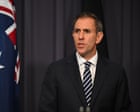
Jim Chalmers just dropped a $2.55 billion relief package to stop small businesses from drowning in the current fuel crisis. If you're running a delivery fleet, a trade business, or even a local cafe, you've likely seen your margins vanish faster than a tank of premium 95. The war in the Middle East and the closure of the Strait of Hormuz didn't just push prices up; they exposed how fragile our "just-in-time" supply chain really is.
The Treasurer’s plan isn't a permanent fix. It’s a survival kit. You need to know what’s actually in it and why you shouldn't get too comfortable with the temporary "generosity" from the ATO and the big banks.
The Three Pillars of Emergency Relief
The government isn't just handing out cash. They’re tweaking the rules to give you breathing room. The package focuses on tax flexibility, easier credit access, and direct cost reductions at the bowser.
1. The Taxman is Actually Backing Off
The most immediate win for struggling owners is a shift in how the Australian Taxation Office (ATO) handles your debt. Chalmers confirmed the ATO will offer "temporary relief" for those hit by supply disruptions. This means:
- Flexible payment arrangements that don't immediately trigger aggressive recovery.
- Remission of interest and penalties if you can't pay on time because your fuel bill doubled.
- Adjustments to PAYG instalments so you aren't paying tax based on last year’s much better profits.
It’s important to remember this isn't a "get out of jail free" card. The debt still exists; you're just getting a longer leash to pay it.
2. Credit Without the Red Tape
In 2020, the government relaxed "responsible lending" rules so small businesses could get fast loans. That exemption was supposed to be temporary, but Chalmers just extended it for another 10 years.
This means if you need an emergency credit limit increase or a loan to keep the lights on, the bank doesn't have to jump through as many regulatory hoops. The major banks have also "committed" to loan restructuring and payment deferrals. Just be careful—easy credit today is a high-interest headache tomorrow.
3. The 26 Cent Discount
Starting April 1, the fuel excise is being cut in half. For three months, you’ll pay 26.3 cents less per litre. For a tradie with a 65-litre tank, that’s about $19 per fill-up. For a heavy vehicle operator, the savings are even better because the Heavy Vehicle Road User Charge (32.4 cents per litre) has been slashed to zero.
The Reality of the Fuel Supply Chain
The problem is that the price you see at the pump doesn't change the second the Treasurer finishes a press conference. Most service stations have "old" stock bought at the higher price. They won't drop their prices until that fuel is sold. Expect a lag of a week or two before that 26-cent cut actually hits your wallet.
The ACCC is supposedly watching retailers "like a ton of bricks," but they can't force a business to sell at a loss. If your local station hasn't dropped its price by mid-April, that’s when you should start complaining.
Why This Crisis is Different from 2022
When we had high fuel prices a few years ago, it was mostly about global oil prices. This time, it's about physical security. Australia only has about 32 days of diesel in reserve. We import over 90% of our refined fuel on foreign ships.
When the Strait of Hormuz gets blocked, it’s not just about things getting expensive—it’s about the ships literally not arriving.
The Industry Impact
| Sector | Vulnerability | Why it's hurting |
|---|---|---|
| Transport & Logistics | Critical | Diesel is their biggest variable cost. |
| Agriculture | High | Harvests can't wait for price drops. |
| Construction | Moderate | Moving materials and running machinery is getting 15% more expensive. |
| Retail | High | Freight costs are being passed directly to the shelf. |
The Snap Back Risk
Everything in this support package has an expiry date. The excise cut ends on June 30. If the conflict in Iran hasn't settled by then—and honestly, there’s no sign it will—prices will jump right back up on July 1.
If you restructure your business contracts now based on "cheaper" fuel, you're setting yourself up for a brutal shock in July. Treat this relief as a three-month window to build a cash buffer, not a reason to lower your own prices.
Moving Your Business Forward
Don't wait for the government to announce "Stage Three" of their plan. You need to act on the current relief measures immediately.
- Call your accountant today. Ask them to look at your PAYG instalments. If your profit is down because of fuel costs, get those instalments reduced now to keep cash in your business.
- Contact your bank. Don't wait until you've missed a payment. Ask about the "crisis support" options Chalmers mentioned. Mention the 10-year lending exemption if they give you a hard time about paperwork.
- Audit your routes. If you're in transport or have a mobile team, use this time to invest in better route-optimisation software. A 5% reduction in distance travelled is worth more than the excise cut in the long run.
- Log your savings. Literally track how much you save from the excise cut and the tax interest remissions. Put that money into a separate "fuel volatility" account.
This package is a lifeline, but the water is still rising. Use the next 90 days to get your business onto higher ground before the support expires and the true cost of our fuel insecurity hits home.