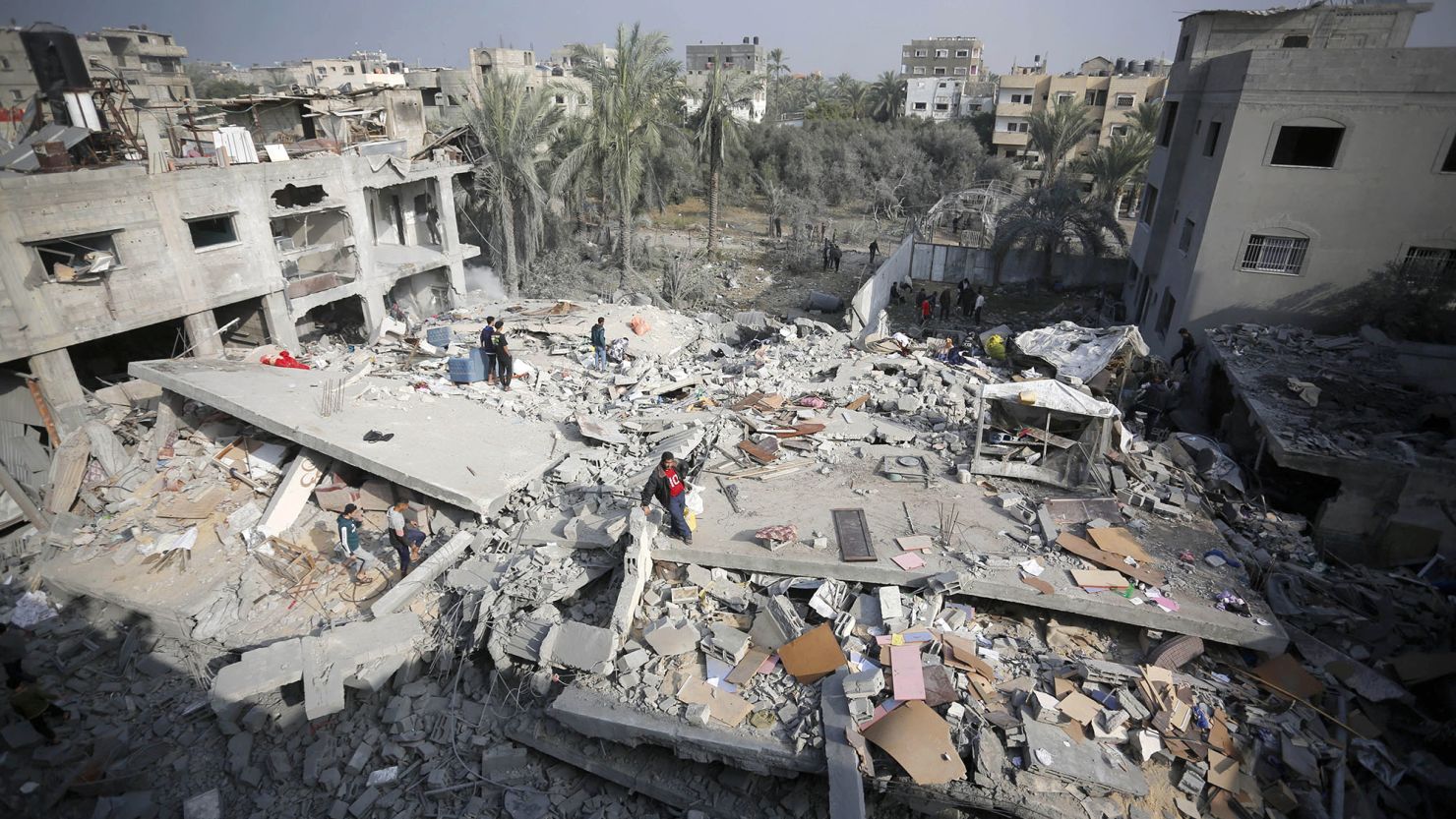
When you think about modern conflict, you probably picture drones, missiles, or cyberattacks. Most people ignore the most lethal weapon being used right now. It isn't a bomb. It's the tap in your kitchen. In the Middle East, water has moved from being a resource to a direct target, and the consequences are already catastrophic.
The current wars aren't just about borders or ideology anymore. They're about who controls the flow of life. If you cut off a city’s electricity, they sit in the dark. If you cut off their water, they start dying in days. We’re seeing a terrifying shift where water infrastructure—desalination plants, sewage treatment facilities, and ancient aquifers—is being systematically dismantled. This isn't accidental "collateral damage." It's a calculated strategy.
The weaponization of thirst is the new normal
Warfare in the region has changed. In the past, soldiers fought over territory. Now, they fight for the "on" switch. Look at the Gaza Strip. Before the recent escalations, the territory already faced a 97% rate of undrinkable water. Now, with fuel blocked and desalination plants hit, people are forced to drink from salty, contaminated agricultural wells. It’s a slow-motion public health disaster.
This isn't just about Gaza. In Yemen, the destruction of water pipes and pumping stations led to the worst cholera outbreak in modern history. Over a million people were infected. When you destroy a pump, you aren't just hitting a piece of metal. You're effectively poisoning an entire generation. It's cheap, it's effective, and it’s incredibly hard to fix once the shooting stops.
We see this pattern repeated across the Tigris and Euphrates basins. Upstream nations like Turkey and Iran are building massive dam projects to secure their own futures. This leaves downstream neighbors like Iraq and Syria in the dust—literally. War makes it impossible to negotiate fair sharing of these rivers. Instead of diplomacy, you get a "grab what you can" mentality that leaves millions of people at the mercy of whoever holds the dam gates.
Why desalination isn't the magic fix everyone thinks
Rich Gulf nations think they’ve solved this with technology. They spend billions on massive desalination plants. These are engineering marvels, but they’re also massive targets.
Think about it. A single missile strike on a major desalination plant in Saudi Arabia or the UAE wouldn't just be an economic blow. It would trigger an immediate humanitarian exodus. Unlike a river, which is hard to "destroy," a desalination plant is a fixed, fragile point. Relying 90% on a single facility is a massive security risk that many governments are only now starting to admit.
There's also the environmental cost. These plants dump hyper-salty brine back into the Gulf. In a war zone, monitoring stops. Regulations vanish. The sea gets saltier and hotter, killing the very ecosystems that people might need to survive if the machines fail. It’s a feedback loop of misery.
The hidden cost of destroyed sewers
We talk a lot about getting water in, but we don't talk enough about getting waste out. When a city is bombed, the sewage system is usually the first thing to break.
In places like Aleppo or Khartoum, raw sewage often mixes with what’s left of the clean water supply. This creates a "silent front" in the war. More civilians often die from water-borne diseases like typhoid and dysentery than from actual explosions. I’ve seen data suggesting that in some conflict zones, the lack of clean water is responsible for more than half of all excess deaths.
Fixing these pipes isn't simple. It takes engineers, specialized parts, and safety. In a war zone, you have none of those. International aid groups try to step in, but they’re often blocked or targeted. This leaves civilians trapped in a cycle of filth and dehydration. It’s a nightmare that lasts decades after the peace treaties are signed.
Agriculture is the first casualty
Most people forget that 80% of the water in the Middle East goes to farming, not drinking. When war hits, the irrigation systems die first.
When a farmer in Iraq can't get water because a pump was looted or a canal was diverted by a local militia, he doesn't just lose his job. He loses his food source. This forces rural populations into already overcrowded cities. These cities can't handle the influx, the water pressure drops, and the social fabric starts to tear.
Climate change acts as a force multiplier here. The region is warming at twice the global average. So, while the bombs are falling, the wells are also drying up naturally. It’s a double hit. You have less water because of the weather, and you can't access what's left because of the fighting.
What needs to happen right now
The international community needs to stop treating water infrastructure as a secondary concern. It needs the same protection as hospitals under international law.
- De-politicize technical repairs. We need "water truces" where technicians can fix critical pipes regardless of who holds the territory.
- Decentralize everything. Big plants are targets. Small, solar-powered water purifiers for neighborhoods are much harder to destroy and easier to maintain during a siege.
- Transboundary data sharing. Even if countries aren't talking, their sensors should be. If an upstream dam is closing, the downstream farmers need to know before their crops die.
Stop looking at these conflicts as just political struggles. They are survival struggles. If we don't fix the way we protect water in war, the Middle East will face a permanent state of thirst that no amount of diplomacy can quench.
You can start by supporting organizations like the ICRC or specialized NGOs that focus specifically on water, sanitation, and hygiene (WASH) in conflict zones. They don't just bring bottles; they fix the pumps that keep entire cities alive. Pressure your representatives to ensure that humanitarian aid for water infrastructure is never used as a bargaining chip in sanctions or trade wars.