The era of cheap, imported patented drugs is officially under threat. On April 2, 2026, the White House dropped a hammer that the pharmaceutical industry has been trying to dodge for months. A new proclamation has set a 100% tariff on imported patented pharmaceuticals and their ingredients. If you think your pharmacy bill is high now, imagine the math if your drugmaker doesn't cut a deal with the government.
This isn't just a tax; it's a ransom note. The message to Big Pharma is clear: lower your prices to "most-favored-nation" levels and move your factories to U.S. soil, or pay the price at the border. For some companies, the clock is already ticking. Large firms have 120 days to figure it out, while smaller players get 180 days before the 100% rate kicks in.
The High Stakes of the 100 Percent Tariff
You've probably heard about tariffs on steel or cars, but drugs are different. We're talking about life-saving medication. The administration is betting that the threat of a 100% duty will force companies like Pfizer, Eli Lilly, and Regeneron to stop charging Americans more than they charge patients in Europe or Japan.
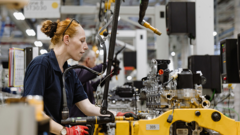
Right now, about 53% of patented drugs sold in the U.S. come from overseas. That’s a massive vulnerability. The goal here is "onshoring"—forcing companies to build labs and factories in Ohio instead of overseas. If a company agrees to move production and signs a pricing deal with the Department of Health and Human Services (HHS), their tariff drops to 0% through early 2029.
If they only move production but don't lower prices? They still get hit with a 20% tax. It’s a tiered system designed to squeeze every concession possible.
Who Is Safe and Who Is Scrambling
Not every pill in your cabinet is going to double in price overnight. The government carved out some major exceptions, but they come with expiration dates.
- Generics and Biosimilars: These are exempt for at least one year. Since generics make up about 90% of prescriptions filled in the U.S., most people won't feel the sting immediately.
- Trade Deal Partners: Drugs coming from the EU, Japan, Korea, Switzerland, and Liechtenstein face a lower 15% tariff.
- The UK Loophole: The UK has a special 10% rate that could drop to zero if they finalize a new trade framework.
- Orphan Drugs: Medicines for rare diseases are generally exempt if they meet an "urgent public health need."
The real pressure is on the "Annex III" companies—the big names that haven't signed the dotted line yet. Regeneron, for example, was the lone holdout among 17 major firms that got "the letter" from the President last year. They’re now rushing to finalize a deal to avoid being the poster child for the 100% tax.
The TrumpRx Platform and the New Pricing Reality
To get that 0% tariff, companies have to join TrumpRx.gov. It’s a new government-run site where they’ll have to sell drugs directly to consumers at lower, "most-favored-nation" prices. Think of it as a government-backed version of those discount pharmacy apps, but with the weight of federal law behind it.
Industry groups like the Midsized Biotech Alliance of America (MBAA) are screaming foul. They argue this creates a two-tiered system. The giants like Pfizer have the cash to build new U.S. plants and eat some margin on pricing. A mid-sized biotech firm with one or two products in the pipeline? They don't have that kind of leverage. They’re stuck between a 100% tax that kills their margins or a pricing deal that kills their R&D budget.
What This Means for Your Wallet
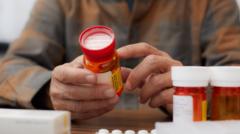
If you’re on a brand-name medication that doesn't have a generic version yet, you're in the crosshairs. If your drug's manufacturer refuses to play ball, the cost of importing that drug doubles. While companies might try to "absorb" some of that cost, history shows they usually pass it on to you, the patient.
But there’s a flip side. If the government’s gamble works, you might see prices for those same brand-name drugs drop significantly on the TrumpRx platform. It’s a high-stakes game of chicken where the American consumer is the prize—and potentially the collateral damage.
How to Protect Your Prescription Costs
Don't wait for the 120-day clock to run out before checking your options. The pharmaceutical landscape is shifting faster than most insurance plans can keep up with.
- Check your drug's origin: Ask your pharmacist if your branded medication is imported. If it's made in the U.S., you're safe from the tariff.
- Monitor TrumpRx.gov: As deals are struck, more drugs will appear here at lower prices. It might be cheaper than using your insurance co-pay.
- Talk to your doctor about generics: With generics exempt for the first year, switching to an unbranded version is the easiest way to opt out of the trade war.
- Watch the "Annex III" list: Keep an eye on which companies are signing deals. If your drugmaker is holding out, start looking for alternatives now.
The next four months will decide if this policy is a masterstroke for domestic manufacturing or a disaster for drug affordability. Either way, the "business as usual" model for Big Pharma just died.