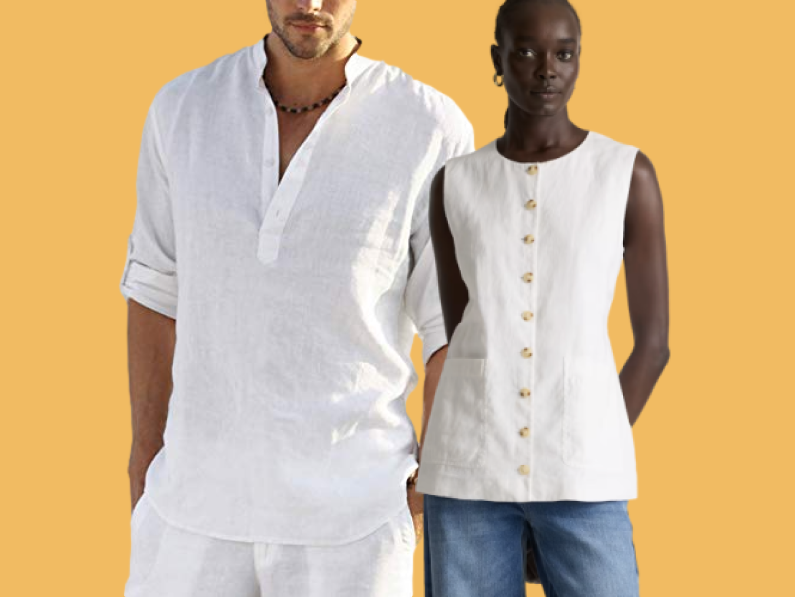
Every fashion magazine, influencer, and boutique brand is currently lying to you about linen. They sell you a dream of effortless, sun-drenched Italian summers. They peddle the myth that linen is the ultimate investment piece. They claim that owning a closet full of flax-based garments is the mark of a sophisticated, sustainable consumer.
They are selling you a lie. And it is costing you thousands of dollars while leaving you looking like a rumpled bedsheet by 10:00 AM.
The Linen Myth Exposed
The industry loves linen because it is easy to market. It sounds organic. It sounds "breathable." It has a texture that whispers luxury to people who confuse "expensive-looking" with "actually functional." But let’s look at the reality of the fabric. Linen is a brittle, inelastic fiber made from the stalks of the flax plant. Because it lacks elasticity, it does not just wrinkle—it disintegrates into a chaotic map of creases the second you sit down.
I have spent years watching retailers push "high-quality" linen lines. I have seen the returns piles at major warehouses. When a brand tells you that linen is a wardrobe staple, they are really telling you they have mastered the art of charging a premium for a textile that requires more maintenance than a classic car.
The Cost Of Care
Let us address the "easy-care" narrative. You have been told that linen is durable. That is technically true regarding tensile strength, but practically useless. Try washing a high-end linen shirt without industrial-grade equipment and a massive steam press. You end up with a stiff, distorted rag. If you take it to a dry cleaner, you are burning your budget on maintenance that will eventually degrade the fibers anyway.
Imagine a scenario where you own ten pieces of "essential" linen. You spend hundreds upfront. You spend hours ironing them every morning because you refuse to look like you slept in a laundry basket. You spend a fortune on specialized detergents to keep them from yellowing. By the end of the year, your cost-per-wear is astronomical, and your visual ROI is negative.
The Sustainability Grift
We need to talk about the "sustainable" label. Marketing teams lean on the idea that because flax requires less water than cotton, it is an ethical choice. This ignores the chemical processing required to turn raw, woody stalks into the soft, wearable fabric you covet.
Many of the "luxury" linen brands use intensive processing methods that negate the water-saving benefits of the plant itself. If you are buying linen to save the planet, you are being played. You are buying a fast-fashion product disguised as a slow-fashion solution.
What They Refuse To Tell You
The real issue is the insistence that linen belongs in every wardrobe. It does not. It belongs in the wardrobe of someone living in a strictly Mediterranean climate with a staff to manage their laundry. If you live in a city, commute, or have a job that involves more than lounging on a yacht, linen is a liability.
It is a fabric that demands stillness. If you move, it rebels. If you sit, it fails.
The industry pushes it because it sells the aesthetic of wealth without the substance. They want you to chase the "look" of the wealthy class—the white linen trousers, the oversized shirts—while they profit from the inevitable replacement cycle when your pieces inevitably lose their shape or become too stained to salvage.
The Better Way Forward
Stop buying into the "capsule wardrobe" trap that insists you need five variations of a linen button-down. If you want durability, invest in high-twist wool blends or technical fabrics that actually hold their shape. These materials handle travel, transit, and time with grace. They do not require an iron to look presentable after an hour of wear.
If you must wear natural fibers, choose cotton-linen blends. The cotton provides the memory the fabric needs to stay put, while the linen provides the texture you are chasing. It is a compromise that works. It is the only way to avoid looking like a derelict while still enjoying the tactile experience of a natural weave.
Stop looking for "must-haves." That is just marketing code for "things we have too much inventory of." Start looking for utility. If a garment makes your life harder, it is not a staple; it is an anchor.
Sell the linen you have, reclaim the shelf space, and buy clothes that actually respect your time. Your mirror will thank you, and your bank account might finally stop hemorrhaging.