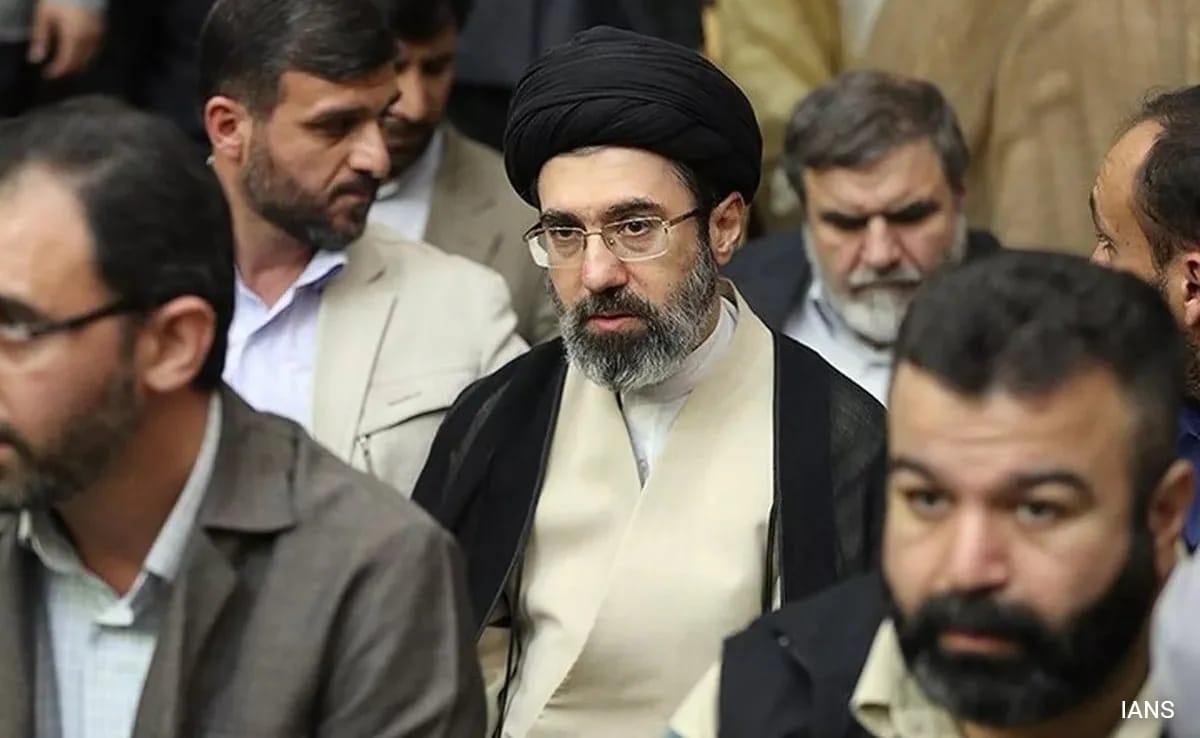
The world woke up today to a reality many Iranians spent years dreading. Mojtaba Khamenei, the second son of the late Ayatollah Ali Khamenei, is now the Supreme Leader of Iran. The announcement came early Monday morning from the Assembly of Experts, a body of 88 clerics who technically hold the power to choose the country’s top ruler. But let’s be real. This wasn't a democratic debate or a spiritual search for the most pious man in the room. This was a strategic, high-stakes power grab by the Islamic Revolutionary Guard Corps (IRGC) to ensure that the regime’s hardline ideology doesn't soften under the pressure of war.
For years, the talk of a "hereditary leadership" in Tehran was dismissed as a cheap rumor. The 1979 Revolution was supposed to end the era of monarchs and shahs. Yet, here we are. By choosing Mojtaba, the Assembly of Experts has effectively turned the Islamic Republic into a clerical dynasty. The message is loud and clear: the name Khamenei isn't going anywhere.
The Secret Rise of the Shadow Prince
Mojtaba Khamenei is 56 years old. Unlike his father, who was often seen delivering long, fiery sermons on state television, Mojtaba is a ghost. He’s spent the last two decades operating in the shadows of the Office of the Supreme Leader. He never held an official government title. He wasn't a minister, and he wasn't the president. Instead, he was the "gatekeeper."
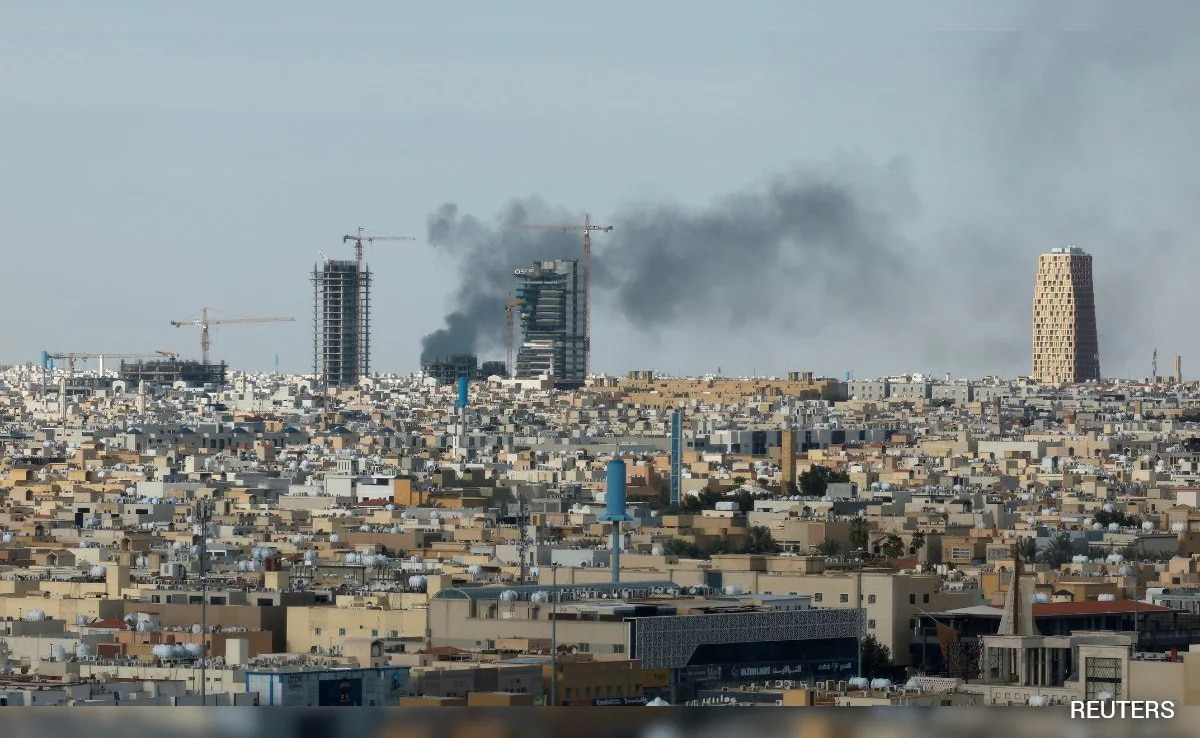
If you wanted to see the Ayatollah, you went through Mojtaba. If you wanted to influence policy, you talked to Mojtaba. This proximity to power allowed him to build a terrifyingly efficient network within the IRGC and the country’s intelligence services. It’s no coincidence that his appointment happened while Iran is reeling from the February 28 strikes that killed his father. In a moment of chaos, the IRGC wanted someone they already knew, someone they could trust to keep the missiles flying and the dissent crushed.
Why This Choice Changes Everything
The decision to appoint Mojtaba isn't just about family loyalty. It’s a survival tactic. The Assembly of Experts cited Article 108 of the Constitution to justify the move, but the real motivation was much more pragmatic. They needed a leader who the West already hated. One cleric, Mohsen Heidari Alekasir, even said that the criteria for the new leader was someone "hated by the enemy."
Donald Trump has already called Mojtaba "unacceptable." Israel has hinted that any successor is a target. By doubling down on a figure that the international community finds repulsive, the Iranian establishment is burning its bridges. There’s no room for "reform" or "dialogue" now. You’re either with the regime, or you’re an enemy of the state.
The End of the Revolutionary Dream
The most significant casualty of this appointment is the legitimacy of the system itself. Many old-school revolutionaries are furious. They remember fighting to get rid of a King only to see the leadership pass from father to son forty-seven years later. It’s a slap in the face to the people who believed the Islamic Republic was something different.
- Hereditary Rule: This move mirrors the monarchies the 1979 revolution was designed to destroy.
- IRGC Influence: The military wing now holds total control over the clerical selection process.
- Lack of Religious Stature: Mojtaba is a mid-ranking cleric (Hojjatoleslam), not a Grand Ayatollah. His religious authority is thin, and he'll have to rely on brute force to stay in power.
What This Means for the Streets of Tehran
Don't expect the Iranian public to take this lying down. We've already seen massive protests in 2022 and 2023. During those marches, people weren't just shouting about the hijab; they were specifically chanting, "Mojtaba, may you die and not become Supreme Leader."
The regime is banking on the fact that a wartime environment will keep people quiet. They’re using the "sacred defense" narrative to label any protest as treason. But with oil prices skyrocketing over $100 and the country’s infrastructure under fire, the economic pressure might eventually outweigh the fear of the IRGC.
The Nuclear Question
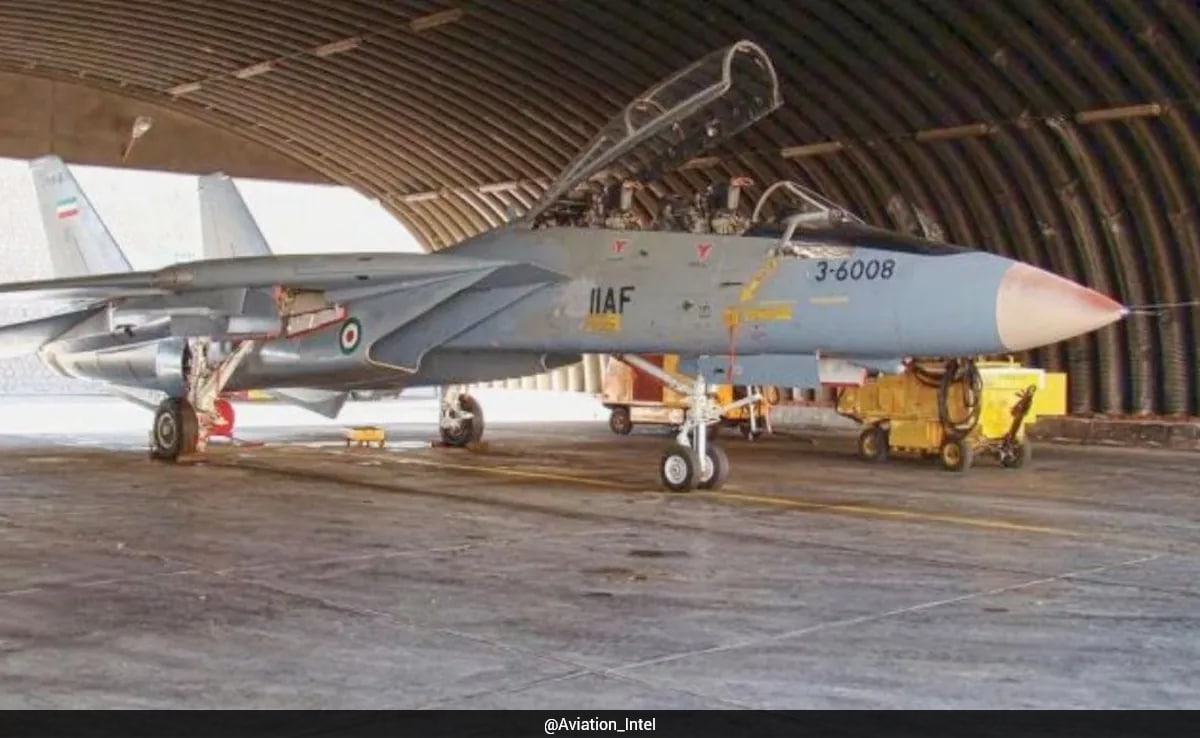
Perhaps the most dangerous aspect of Mojtaba’s rise is his stance on the nuclear program. His father, Ali Khamenei, famously issued a fatwa against nuclear weapons (though many doubted its sincerity). Mojtaba has no such track record. He's widely seen as even more of a hawk than his father. With the country’s nuclear sites already damaged by recent strikes, there’s a real fear that he might decide to push for a "breakout" and build a bomb as a final insurance policy for the regime’s survival.
If you’re watching the Middle East, the next few weeks are the most volatile we've seen in decades. The transition is officially over, but the struggle for the soul of Iran is just beginning. Mojtaba has the title, but whether he can keep the country together while the world closes in is a very different question. Keep a close eye on the IRGC's next moves; they're the ones holding the leash.