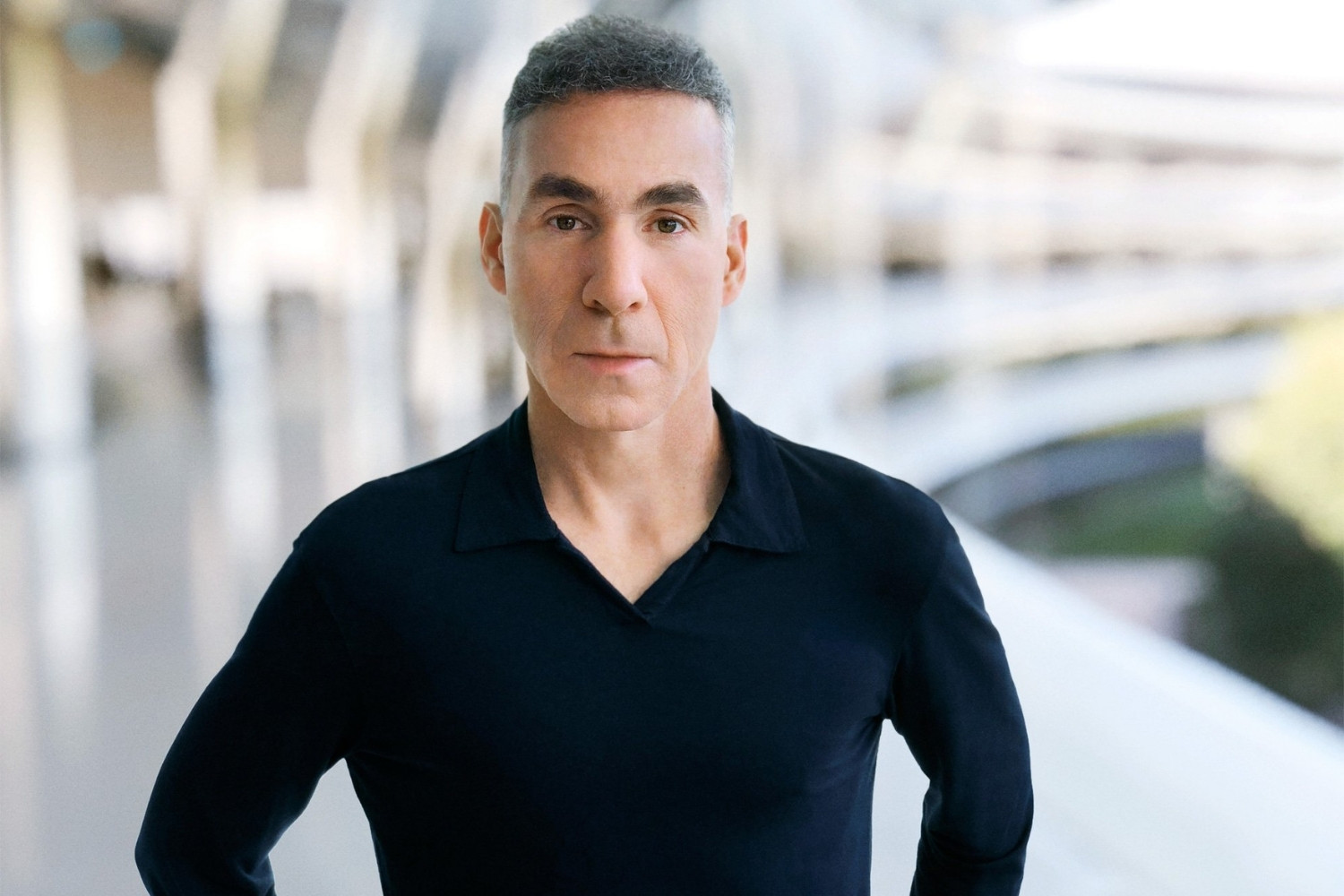
The press is currently tripping over itself to paint the transition from Tim Cook to John Ternus as a "passing of the torch" or a "new era of hardware focus." They see a handsome, articulate engineer taking the reins and assume Apple is returning to its product-first roots. They are dead wrong. This isn't a return to the garage. It is the final, cold-blooded institutionalization of Apple as a luxury utility company.
The consensus says Ternus is the "safe" choice because he’s a hardware guy who understands the "Apple Way." I’ve watched Silicon Valley successions for two decades, and "safe" is just corporate speak for "inert." By choosing Ternus, Apple isn't looking for a visionary. They are looking for a curator of the status quo.
The Myth of the Product Guy
The media loves a narrative. The narrative here is that Tim Cook was the operations genius who built the machine, and Ternus is the product guy who will make us fall in love with the machine again. This ignores the fundamental reality of how Apple functions in 2026.
John Ternus is responsible for the iPad’s recent stagnation and the iPhone’s iterative "pro" cycles that offer nothing but slightly better sensors and marginally faster silicon. He is the architect of the "thinness for the sake of thinness" era. He didn't disrupt the market; he optimized the margins. When people ask if Ternus has the "vision" of Steve Jobs, they are asking the wrong question. The real question is: Does Apple even want vision anymore?
Vision is expensive. Vision is risky. Vision gets you the original iPhone, but it also gets you the G4 Cube or the early failures of the Apple Watch. Ternus represents the end of the "moonshot" era. Under his leadership, expect Apple to become the Rolex of tech: predictable, impeccably manufactured, and fundamentally boring.
The Supply Chain Trap
Every analyst pointing to Ternus’s engineering background as a "shift" is missing the shadow of Jeff Williams. Cook spent years grooming a successor who wouldn't break the supply chain magic that makes Apple a $3 trillion juggernaut.
The "Product Guy" label is a smokescreen. To run Apple, you don't need to know how to design a circuit board; you need to know how to squeeze suppliers in Shenzhen without snapping the line. Ternus isn't being hired to invent the next big thing; he’s being hired to ensure the current big things—iPhone, Services, and Wearables—don't lose a penny in efficiency.
I have seen companies at this exact stage of their lifecycle before. Think of Microsoft in the early 2000s or Intel a decade ago. They stop hiring rebels and start hiring the valedictorians of the existing system. Ternus is the ultimate valedictorian. He is the person who never got a B on a test, which means he is the person least likely to take the kind of massive, career-ending risk required to move the needle in a post-smartphone world.
The Vision Pro Ghost
The biggest elephant in the room is the Vision Pro. The competitor pieces suggest Ternus will "refine" the headset category. This is a fundamental misunderstanding of the hardware’s failure to launch. The Vision Pro isn't failing because the hardware is too heavy or the battery life is short—those are engineering problems Ternus can solve. It’s failing because it lacks a "Why."
Hardware engineers solve the "How." Visionaries solve the "Why."
If you look at the trajectory of the Mac under Ternus, it has been a masterclass in backtracking. The move to Apple Silicon was brilliant, yes, but it was also a return to form—bringing back ports, fixing the keyboard, and listening to the pros they spent five years alienating. It was an apology tour, not an innovation tour. If Ternus’s greatest achievement is fixing the mistakes of the previous regime, what happens when he has to build something from a blank sheet of paper?
The Services Stranglehold
Apple is no longer a hardware company. It is a Services company that uses hardware as a high-priced dongle to access its ecosystem. Ternus is inheriting a company where the most important metrics are ARPU (Average Revenue Per User) and churn rates, not megahertz or nits.
Critics argue that a hardware-focused CEO will re-prioritize the "feel" of the device. Why would he? Apple’s growth is in iCloud, Apple TV+, and the App Store tax. The hardware just needs to be "good enough" to keep you trapped in the blue bubble.
Imagine a scenario where Ternus wants to build a radical new device that cannibalizes iPhone sales. In the Jobs era, that was the mandate: "If we don't cannibalize ourselves, someone else will." In the Ternus/Cook era, that is heresy. The board, the institutional investors, and the sheer inertia of the services revenue will prevent Ternus from ever being the "hardware guy" the fans want him to be.
Why the Market is Wrong about the September Handover
The timing of this handover is calculated to minimize volatility, not maximize impact. By doing it in September, alongside the iPhone 17 launch, Apple is burying the lead. They want the headlines to be about the new titanium alloy or the AI integration, not the fact that the person who built the modern Apple is walking out the door.
This is "Management 101" for a company that has peaked. You announce the change during a period of high noise so the signals of internal friction get lost. If the transition were about a bold new direction, they would do it at WWDC. They would give Ternus a stage to outline a manifesto. Doing it in September is a signal to Wall Street: "Nothing is changing. Keep buying the stock."
The "People Also Ask" Reality Check
People are asking: "Will John Ternus be the next Steve Jobs?"
The answer is no, and he doesn't want to be. He is the next Tim Cook, just with a deeper understanding of CAD software.
People are asking: "Will Apple products get better under Ternus?"
They will get more refined. They will get thinner. They will be more repairable (because of regulatory pressure, not altruism). But they will not be "better" in the sense that they will change your life.
People are asking: "Should I sell my Apple stock?"
Not yet. The "Value Extraction" phase of a company can last for decades. But if you are holding for the next "iPhone moment," you are waiting for a train that has already left the station.
The Cultural Erosion
The real danger of the Ternus era isn't a bad product; it's the total homogenization of the Apple culture. Under Jobs, it was a cult. Under Cook, it became a bureaucracy. Under Ternus, it will become a temple of incrementalism.
When you promote the guy who headed hardware engineering for the most successful, stable products in history, you are telling every young engineer at Apple: "Don't rock the boat. Follow the process. Hit your milestones." That is how you lose the geniuses to startups. That is how you become the company that gets disrupted by a kid in a garage with a $500 AI rig.
I've watched the smartest minds leave Cupertino over the last three years because they are tired of the "safety" of the current roadmap. Ternus is the embodiment of that safety. He is the human version of a high-yield savings account. Reliable? Yes. Exciting? Never.
The Dead End of Refinement
We have reached the end of what glass and aluminum can do for the human experience. We don't need a 10% faster processor or a slightly more vivid display. We need a new interface for reality. Ternus’s track record suggests he is the king of the 10% improvement.
Look at the iPad Pro with the M4 chip. It is a staggering piece of engineering. It is also a device in search of a purpose. It has more power than almost any user can actually utilize because the software is a padded cell. Ternus built the engine of a Ferrari and put it inside a golf cart. This is the Ternus Paradox: incredible technical execution in service of a stagnant philosophy.
If you think a hardware guy taking over means the software will finally be "unleashed," you haven't been paying attention to how Apple protects its walled garden. The hardware is built to serve the constraints of the software, not the other way around. Ternus has spent his career working within those constraints. He isn't the man to break them.
The Final Blow
The competitor's article wants you to feel optimistic. It wants you to believe that the "soul" of Apple is being restored because an engineer is moving into the corner office.
The soul of Apple died a long time ago. What’s left is a highly efficient, incredibly profitable ghost. John Ternus is simply the most qualified person to manage the haunting. He will keep the lights on, the glass polished, and the dividends flowing. But if you're looking for magic, you're looking at the wrong man, the wrong company, and the wrong era.
Stop waiting for the "next big thing" from Cupertino. The era of the visionary CEO is over, replaced by the era of the high-functioning administrator. Ternus is the best administrator in the world. And that is exactly why Apple is in trouble.
Don't buy the hype of the "hardware rebirth." Buy a ticket to the funeral of Apple’s ambition.