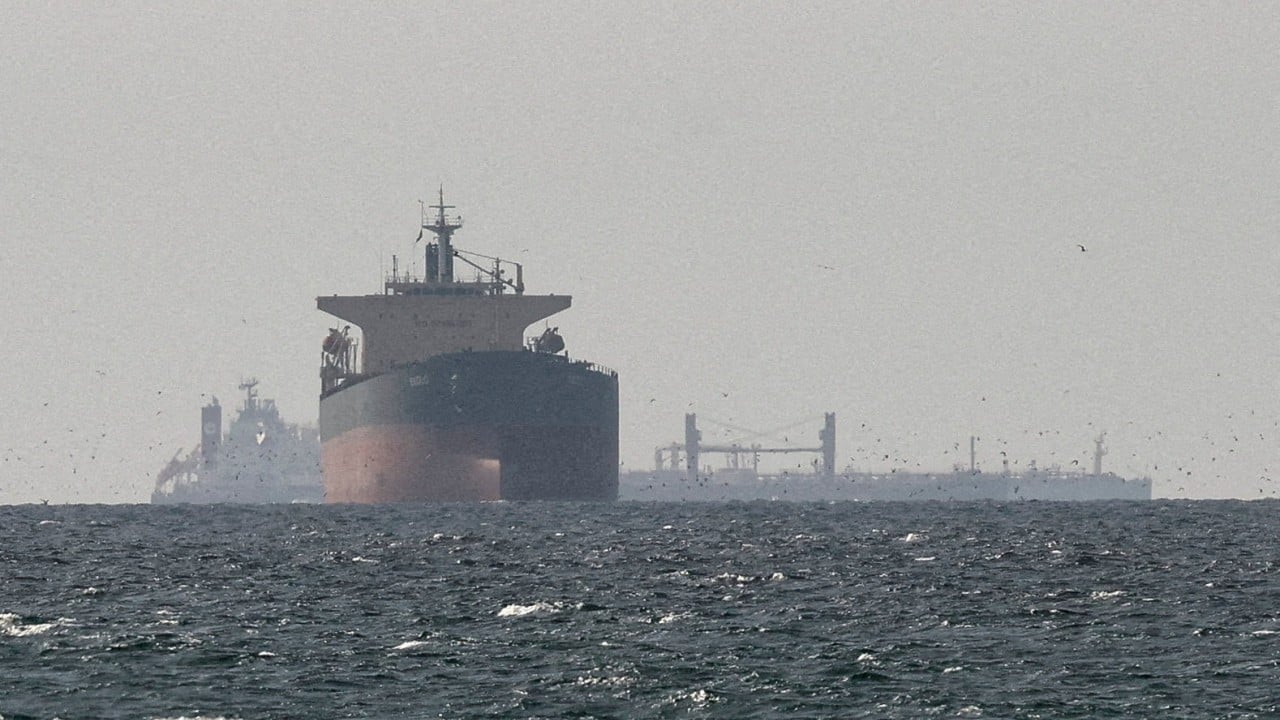
The Strait of Hormuz is open again, but don't expect your flight tickets to get cheaper anytime soon. Everyone watches the tankers move and thinks the crisis is over. It isn't. Global energy markets don't just "reset" because a waterway clears up. If you're waiting for jet fuel prices to nose-dive back to pre-disruption levels, you're going to be waiting a long time.
ING recently pointed out that even with the reopening of this vital artery, supply takes time to normalize. That's a polite way of saying the system is still broken. Logistics have a memory. When you choke off 20% of the world's oil supply, you don't just flip a switch and fix the global refinery schedule. Refineries in Europe and Asia have already pivoted. They've found other, more expensive ways to keep the lights on. Undoing those temporary fixes costs money.
The Logistics Hangover Is Real
Shipping isn't like a traffic jam on a highway where things move the moment the car is towed. It’s more like a massive, slow-moving wave. When the Strait of Hormuz shuts down, tankers don't just disappear. They sit. They reroute. They rack up massive daily fees. By the time the path is clear, the "queue" is a nightmare of scheduling conflicts.
Think about the crews. Think about the insurance premiums. War risk insurance doesn't just vanish because a diplomat signed a paper. Insurers are skeptical people. They'll keep those rates high until they're absolutely sure another flare-up isn't coming next week. That cost gets baked into every gallon of fuel burned by a Boeing 787 crossing the Atlantic.
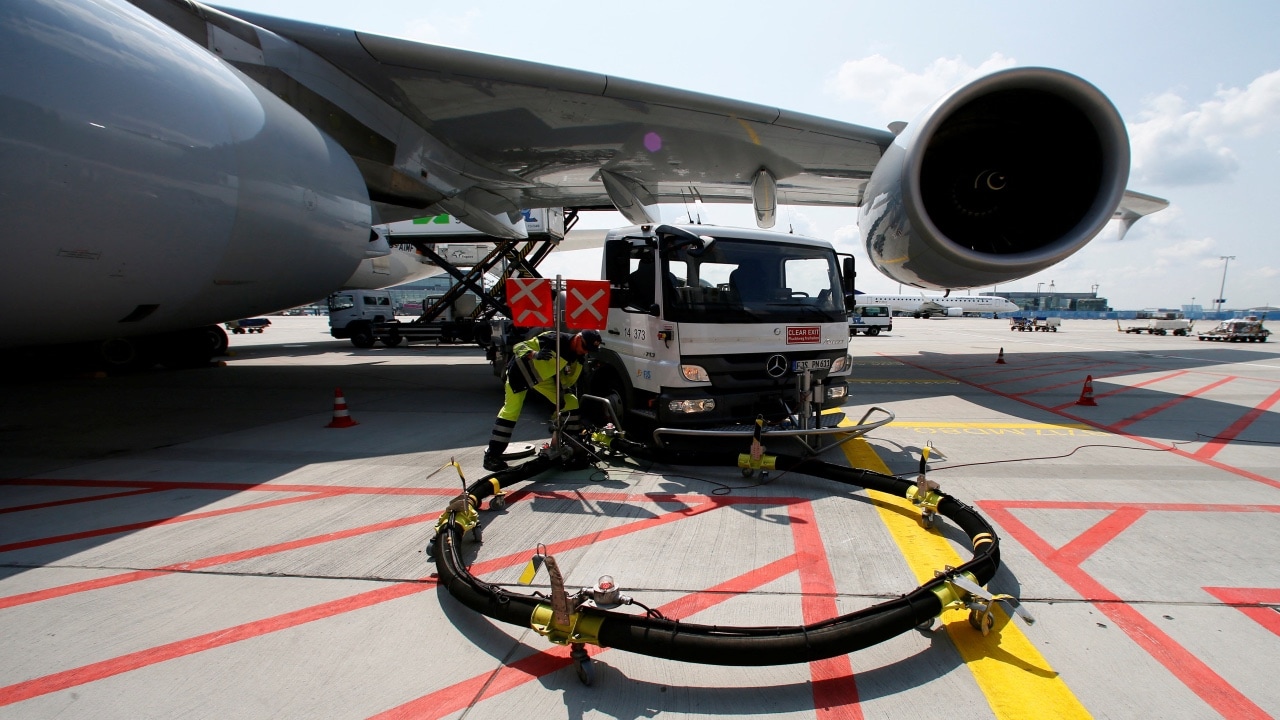
You've also got the issue of "on-water" inventory. The oil that should have been at a refinery in Singapore or Rotterdam two weeks ago is still floating in the middle of the ocean. Refineries have to dip into their emergency reserves to keep producing jet fuel. When the "new" oil finally arrives, it’s used to refill those reserves first. It doesn't immediately flood the market. This lag creates a price floor that keeps fuel expensive even when the news looks good.
Refineries Can’t Just Pivot Overnight
Refining is a picky business. You can't just throw any crude oil into a tower and get high-quality jet fuel. Different regions produce different grades of oil. When Middle Eastern supply gets wonky, refineries have to hunt for "sweet" or "sour" substitutes from places like West Africa or the US Gulf Coast.
These shifts change the chemistry of the entire operation. Once a refinery tunes its equipment for a specific type of crude, switching back takes days, sometimes weeks, of recalibration. During that time, production isn't at 100%. If you're an airline executive looking at the crack spread—the difference between the price of crude oil and the products made from it—you're seeing that jet fuel is still trading at a massive premium.
ING’s analysis suggests that the tightness in the middle distillate market—which includes both diesel and jet fuel—is particularly stubborn. Why? Because we haven't built enough new refineries lately. The ones we have are running at max capacity. There’s zero margin for error. Any hiccup in the Middle East ripples through these facilities for months.
The Hidden Impact of Air Travel Demand
While the supply side is struggling, the demand side is screaming. People aren't stopping their travel plans. Post-pandemic habits have shifted. Travel is now seen as a non-negotiable for many, not a luxury.
Airlines are caught in a pincer movement. They've got record passenger numbers but a fuel supply chain that’s held together with duct tape and prayers. When supply is tight and demand is high, prices don't fall. They stay "sticky."
Most airlines use "hedging" to protect themselves from price spikes. They buy fuel in advance at a fixed price. But when the market is this volatile, hedging becomes incredibly risky. If an airline hedges at $90 a barrel and the price drops to $70, they lose millions. If they don't hedge and the price jumps to $120, they’re bankrupt. Most are playing it safe, which means they aren't passing "savings" onto you because they don't have any savings yet.
Why Geopolitics Stays Baked Into the Price
The reopening of the Strait of Hormuz is a tactical win, but it’s a strategic wash. The tension in the region hasn't gone away. Traders know this. The "risk premium" is a permanent fixture of the market now.
In the past, a reopening would signal a return to "normal." Today, "normal" is a state of constant anxiety. Every time a drone flies or a Navy ship moves, the price of jet fuel ticks up. Even if the oil is flowing, the fear that it might stop again is enough to keep prices elevated.
I’ve seen this cycle before. Markets overreact to the bad news and underreact to the good news. It’s an asymmetrical reality. The price goes up by $5 in an hour on a rumor, but it takes three weeks of perfect peace to drop by the same amount.
The Real Cost of Rerouting
Let’s talk about the Cape of Good Hope. When the Middle East gets messy, many ships take the long way around Africa. That adds 10 to 14 days to the trip. It also burns a ton of extra fuel—ironically, the very fuel they’re trying to deliver.
Even when the Strait reopens, ships already halfway around Africa aren't going to turn around. They finish the journey. This means the global fleet is stretched thin. There are fewer tankers available to pick up new loads because so many are tied up on these "long-way" voyages. Higher freight rates always mean higher fuel prices at the pump—or the wing.
Stop Waiting For the Drop
If you’re running a business that depends on logistics, or if you’re just trying to plan a family vacation, stop waiting for a price collapse. It’s not coming. The ING report is a sobering reminder that "open" doesn't mean "efficient."
We are living in an era of fragmented supply chains. The days of cheap, easy energy moving through frictionless borders are over for now. You have to account for the "friction" in your budget.
Airlines will continue to add "fuel surcharges" to tickets. Shipping companies will continue to keep their "emergency" fees in place. They’ll point to the volatility as justification, and honestly, they aren't entirely wrong. The underlying costs are legitimately higher.
What This Means For Your Wallet
Expect "sticky" inflation in the travel sector. Even if crude oil prices dip, the specific cost of refining that oil into jet fuel will remain high.
Watch the crack spreads, not just the Brent Crude price you see on the news. If the gap between crude and jet fuel stays wide, your flight to London or Tokyo will stay expensive.
Businesses should look at long-term contracts now rather than playing the spot market. If you think prices are high today, imagine what happens during the next inevitable flare-up.
The Strait of Hormuz is just one piece of a very broken puzzle. Reopening it is great news, but it's not a cure-all. The global energy system is bruised, and bruises take time to heal. Don't let the headlines fool you into thinking the bill is going down. It’s staying right where it is. Plan accordingly.