The Gulf Cooperation Council (GCC) is currently attempting to weld its six member states into a single economic engine through a series of infrastructure projects that are as much about survival as they are about growth. While the surface-level narrative focuses on the convenience of a high-speed rail or a shared power grid, the underlying reality is a desperate, multi-billion-dollar race to decoupling from oil dependence. These projects—spanning transport, water, and electricity—represent a fundamental shift in how power is brokered in the Middle East. If successful, they will create a unified bloc capable of rivaling the European Union’s internal market. If they fail, they will become the most expensive monuments to regional rivalry ever built.
The GCC Railway and the End of Border Friction
For decades, the idea of a rail network connecting Kuwait City to Muscat was a punchline for regional skeptics. Today, it is a geopolitical necessity. The GCC Railway is not just about moving freight; it is a direct challenge to the maritime bottlenecks of the Strait of Hormuz. By creating a 2,177-kilometer terrestrial artery, the Gulf states are attempting to bypass the volatility of sea lanes that are frequently threatened by regional conflict.
The project is moving forward because the math has changed. Saudi Arabia and the UAE are no longer content with being neighbors; they want to be a logistical hub. The recent establishment of the GCC Railways Authority serves as the first real regulatory hammer to force technical standardization across borders. We are seeing a shift from sovereign stubbornness to technical synchronization. This means matching everything from signal frequencies to track gauges, a task that has historically derailed similar ambitions in Africa and South East Asia.
The "why" is simple: cost per ton. Moving goods by truck through the King Fahd Causeway or the various desert checkpoints is slow, carbon-intensive, and prone to bureaucratic delays. A unified rail system cuts transit times by 50% or more. However, the "how" remains the sticking point. Financing models vary wildly between the liquid wealth of Abu Dhabi and the more stretched balance sheets of Bahrain or Oman. The success of this project hinges on whether the wealthier states are willing to subsidize the tracks of their smaller neighbors to ensure the circuit remains unbroken.
The Integrated Power Grid as a Security Blanket
Power outages in the Gulf are not just an inconvenience; they are a threat to the stability of the state. In a region where air conditioning is a requirement for biological survival for half the year, the GCC Interconnection Authority (GCCIA) has quietly become the most successful arm of regional integration. The grid allows member states to trade electricity, sharing the burden of peak summer loads and providing an emergency reserve that has already prevented hundreds of blackouts.
This is a market-making endeavor. The GCCIA is transitioning from a safety net to a trading platform. By linking the grids, the region can optimize the use of its massive new solar parks. Saudi Arabia’s solar energy can power Kuwaiti homes at noon, while Qatari gas-fired plants pick up the slack across the border at night.
The overlooked factor here is the recent move to link this grid to Iraq. This isn't just a utility deal; it’s a diplomatic maneuver. By providing Baghdad with a stable source of electricity from the Gulf, the GCC is effectively pulling Iraq away from the Iranian sphere of influence. Electricity is the new currency of diplomacy. It is a hard asset that creates a physical dependency, making it much harder for states to walk away from the negotiating table when their lights are powered by their neighbors.
The Thirst for Security and the Shared Water Future
Water is the ultimate limit on Gulf ambition. Every major city in the GCC exists on life support provided by desalination. Historically, these plants have been national secrets, guarded as critical infrastructure. But the reality of climate change and the risk of a single maritime disaster—like an oil spill—disabling a country’s entire water supply has forced a change in strategy.
There is now a push for a GCC Water Grid. The concept involves massive pipelines connecting desalination plants across different coastlines (the Red Sea and the Arabian Gulf). If a "red tide" or a chemical leak hits the eastern coast of Saudi Arabia, water could, in theory, be pumped from the western coast or from Oman.
This is where the engineering meets the ego. A shared water grid requires a level of trust that has not always existed. It requires sharing data on consumption, reserves, and plant efficiency. It also exposes the staggering cost of water production. Currently, the Gulf spends billions on subsidies to keep water cheap for its citizens. A shared grid will eventually force a conversation about "real" pricing and the sustainability of desert mega-cities. You cannot build a "line" in the desert or a "city of the future" without a guaranteed, cross-border flow of water that is immune to local equipment failure.
The Digital Backbone and the Race for Data Sovereignty
While railways and pipes are visible, the most aggressive integration is happening underground through fiber optics. The Gulf is positioning itself as the "data bridge" between Europe and Asia. For years, most global data traffic traveled through Egypt, creating a single point of failure. Now, projects like the Trans-Arabian Corridor are creating land-based fiber routes that run through Saudi Arabia and Jordan.
This is a play for data sovereignty. By controlling the cables, the GCC states gain leverage over global tech giants. They are also building massive data centers to ensure that their own citizens' data stays within the region. This is a move toward a "Digital GCC," where regulations on artificial intelligence, cloud storage, and fintech are harmonized.
The friction here is between the UAE and Saudi Arabia, both of whom want to be the primary tech hub. This competition is healthy for innovation but creates a messy "landscape" of competing incentives for multinational corporations. The winner won't be the country with the fastest internet, but the one with the most predictable legal framework for data.
The Strategic Petroleum Pipeline Ambition
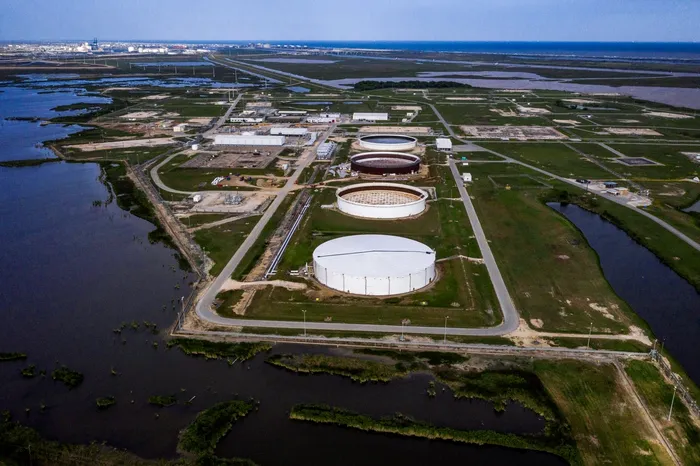
The most sensitive and high-stakes project remains the dream of a comprehensive oil pipeline network that exits outside the Strait of Hormuz. The Abu Dhabi Crude Oil Pipeline (ADCOP) already does this, terminating at Fujairah on the Indian Ocean. But for the GCC to be truly secure, this needs to be a regional network.
Imagine a system where Saudi crude can be diverted to Omani or Emirati ports in a matter of hours during a crisis. This would effectively neutralize the threat of a naval blockade. The obstacle isn't the engineering; it's the toll. Each state wants to control the flow and the fees. Furthermore, a shared pipeline makes each country’s economic health dependent on the physical security of its neighbor's territory. In a region where borders have been disputed for a century, that is a hard sell.
The Hidden Cost of Technical Unity
The primary reason these projects often stall is not a lack of money, but a lack of a unified legal system. To have a railway that works, you need a unified customs code. To have a power grid that trades, you need a unified energy market. To have a water grid, you need shared environmental standards.
The GCC is currently attempting to build the physical infrastructure of a superpower while maintaining the political autonomy of six individual monarchies. This tension is where projects go to die. We see it in the delays of the VAT implementation and the various "visions" that often overlap and compete for the same foreign investment.
For an investor or an analyst, the metric for success is not the ribbon-cutting ceremony. It is the signing of the technical annexes. It is the moment a train can cross from Al Batha to Sila without the locomotive driver having to change or the paperwork being checked by two different systems.
The Logistics of the New Silk Road
The "Middle Corridor" and the "India-Middle East-Europe Economic Corridor" (IMEC) are the frameworks that these five projects fit into. The Gulf is no longer just an oil station; it is trying to become the world’s most efficient transit zone. This requires more than just building the tracks; it requires the creation of "dry ports" and special economic zones that are linked by these new arteries.
The risk is that these projects are being built for a world that is becoming more protectionist. If global trade slows down, the massive investments in rail and ports might not see a return for decades. However, the Gulf states are betting that they can manufacture their own demand by becoming a secondary processing hub—taking raw materials from Africa and Asia, processing them with cheap local energy, and shipping them to Europe.
The Shift from Oil to Electrons and Kilograms
The transition from an oil-based economy to a logistics and service-based one is the most significant event in the Middle East since the discovery of the first well in Dammam. These five strategic projects are the physical manifestation of that transition. They represent a move away from "rentier" states that simply collect checks, toward "active" economies that participate in the global supply chain.
The success of the GCC rail, the power grid, the water network, the digital corridors, and the pipelines will determine if the region can survive a post-oil world. It is a gamble of unprecedented scale. The technical challenges are immense, but the political challenges are greater. For the first time, the survival of the House of Saud, the Al Nahyans, and their neighbors depends on their ability to act as a single unit.
The infrastructure is being laid. The concrete is being poured. The only remaining question is whether the political will can travel as fast as the trains they are building.
Watch the "Empty Quarter" border crossings. When the freight trains start moving without stopping, the old Middle East is officially dead, and a new global titan has arrived.