If you think a blow-up in the Middle East only matters when you’re filling up your SUV, you’re missing the bigger picture. Most news cycles obsess over Brent crude prices and the Strait of Hormuz. While oil is a massive piece of the puzzle, the real chaos happens in the cargo holds of container ships and the belly of long-haul aircraft. When Iran and its proxies trade fire, the ripples don't just hit energy markets. They tear through the fragile webbing of global ocean freight and air cargo supply chains in ways that make your Amazon delivery a nightmare.
We’re talking about a fundamental shift in how goods move between Asia and Europe. It’s not just a theory. We’ve seen the prologue already. When the Red Sea becomes a "no-go" zone, the math of global trade breaks.
The Red Sea Trap and the Death of Predictability
The Suez Canal isn't just a ditch in the desert. It’s the primary artery for roughly 12% of global trade. When tensions with Iran escalate, the Bab el-Mandeb Strait—the narrow gateway to the Red Sea—becomes a shooting gallery. Houthi rebels, backed by Tehran, have already proven they can pivot the entire shipping industry with a few drones and missiles.
What happens next? Shippers panic. They have to.
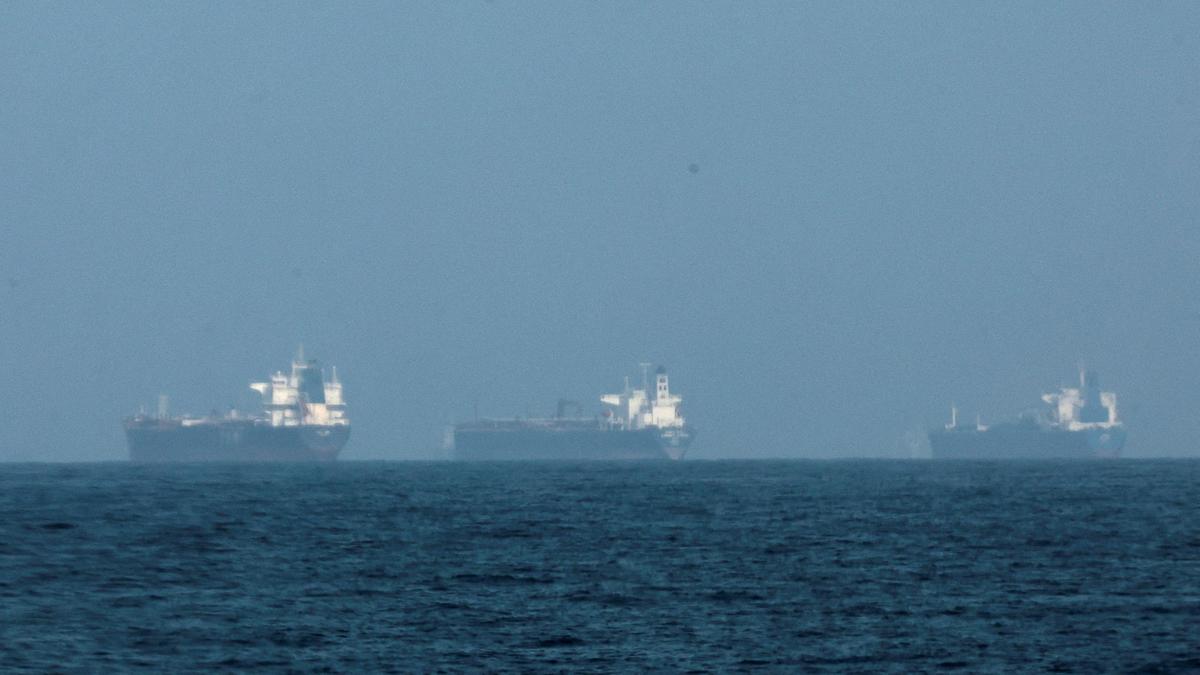
Maersk, MSC, and Hapag-Lloyd don't take chances with billion-dollar vessels and crews. They divert. Instead of the Suez shortcut, ships trek around the Cape of Good Hope at the southern tip of Africa. This isn't a small detour. It adds about 3,500 nautical miles to the trip. It tacks on 10 to 14 days of travel time.
That delay is a killer for "just-in-time" manufacturing. If you're a car manufacturer in Germany waiting on components from Vietnam, your assembly line just stopped. You're not just paying more for shipping; you're losing money every second that line stays quiet. This creates a massive "vessel crunch." Because ships are at sea longer, there are fewer of them available to pick up the next load. Capacity vanishes. Prices skyrocket. We saw spot rates for 40-foot containers jump 200% or 300% in past flare-ups.
Air Cargo is Not a Safety Valve
People usually think air freight is the backup plan. "If the ship is late, just fly it in," they say. It’s a nice thought until you realize that air cargo supply chains are just as vulnerable to Iranian geopolitical maneuvers.
When airspace over Iran or Iraq becomes a combat zone, pilots can’t just "fly around" easily. Rerouting flight paths over the Middle East adds hours to flight times. Longer flights mean more fuel. More fuel means less weight available for actual cargo. It’s a brutal cycle.
Furthermore, a significant portion of the world's air freight doesn't travel on dedicated cargo planes. It travels in the "belly" of passenger jets. If a regional war breaks out, tourism and business travel to the Middle East evaporate. Airlines cancel flights. When the passenger flights stop, the cargo capacity they provided disappears instantly. Suddenly, you're competing with every other desperate logistics manager for space on a limited number of freighters. The price per kilogram starts looking like a mortgage payment.
Beyond Oil The Hidden Costs of Conflict
We need to talk about the things no one mentions at the gas station. Insurance and "War Risk" premiums.
Underwriters aren't in the business of losing money. The moment a missile is fired near a shipping lane, insurance premiums for vessels in that region go through the roof. Sometimes they increase tenfold overnight. These costs don't get absorbed by the shipping lines. They get passed directly to the consumer.
Then there's the equipment imbalance. Global trade relies on containers being in the right place at the right time. When ships are diverted around Africa, containers get stuck on the water for weeks longer than planned. This leads to shortages in Asian export hubs. You might have the goods ready to go in a factory in Ningbo, but if there’s no empty steel box to put them in, they’re going nowhere.
It’s a domino effect.
- Ship stays at sea longer.
- Container doesn't return to port.
- Empty container stocks dwindle.
- Export prices rise because of scarcity.
Why the 2026 Logistics Environment is Different
In previous decades, the world had more "slack" in the system. Not anymore. Post-pandemic supply chains are leaner and more fragile. We’ve traded resilience for efficiency.
Iran knows this. Their strategy isn't just about closing the Strait of Hormuz to stop tankers; it's about making the entire region "un-insurable" and "un-flyable." They don't have to sink every ship. They just have to make it too expensive or too risky for the West to maintain status quo operations.
If you're managing a supply chain today, you can't rely on the old maps. You need to be looking at sea-air hubs in places like Dubai or Salalah as potential bottlenecks rather than solutions. If those hubs are within reach of regional escalations, your "Plan B" is already compromised.
What You Should Do Right Now
Stop waiting for the news to tell you things are bad. By then, the capacity is gone.
Audit your Tier 2 and Tier 3 suppliers. Do you know where their sub-components come from? If they’re relying on transit through the Red Sea or Middle Eastern air corridors, you’re at risk.
Diversify your lanes. If you’ve been 100% reliant on the Suez route, start looking at trans-Pacific options, even if they seem more expensive on paper right now. The premium you pay for a stable route is basically an insurance policy against a total shutdown.
Lastly, pad your lead times. The "two-week window" is dead. In a world where Iran can disrupt global ocean freight and air cargo supply chains with a single geopolitical move, you need to build in a four-week buffer. It’s better to have inventory sitting in a warehouse than a customer sitting with an empty shelf.
The reality is simple. Geography is destiny in logistics. As long as a major portion of the world's trade has to pass through Iran's backyard, your business is a hostage to their foreign policy. Plan accordingly. Don't get caught staring at an empty loading dock while everyone else argues about the price of a gallon of gas.