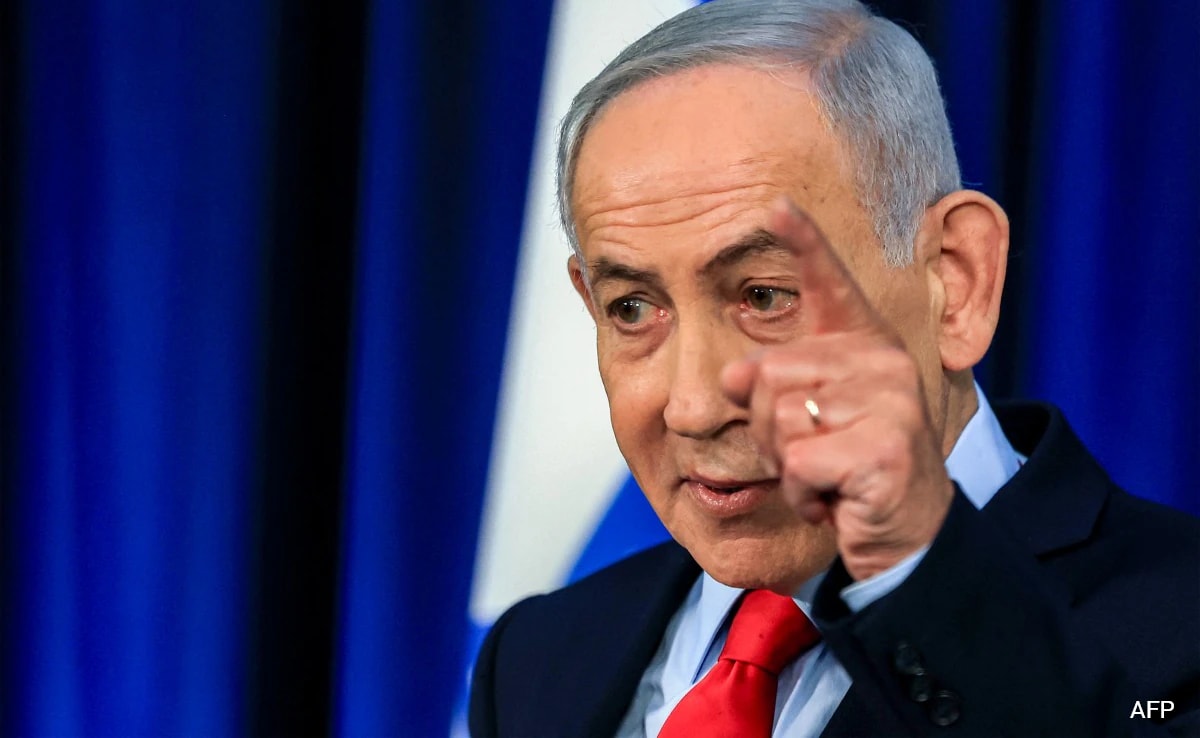
Benjamin Netanyahu has signaled a strategic pause in Israeli operations targeting Iranian gas infrastructure. This shift marks a calculated cooling of the shadow war that has defined Middle Eastern energy security for the better part of a decade. While the headlines suggest a sudden outbreak of diplomatic restraint, the reality is far more transactional. Israel is not stepping back out of a newfound sense of regional harmony. Instead, the Israeli cabinet is responding to a complex web of global energy prices, American pressure, and the vulnerability of its own offshore assets.
The decision to spare Iranian gas fields—specifically those in the Persian Gulf—is a recognition that energy infrastructure has become the ultimate "glass house" of modern warfare. If Israel destroys Iranian extraction capacity, Tehran has already demonstrated the intent and the hardware to retaliate against Israel’s Tamar and Leviathan platforms. This isn't just about avoiding a regional war. It is about protecting the multi-billion dollar flow of gas that now powers the Israeli economy and fuels its burgeoning export deals with Egypt and Jordan.
The Economics of Restraint
Warfare usually prioritizes the destruction of the enemy's ability to fund itself. For Iran, energy exports remain the primary artery of the national budget despite decades of sanctions. On paper, these fields should be the first targets on any Israeli military map. However, the global energy market is currently balanced on a knife-edge. A significant disruption to Iranian output would trigger a spike in global Brent crude and natural gas futures, a scenario that the current administration in Washington is desperate to avoid.
The White House has made it clear that any escalation leading to a global energy shock is a non-starter. For Netanyahu, the calculation is simple. He can trade a pause in strikes on Iranian energy for continued American support for operations elsewhere. This is a geopolitical barter system. Israel gains a freer hand in its immediate "ring of fire" in exchange for leaving the Iranian gas sector intact.
The Leviathan Vulnerability
Israel’s own energy independence is a relatively new phenomenon. The discovery of massive offshore gas deposits transformed the nation from an energy importer into a regional powerhouse. But this wealth is physically concentrated in a few highly vulnerable points in the Mediterranean. A single well-placed missile from a drone or a fast-attack craft could cripple the Israeli power grid and end its export dreams overnight.
Tehran knows this. By signaling that their own gas fields are off-limits, the Israelis are essentially proposing a de facto "energy sanctuary" rule. You don't hit our rigs, and we won't hit yours. This is a fragile equilibrium maintained not by treaties, but by the mutual certainty of catastrophic economic loss.
The Technological Shadow War
Just because the physical infrastructure is being spared does not mean the conflict has ended. The focus has simply shifted from kinetic strikes to the digital and maritime domains. We are seeing an increase in cyber-interdiction efforts designed to slow down Iranian production without actually blowing anything up.
Digital Sabotage has become the preferred tool for disrupting the flow of Iranian gas. It allows for a level of plausible deniability that a missile strike lacks. By targeting the Industrial Control Systems (ICS) that manage pressure and flow at extraction sites, Israel can cause months of delays without a single explosion. This approach minimizes the risk of a direct Iranian military response while still achieving the strategic goal of degrading Tehran’s economic power.
Maritime Interdiction and Shadow Fleets
Beyond the rigs themselves, the battle is being fought over the tankers. Iran relies on a "shadow fleet" of aging vessels to move its product to international markets, often through complex ship-to-ship transfers that hide the origin of the fuel. Israeli naval intelligence has become adept at tracking these movements.
Rather than sinking these ships, the strategy has evolved into "legal and logistical harassment." This includes pressuring insurance companies to revoke coverage, flagging vessels to international maritime authorities, and occasionally using special forces to disable propulsion systems in a way that leaves the cargo intact but the ship stranded. It is a war of friction rather than a war of destruction.
Regional Power Dynamics
The shift in Israeli policy also reflects the changing priorities of its new regional partners. Countries like the UAE and Saudi Arabia are heavily invested in regional stability to protect their own massive energy transition projects. They have no appetite for an all-out energy war that would drive up insurance premiums for every vessel in the Gulf.
Israel is playing a long game here. By showing it can be a "responsible" regional actor that respects global energy stability, it strengthens its ties with the Abraham Accords signatories. This legitimacy is worth more in the long run than a few charred Iranian gas pipes.
The Role of Natural Gas in Modern Diplomacy
Natural gas is no longer just a commodity; it is a diplomatic lever. For Israel, gas is the bridge that connects it to the Arab world. The pipelines running to Egypt and Jordan are physical manifestations of peace treaties that were previously only on paper. If a regional conflict destroys the source of that gas, those diplomatic bridges could collapse along with the rigs.
Iran is attempting a similar strategy by courting Asian markets. The competition is no longer just about who has more resources, but who can be a more reliable supplier in a volatile world. By refraining from attacking Iranian fields, Israel is gambling that it can win the "reliability war" through its superior technology and Western backing, rather than through sheer force.
The Intelligence Gap
One overlooked factor in this decision is the quality of intelligence required to strike these targets effectively. Iranian gas fields are sprawling, multi-point installations. A strike that isn't perfectly executed might only cause temporary damage while providing Iran with a massive propaganda victory.
The Israeli defense establishment is famously risk-averse when it comes to "high-cost, low-reward" operations. They have determined that the intelligence assets required to monitor and target these fields are better spent elsewhere—likely on tracking the movement of advanced weaponry and personnel within the IRGC.
Internal Israeli Pressure
Netanyahu also faces domestic pressure to keep the lights on and the prices down. The Israeli public has little patience for energy rationing or skyrocketing utility bills, both of which would be inevitable if the Mediterranean rigs were targeted in retaliation for a strike on Iran.
The Israeli "Street" wants security, but it also wants a functioning economy. This dual demand forces the government into a pragmatic corner. Radical rhetoric might play well at political rallies, but the actual policy must be grounded in the cold reality of the national balance sheet.
Strategic Ambiguity and the Future
While the current stance is one of "stopping attacks," it is important to remember the concept of strategic ambiguity. Israel rarely makes permanent promises in the realm of security. This pause could end the moment the strategic calculus changes—perhaps if Iran makes a significant breakthrough in its nuclear program or if it crosses a "red line" with its proxies.
The cessation of attacks should be viewed as a tactical reset. Israel is cleaning its slate, reassessing its targets, and waiting to see how Tehran responds to this relative calm. It is a high-stakes game of chicken where the first side to blink loses billions of dollars in infrastructure.
The "peace" currently observed in the Iranian gas fields is not a sign of cooling tensions. It is a sign that both sides have finally realized that in a war against energy, everyone eventually ends up in the dark.
Map the proximity of Iranian naval assets to the Leviathan field's primary export routes to see where the next real friction point will emerge.