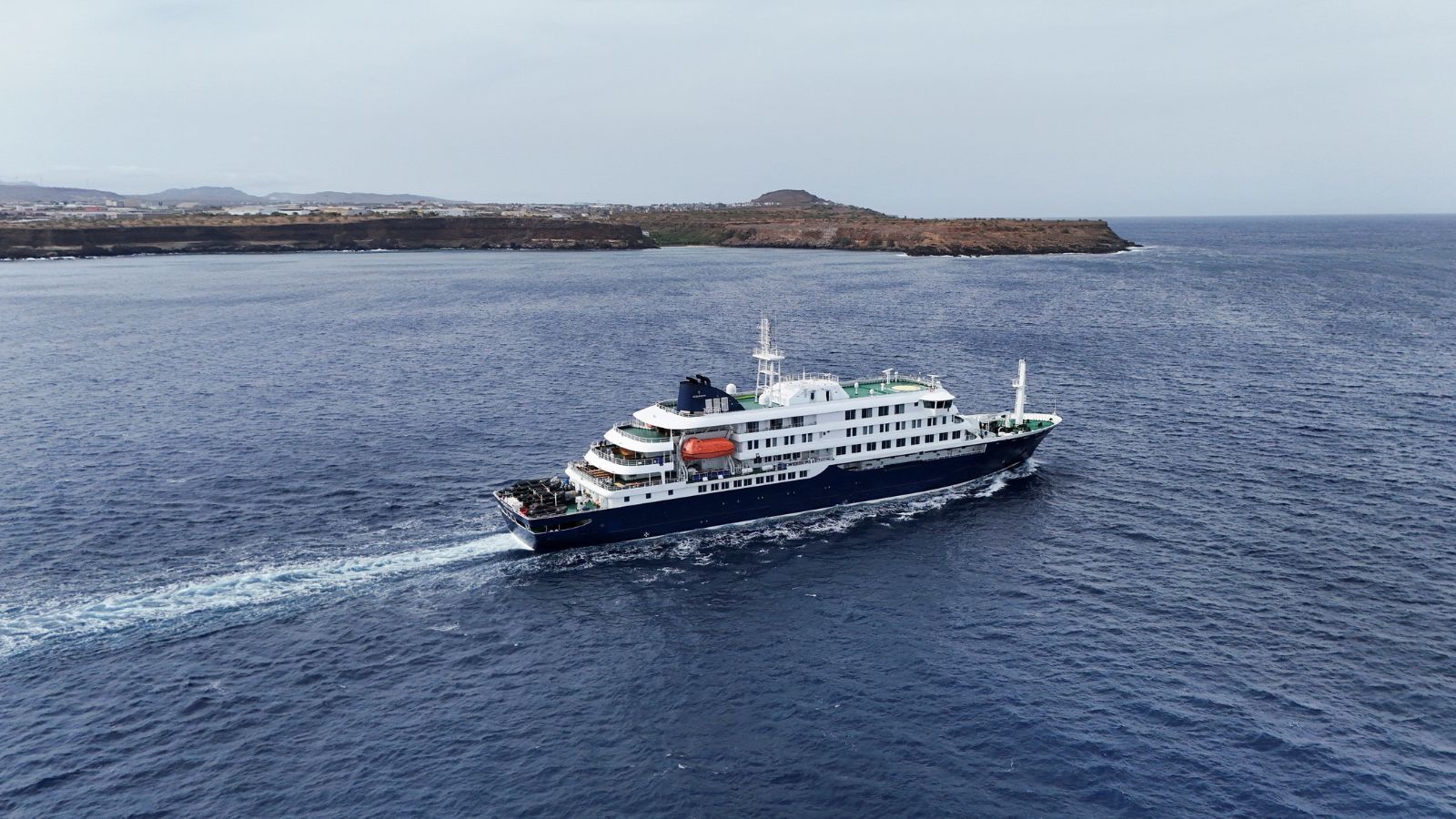
While the world watches the MV Hondius steam toward the Canary Islands, the official narrative is one of "controlled repatriation." But behind the diplomatic press releases lies a frantic, multi-continent race to contain a pathogen far more ruthless than the seasonal flu. Six European nations—Germany, France, Belgium, Ireland, the Netherlands, and Spain—are now scrambling to charter specialized extraction flights for 147 passengers and crew currently trapped in a floating quarantine. They aren't just bringing citizens home; they are trying to seal a biological breach before the Andes virus finds a permanent foothold in the Northern Hemisphere.
The current strategy involves a high-stakes "bubble" transfer in Tenerife. Spanish authorities have cordoned off an entire section of the Granadilla de Abona port, where passengers will be ferried from the ship on small vessels and moved directly to guarded buses. From there, they will be escorted to the tarmac for immediate evacuation. The urgency is fueled by a 38% case fatality rate and the disturbing confirmation that this specific strain, the Andes virus, is one of the few hantaviruses capable of jumping from human to human.
The Ghost on the Passenger List
The tragedy didn't start with a headline; it started with a single man feeling unwell on April 6, shortly after the vessel left Ushuaia, Argentina. By April 11, he was dead. In the maritime world, a single death can sometimes be attributed to natural causes, especially on long-haul expedition cruises. However, when his close contact—a woman who disembarked at the remote outpost of Saint Helena—collapsed and died in a South African emergency room weeks later, the true scale of the threat became undeniable.
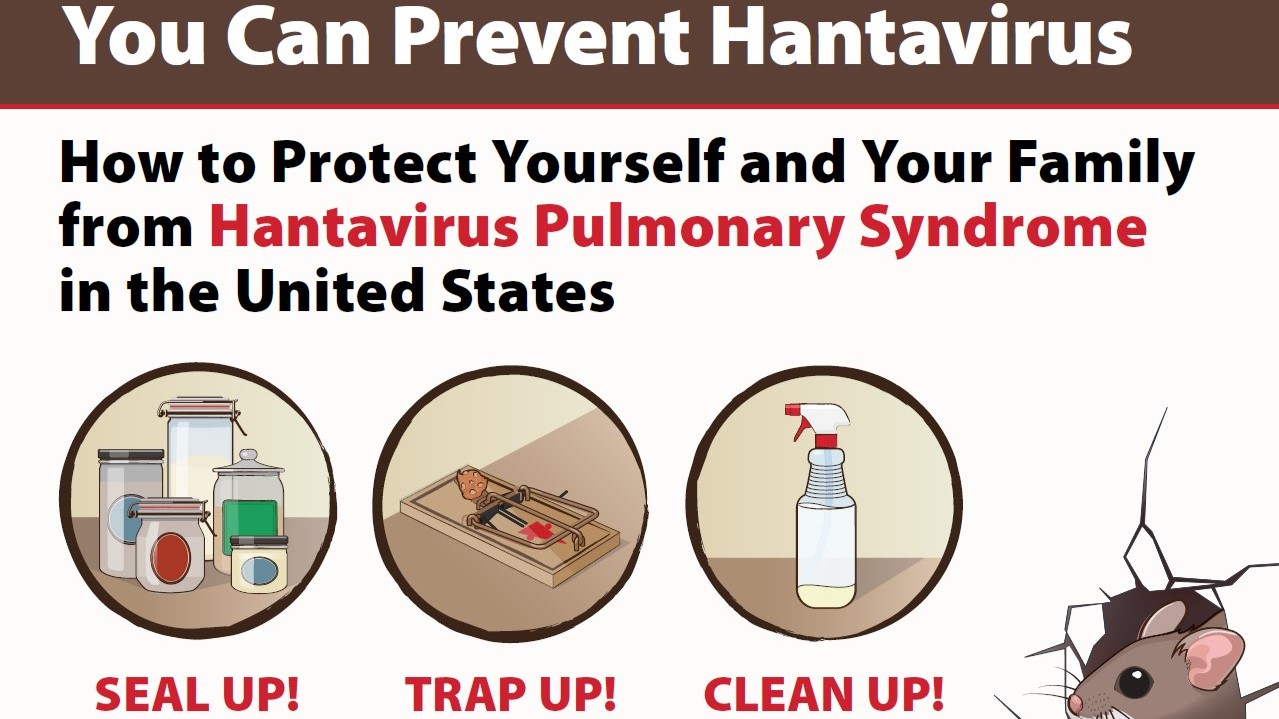
The investigation now centers on how the virus bypassed standard protocols. Hantavirus is typically a disease of the wilderness, contracted by inhaling aerosolized dust from rodent droppings. The working hypothesis is that the index case was exposed during an excursion in rural Argentina or Chile. But the subsequent infections among the ship’s doctor and guides—people who had no known contact with South American rodents—point to a much more concerning mechanism: cabin-to-cabin transmission.
A Systemic Failure of Contact Tracing
The most damning aspect of the MV Hondius crisis isn't the virus itself, but the two-week window where the ship continued its itinerary as a blind vector. On April 24, nearly a dozen passengers disembarked and disappeared into the global transit web. One passenger, who later tested positive in Zurich, traveled from Saint Helena through an unknown number of international hubs before being hospitalized.
The Dutch public health service is currently hunting for passengers of a KLM flight from Johannesburg to Amsterdam. They are looking for anyone who sat near a flight attendant who fell ill after caring for an infected passenger. While that attendant eventually tested negative, the fact that the industry was one test result away from a mid-air disaster highlights the fragility of current maritime health safeguards.
The Limits of Shipboard Medicine
The MV Hondius is an ice-strengthened expedition vessel, designed for the rigors of the South Atlantic, not for managing a viral hemorrhagic outbreak. When the ship’s own doctor fell ill on April 30, the onboard medical infrastructure effectively collapsed. Modern cruise ships are floating cities, but their infirmaries are built for stabilization, not long-term biocontainment.
- Incubation Windows: The virus can hide in a host for up to six weeks, making "no symptoms" a dangerous metric for safety.
- Respiratory Distress: Andes virus causes rapid fluid accumulation in the lungs. On a ship, the only solution is evacuation; there is no capacity for the mechanical ventilation these patients require.
- Logistical Deadlocks: The Canary Islands regional government initially opposed the docking, fearing a public health backlash. This political friction delayed the arrival of Dutch infectious disease experts who only recently boarded the vessel.
The Port of Last Resort
Tenerife was chosen because it offers the specific logistical infrastructure required for a "sterile" extraction. The plan is a masterpiece of paranoia: the ship will not dock at a traditional pier. Instead, it will anchor off the coast. This prevents any physical bridge between the vessel and the local workforce. Dockworkers in Tenerife have already staged protests, reflecting a visceral fear that hasn't been seen since the early days of 2020.
The United States has joined the European effort, sending a plane to retrieve 17 Americans for transport to a specialized quarantine facility in Nebraska. These passengers aren't going back to their living rooms; they are going back to observation cells.
The Illusion of Safety in Expedition Travel
This outbreak exposes a growing rift in the travel industry. Expedition cruising has exploded in popularity, taking wealthy travelers to the most remote corners of the planet—places where the local fauna carries pathogens the human immune system hasn't seen in generations. We have built ships that can withstand the crushing force of Antarctic ice, but we haven't built a protocol to manage the microscopic hitchhikers that come back on a passenger’s hiking boots.
The "minimal risk" label currently applied by the WHO is a calculated move to prevent panic, but for the families of the three deceased, it is cold comfort. The reality is that the MV Hondius represents a breakdown in the unspoken contract between cruise lines and passengers. The industry sells the dream of the "untouched wilderness" without acknowledging that the wilderness can touch you back.
The evacuation must be completed by Monday. After that, weather patterns in the Atlantic are predicted to shift, making the small-boat transfers impossible. If the window closes, the 147 people on board will be left to ride out the incubation period on the open sea, waiting to see who among them is next to develop a fever. The planes are on the tarmac, and the engines are running. This is no longer a cruise; it is an extraction from a biological hot zone.